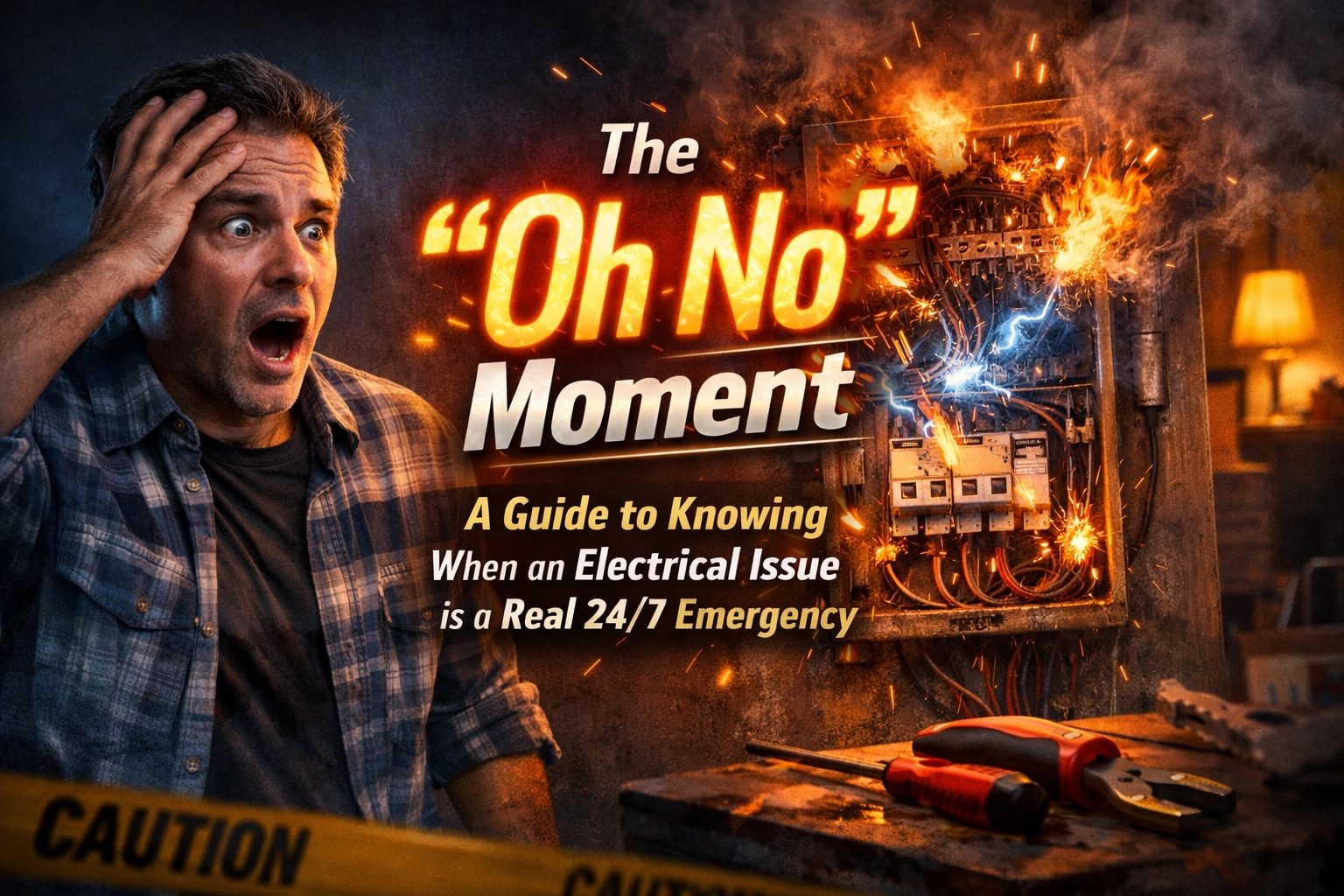
Is It a Real Electrical Emergency? Charleston Guide
1. Identify the smell of burning plastic or ozone.
The presence of a metallic or acrid odor near outlets or the electrical panel indicates a serious failure. This scent often signifies that wire insulation is melting due to excessive heat or arcing. If you detect this, you must disconnect the power at the main breaker and contact a 24 hour electrician charleston sc immediately. Overheating wires are a leading cause of residential fires in South Carolina. Do not wait for regular business hours to address this symptom.
2. Recognize the danger of visible sparks or arcing.
A small spark when plugging in a device can be normal, but consistent sparking from an outlet or the electrical panel is not. Bright blue or yellow flashes indicate electricity is jumping between connections. This creates an immediate fire risk and suggests a loose wire or a failing component. You can learn more about hardware issues at our troubleshooting and repair page. Arcing generates intense heat that can ignite building materials behind your walls.

3. Listen for buzzing or humming sounds.
Electricity should be silent. If you hear a distinct buzzing, clicking, or humming sound coming from a switch, outlet, or your breaker box, it indicates a loose connection. Loose wires create resistance, which leads to heat and potential fire. This is a common sign of a failing circuit breaker that is struggling to trip. A professional emergency electrician charleston should evaluate the integrity of your panel to prevent a total system failure.
4. Assess the risk of physical shocks from fixtures.
If you feel a tingle or a sharp shock when touching a light switch, appliance, or faucet, your electrical system has a grounding problem. This means electricity is seeking a path through you rather than through the designated ground wire. This is a life-threatening emergency, especially in kitchens or bathrooms where water is present. Faulty grounding can lead to fatal electrocution and requires an immediate inspection of your home's complete rewiring status.
5. Monitor for discolored or hot outlets.
Outlets that are warm to the touch or show brown or black scorch marks indicate internal damage. This discoloration is carbon buildup caused by small, internal fires or extreme heat. Even if the outlet still provides power, the structural integrity of the plastic and the wiring behind it has been compromised. Continued use increases the likelihood of a structural fire. This situation warrants a priority call to a technician.

6. Respond to total or partial power loss.
A sudden loss of power in only one section of your home, while the rest of the neighborhood has lights, suggests a localized failure. This can be caused by a "lost phase" or a damaged neutral wire. A partial outage can cause appliances to run on incorrect voltages, leading to permanent motor damage. If your breakers are on but the power is out, the issue may exist in the service line or the main panel. Check our guide on panel upgrades to see if your system is outdated.
7. Evaluate breakers that refuse to stay reset.
A circuit breaker that trips immediately after you reset it is performing its safety function. It is detecting a "hard short" or a significant overload. Forcing the breaker to stay in the "on" position or repeatedly resetting it can cause the wires to overheat and ignite. This is a clear indicator of a fault that requires professional diagnostic tools. You may find relevant information on our residential services page regarding circuit safety.
8. Address water intrusion near electrical components.
Water is a highly effective conductor of electricity. If your home experiences a pipe burst, a heavy roof leak, or flooding that reaches outlets or the electrical panel, the entire area is a shock hazard. Do not enter standing water if it is near electrical sources. An emergency electrician charleston must ensure the system is dry and safe before power is restored. This applies to both indoor areas and outdoor lighting installations.

9. Distinguish between flickering lights and power surges.
Occasional flickering may indicate a loose bulb or a minor appliance draw. However, frequent flickering combined with dimmed lights throughout the house suggests a failing main connection or a problem with the utility service. Large power surges can destroy sensitive electronics and indicate that your surge protection has failed or is non-existent. Persistent instability in power levels is a 24/7 emergency because it points to a deteriorating main service.
10. Check for damaged service masts or downed lines.
External damage to your home's electrical infrastructure is an immediate hazard. If a storm or falling branch has pulled the service mast away from your house or if wires are sagging, do not touch them. These lines carry high voltage that can be fatal on contact. EmergenServe provides rapid response for these exterior hazards to secure the site and coordinate with utility providers. For more information on storm-ready systems, visit our new construction wiring section.
11. Understand the difference between urgent and emergency.
An emergency is any situation that poses an immediate threat to life or property. A dead outlet in a guest room is an urgent repair but usually not a 24/7 emergency. A sparking panel is always an emergency. If you are unsure, calling a professional is the safest protocol. We offer safety inspections to help you categorize the health of your system and prevent future "oh no" moments.

12. Take immediate action when an emergency is identified.
If you suspect an electrical emergency, your first step is safety. Evacuate the area if there is smoke or fire. If it is safe to do so, turn off the main power supply at the breaker box. Do not attempt to DIY a repair on a live circuit or a damaged panel. Contact a licensed 24 hour electrician charleston sc to perform a professional assessment. Quick action prevents minor faults from becoming catastrophic losses.
13. Maintain your system to prevent future emergencies.
Regular maintenance is the best way to avoid emergency calls. Many 24/7 situations are the result of long-term wear and tear that went unnoticed. Scheduled inspections can identify loose connections, outdated panels, and frayed wiring before they cause a fire or a power failure. Review our commercial services or residential options to set up a preventative maintenance plan.
14. Prioritize safety over convenience in all scenarios.
It is tempting to wait until morning to save on service fees, but electrical fires do not wait. The cost of an emergency service call is significantly lower than the cost of property restoration after a fire. If your gut tells you something is wrong: trust it. Professional electricians have the thermal imaging and diagnostic equipment to see what is happening inside your walls. For more tips on home safety, read about 4 smart upgrades for your Charleston home.
