
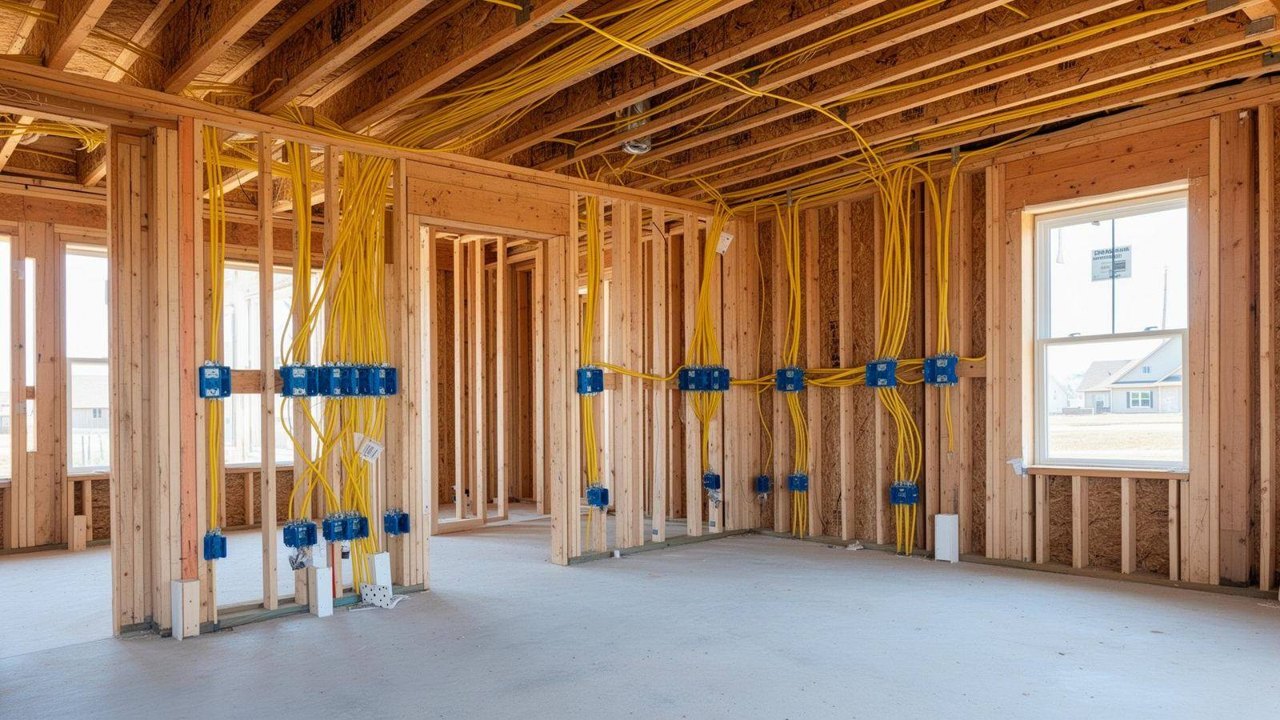
How to Choose Copper vs Aluminum Wiring for Renovations
Generated service illustration, not a photograph of a completed customer project.
Reviewed: November 1, 2026. Installation schedules, permits and prices depend on the agreed scope.
Table of Contents
- Copper vs Aluminum Wiring for Residential Renovations: What Changes
- How to Identify Aluminum Wiring in a House Before You Demo
- Aluminum Wiring Safety in Homes: What Renovation Crews Find
- Copper vs Aluminum Wire Cost: Material, Labor, and Long-Term Math
- Aluminum Wiring Repair Connectors and Approved Fixes
- When to Repair, Pigtail, or Replace During a Renovation
- Schedule a Wiring Inspection Before Your North Charleston Renovation
Copper vs Aluminum Wiring for Residential Renovations: What Changes
Copper and aluminum have different conductivity, weight, expansion and termination requirements. Properly specified aluminum feeders are not the same issue as older solid-aluminum branch circuits serving receptacles and lighting. Conductor selection depends on the design, listed equipment and applicable code—not material alone.
Copper is commonly specified for new small branch circuits, while listed aluminum conductors may suit larger feeders. Both require correct terminations and installation. Neither copper nor aluminum makes a loose, damaged or improperly connected circuit safe.
Plan your residential renovation wiring around actual loads, wall access, circuit condition and the intended equipment.
How to Identify Aluminum Wiring in a House Before You Demo
Do not remove panel covers, open outlet boxes or handle conductors to identify material. Have a qualified electrician inspect the installation. Appearance alone can be misleading: a silver-colored conductor may be tinned copper, and a panel label may describe terminal compatibility rather than the conductors throughout the home.
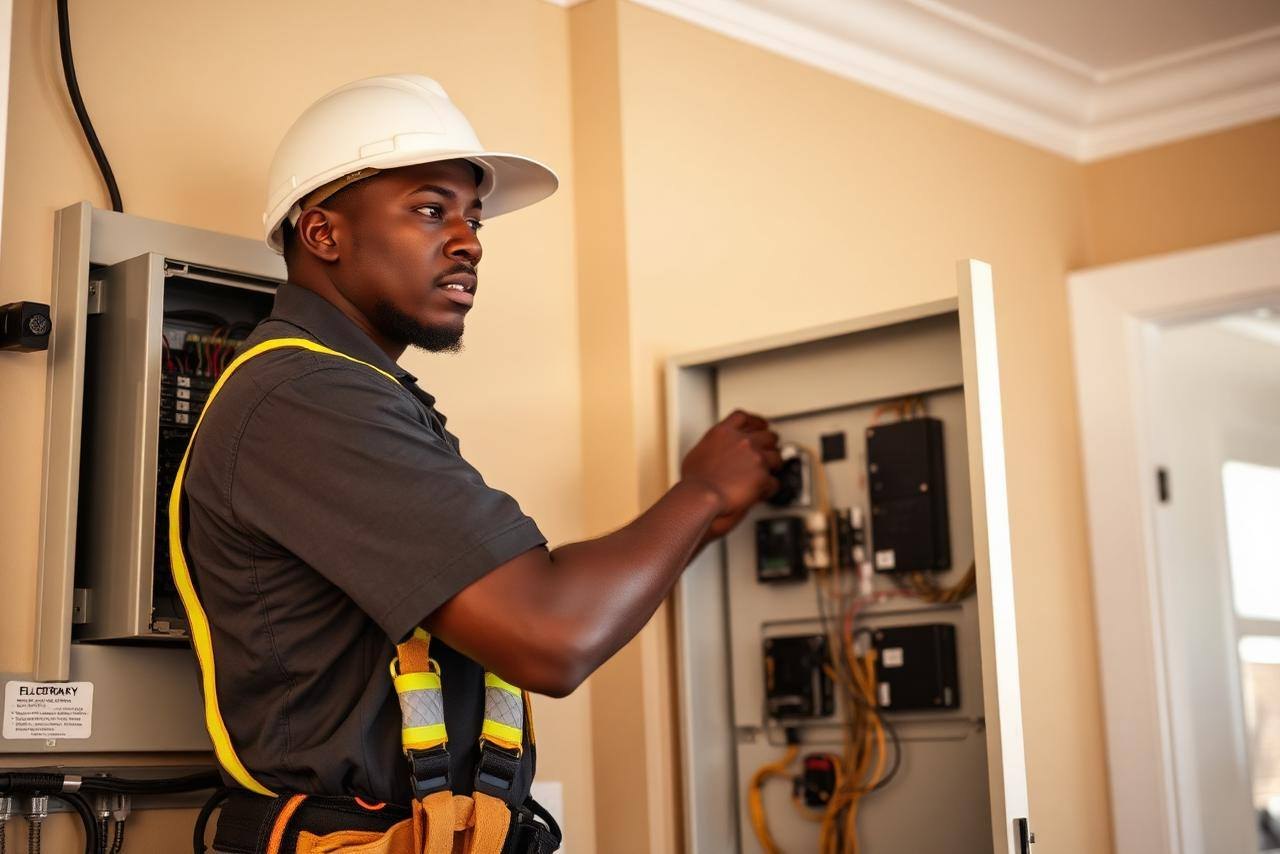
Check the Panel Label and Wire Jacket
Record readable labels and visible cable markings without opening equipment. Ask the electrician to distinguish small solid-aluminum branch wiring from properly installed larger aluminum feeders. Homes from the mid-1960s to mid-1970s merit investigation, but a build date is not proof of wiring material.
Look at Switches, Outlets, and Splices
The electrician can inspect accessible connection points and devices under appropriate isolation procedures. New cover plates or outlets do not establish that the concealed wiring was replaced. Burning odors, discoloration or persistent buzzing require prompt assessment; stop using affected devices.
Aluminum Wiring Safety in Homes: What Renovation Crews Find
Older solid-aluminum branch-circuit wiring has documented connection-related hazards. Aluminum’s physical properties, oxidation and incompatible or improperly installed terminals can contribute to overheating. Copper connections can also fail when loose or damaged.
The Consumer Product Safety Commission’s Repairing Aluminum Wiring publication distinguishes durable repair approaches from inadequate repairs. A qualified electrician should evaluate the full affected wiring system rather than simply replacing one visibly damaged outlet.
If there is smoke, fire or immediate danger, leave and call 911. For non-fire urgent electrical symptoms, contact EmergenServe’s emergency electrical service from a safe location. Arrival is confirmed for the address and current conditions, not guaranteed.
Copper vs Aluminum Wire Cost: Material, Labor, and Long-Term Math
Wiring and rewiring pricing depends on the plans, circuits, property size, existing conductors, wall and ceiling access, finish restoration and required permits. We provide a written project quote rather than a fixed per-square-foot or room price.
Conductor prices depend on size and specification. Total cost also includes compatible connectors, labor, route length, circuit design, wall access and finish restoration. Do not assume a lower conductor price produces a lower installed price or guarantees future maintenance savings.
| Comparison | Copper | Aluminum |
|---|---|---|
| Conductor sizing | Selected for the design | Often larger for equivalent duty; design controls |
| Terminations | Must match listed equipment | Must specifically suit the aluminum conductor/application |
| Existing branch wiring | Inspect condition and connections | Older solid branch wiring needs specialist evaluation |
| Quote basis | Actual specified scope | Actual specified scope |
Project estimates are free and provided in writing with the agreed scope, equipment, materials, labor, required permits and any utility coordination identified. We confirm the quote-delivery date after reviewing the project details; larger or complex projects may need a walkthrough. Diagnostic and troubleshooting visits use the disclosed service-call rates.
Aluminum Wiring Repair Connectors and Approved Fixes
Do not use generic twist-on wire nuts, push-in connectors or a device swap as a universal repair for old solid-aluminum branch wiring. A component being labeled for aluminum does not by itself establish that every repair arrangement is a durable whole-system solution.
CPSC’s publication discusses complete copper replacement, professionally installed COPALUM repairs and AlumiConn repairs made to the specified requirements. CO/ALR outlet or switch replacement alone is not a complete permanent repair of the whole branch-circuit system. The appropriate method depends on the conductor, every affected connection, compatible listings and installer qualifications.
Ask the electrician which documented method applies, how each connection will be addressed and what records will be provided. Leave metal preparation, connector selection and torque procedures to the professional.
When to Repair, Pigtail, or Replace During a Renovation
The choice follows an assessment of the affected wiring, connections, damaged insulation, planned loads and access. A single repaired terminal should not be presented as proof that all other aluminum connections are safe. Replacement may be appropriate for damaged conductors or a broader remodel; a documented complete repair may be suitable for an existing system in other circumstances.
Open walls can make wiring work easier, but they do not automatically require replacement of every circuit. Coordinate your remodel wiring scope and finish responsibilities before construction starts. For older properties, discuss historic-home electrical work without assuming age alone establishes unsafe wiring.
Schedule a Wiring Inspection Before Your North Charleston Renovation
Share the renovation plans and known symptoms before demolition. An inspection can assess accessible equipment and connections; it cannot reveal every concealed defect without appropriate access. The quote should identify inspection limits and any additional work needed to confirm conditions.
A panel rating or the age of a home alone does not determine whether an upgrade is needed. We assess equipment condition, available breaker space, the calculated electrical load, and planned additions. Where appropriate, an approved load-management system can allow EV charging without a service upgrade.
Regular service calls are $235; emergency after-hours calls are $435. Active Care Club members pay $50 and $135, respectively. Repair work is quoted separately before approval. Project estimates are free; diagnostic and troubleshooting visits are paid service calls. The diagnostic fee is credited toward an approved repair; any project-specific terms are disclosed when scheduling.
Our residential workmanship warranty lasts for the Lifetime of home ownership, for the original homeowner only, and is not transferable. Covered workmanship corrections have no labor or trip charge. Parts and equipment follow the manufacturer's warranty terms. Commercial coverage follows the project's written warranty. For claims, questions, replacement copies, or scheduling, email Warranty@EmergenServe.com.
Contact our North Charleston electricians to confirm availability. Same-day or next-day visits may be available, but no general arrival or project completion time is guaranteed.
Frequently Asked Questions
Is copper or aluminum wiring better for a home renovation?
The design, conductor size, equipment listing and condition determine the suitable choice. Copper is commonly used for small new branch circuits; listed aluminum conductors can suit larger feeders. Older solid-aluminum branch wiring is a separate issue requiring assessment and a documented appropriate repair or replacement—not a blanket claim that all aluminum is unsafe or all copper is safe.
Is aluminum wiring safe in a house?
Properly specified modern aluminum feeders and older solid-aluminum branch wiring are different situations. The latter has documented connection hazards and needs qualified evaluation. Follow CPSC guidance and the component instructions for any complete repair; conductor material alone does not establish that the whole installation is safe.
Can copper and aluminum wires be connected together?
A qualified electrician may make transitions only with the appropriate listed method and compatible components for the actual conductors. Generic twist-on or push-in connectors are not a universal permanent repair for old aluminum branch wiring. CPSC discusses COPALUM, AlumiConn and full copper replacement approaches; the method must address the affected system and be correctly installed.
Does aluminum wiring require special connectors?
Connections must use equipment listed for the exact conductor and application, following the specified preparation and torque requirements. CO/ALR devices alone do not constitute a complete permanent repair of an old aluminum branch-circuit system. Ask a qualified electrician which documented complete repair or replacement method is appropriate.
