EmergenServe, LLC BBB Business Review
    Back to Generator Installation
    24/7 Emergency Generator Repair

    Generator Repair Across the Lowcountry

    When your standby generator fails during a storm, or your Onan won't crank the morning you need it most, our licensed electricians are on call around the clock. Factory training on Generac, Kohler, Cummins, and Onan, real diagnostic tools, and stocked trucks so most repairs finish on the first visit.

    EmergenServe provides 24/7 emergency generator repair in Charleston, SC. Our licensed electricians diagnose and repair Generac, Kohler, Cummins, and Onan standby and portable generators, including automatic transfer switch failures, battery and charger problems, controller fault codes, and post-storm start failures. Call (843) 754-1671 for same-day service across the Lowcountry.

    Common Generator Problems We Fix

    • Generator won't start after a power outage or during weekly exercise
    • Automatic transfer switch fails to signal or transfer the load
    • Generator starts, runs briefly, then shuts down (overload, low oil, fuel starvation)
    • Battery keeps dying between exercises or won't hold a charge
    • Error codes on the controller (Generac Evolution, Kohler RDC2, Cummins PowerCommand, Onan)
    • Fuel leaks, oil leaks, or exhaust smell at the enclosure
    • Loud knocking, surging RPMs, or the unit runs but produces no voltage
    • Failed load bank test or utility inspection punch list

    Repair & Maintenance Services

    • Diagnostic scan of controller fault codes and event history
    • Battery, charger, and starter replacement
    • Fuel system service, natural gas regulator, propane demand regulator, injector cleaning, diesel filter and water separator
    • Oil and filter service, spark plug and air filter replacement
    • Automatic transfer switch (ATS) repair, contactor replacement, and re-programming
    • Voltage regulator, AVR, and stator winding testing
    • Coolant system repair on liquid-cooled units (Generac Protector, Kohler 30RESA and up, Cummins RS series)
    • Load bank testing to verify true output under emergency conditions
    • Onan RV and commercial generator repair (Cummins Onan QG, HGJAB, HDKAJ platforms)
    • Warranty repair coordination for Generac, Kohler, Cummins, Briggs & Stratton, and Champion

    Brands We Service

    Factory-trained on the platforms Lowcountry homes and businesses actually run. If your unit isn't listed, call us anyway, we've worked on nearly every brand sold in South Carolina in the last two decades.

    GeneracKohlerCumminsOnanBriggs & StrattonChampionHoneywellGE / Symphony

    Charleston Storm Season Reality

    Hurricane season here runs June 1 to November 30. Between salt air corrosion on ATS contactors, ethanol fuel gumming carburetors on portable units, and controller batteries baking through July heat, we see a predictable wave of generator failures the first time the grid actually goes down. The units that fail almost always skipped their annual PM.

    Book a spring inspection before storm season and we'll run a full load bank test, replace the battery if it's under 12.4V resting, change oil and filters, fog the fuel system on portables, and flash the controller with the latest firmware from Generac or Kohler. It's the difference between a generator that starts on the first crank at 2 a.m. and one that leaves you sitting in the dark.

    Generator Down? Call Now.

    Real electricians. Real dispatch. 24/7 across Charleston, Berkeley, and Dorchester counties.

    (843) 754-1671

    Why Charleston Trusts EmergenServe

    • Licensed, Bonded & Insured

      SC Commercial Contractor License #M118613. Active general liability and workers' comp coverage. COI sent to your GC, HOA, or closing attorney the same day you ask.

    • 5.0-Star Google Rated

      Google Screened and BBB Accredited with 33 real Google reviews from Charleston, Mount Pleasant, Summerville, and across the Lowcountry.

    • Upfront Flat-Rate Pricing

      Every job is priced before we lift a tool. No clock running, no surprise add-ons, no guessing what the bill will look like when we're done.

    • 100% Satisfaction Guarantee

      If something isn't right, we come back and fix it. Workmanship stands behind every breaker, outlet, fixture, and panel we install.

    EmergenServe, LLC BBB Business Review

    Equipment & planning guide · the Charleston Lowcountry

    Standby generators, transfer equipment, and reliable backup

    Use this guide to compare options before booking. For this work, the important starting points are the loads that need backup, fuel availability, placement, and the approved transfer arrangement. Exact equipment selection follows an assessment of your property, the manufacturer’s instructions, and applicable local requirements.

    01

    Essential-load backup or a larger standby system?

    Generator selection starts with the loads you need to operate and their starting demands. A refrigerator, lighting, communications, medical equipment, and a heating or cooling system can create very different priorities from a whole-property backup goal. Motor starting current can be significant, and some loads can be managed rather than supplied simultaneously. A properly developed load plan is more useful than choosing a unit solely by house size.

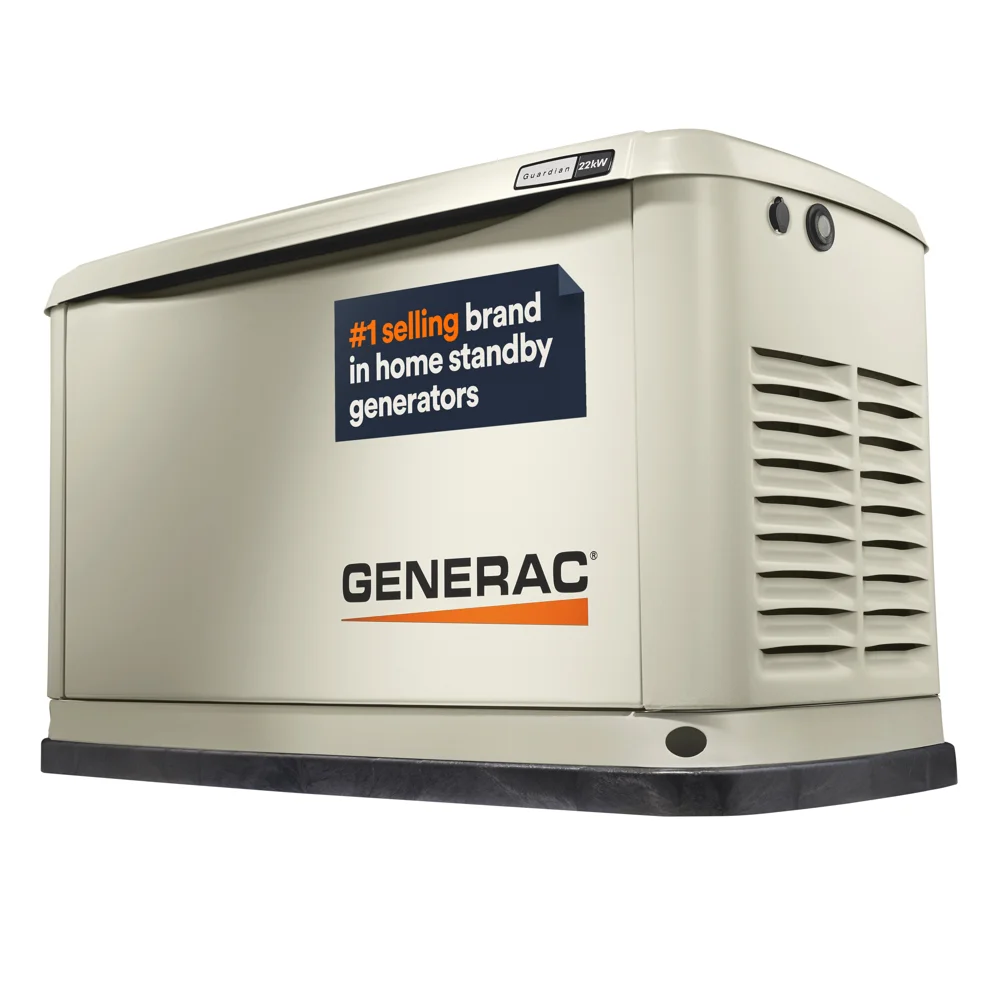
    The pictured Generac Guardian is an actual standby generator product example. Generac, Kohler, and Cummins offer different residential and commercial families, with model-specific ratings and requirements. Generator output can vary with fuel type and operating conditions, so compare the exact specifications rather than a headline rating. A proposal should distinguish the generator, transfer equipment, fuel work, pad or support, permits, and any load-management equipment.

    Generac Guardian standby generator manufacturer product photo, Essential-load backup or a larger standby system? guide for the Charleston Lowcountry
    Generac Guardian standby generatorProduct source: Generac
    02

    Transfer equipment prevents dangerous backfeed

    A generator cannot safely be connected to a building by feeding power backward through a receptacle. An approved transfer arrangement separates the utility source from the generator source and follows the requirements of the installed equipment. Automatic transfer switches and properly applied manual arrangements serve different needs. The design also determines which loads are supplied and how the system handles the return of utility power.

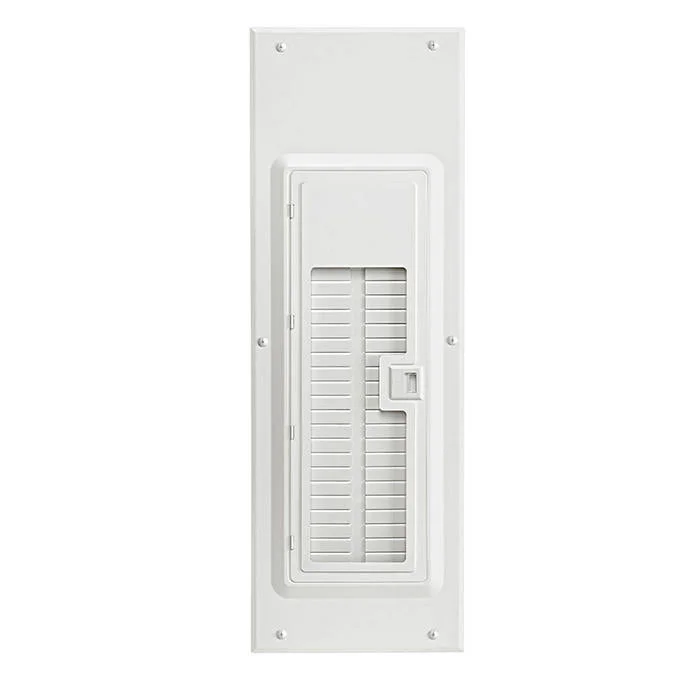
    The pictured load center represents distribution equipment, not a transfer switch. Existing service configuration, grounding and bonding, service-rated equipment requirements, and generator instructions all influence the installation. Never improvise a connection during a storm or use a homemade cable to energize a house. For portable generators, follow the manufacturer’s outdoor placement and carbon-monoxide safety guidance; a garage, porch enclosure, or open doorway is not a substitute for safe placement.

    42 Space Indoor Load Center and Door with Window, LDC42-W manufacturer product photo, Transfer equipment prevents dangerous backfeed guide for the Charleston Lowcountry
    42 Space Indoor Load Center and Door with Window, LDC42-WProduct source: Leviton
    03

    Placement, fuel, and coastal exposure

    Placement needs to account for manufacturer clearances, building openings, exhaust, service access, local requirements, and site conditions. A location that looks convenient near the meter may be unsuitable near a window, vent, boundary, or flood-prone area. Fuel sizing and delivery also matter, especially when other appliances share the supply. Electrical work and fuel work should be coordinated with the appropriate trades.

    Coastal humidity and salt exposure make enclosure condition and routine care important. Ask how the installation will accommodate drainage, access for service, and the actual site exposure. If elevated mounting is considered, it must be designed for the equipment and applicable requirements. Discuss noise expectations and exercise scheduling before the unit is installed. A quiet advertised rating does not eliminate the need for thoughtful siting and consideration of nearby occupied spaces.

    04

    Maintenance and diagnosing a unit that will not start

    Standby generators need maintenance even when outages are rare. Exercise schedules, oil and filter service, battery condition, and other tasks vary by model and usage. Keep the service schedule from the manufacturer rather than adopting a generic interval from another generator. After an extended outage, the operating hours can change the maintenance needs significantly.

    A failed start can arise from fuel, battery, controls, electrical connections, or mechanical issues. Record the fault message, the time, recent maintenance, and whether the failure occurred during exercise or a real outage. Do not repeatedly attempt operation when there is visible damage, a fuel smell, abnormal noise, or an unsafe condition. Ask the service provider to distinguish a generator repair from a transfer or building-wiring fault and to explain the test that confirms normal operation afterward.

    Manufacturer product photographs illustrate the equipment discussed, not completed EmergenServe installations. Models are examples; availability, specifications, and compatibility must be confirmed. Source attribution does not imply a manufacturer partnership.

    Lowcountry conditions that affect the work

    Humidity, outdoor moisture, retained finishes, and concealed wiring can all affect the scope of an electrical project in the Lowcountry. Coastal exposure calls for equipment suited to the actual mounting location, not a generic claim that every enclosure is weatherproof. In older buildings, assess the conductors and prior alterations rather than judging by faceplates. Newer construction still needs a load calculation when substantial equipment is added.

    For this project, assess the loads that need backup, fuel availability, placement, and the approved transfer arrangement at the actual address. Confirm the parcel’s jurisdiction before scheduling work that requires a permit. Inspection or utility scheduling can affect completion; ask about the sequence rather than treating an estimated date as a guaranteed reconnection time.

    Prepare for a useful estimate

    • Prioritize essential circuits and large motor loads.
    • Identify the fuel source and existing service equipment.
    • Discuss exercise cycles, maintenance access, and outage expectations.

    Pricing depends on the agreed equipment, routing, access, existing conditions, and any required permits or utility work. Existing starting prices elsewhere on this page are not a quote for every configuration. Compare written scopes and confirm finish repairs, supplied materials, testing, and exclusions. No new price or manufacturer warranty is implied by the product examples in this guide.