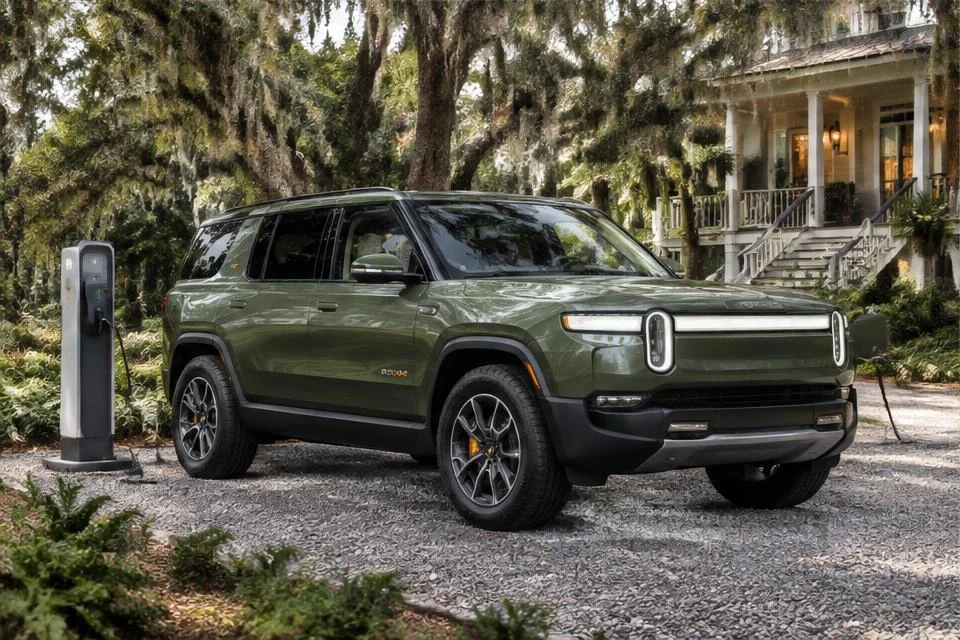
Stop relying on public charging stations and slow Level 1 trickle charging. EmergenServe installs Level 2 home EV chargers and commercial charging stations across the Lowcountry so your vehicle is fully charged every morning and your business attracts EV-driving customers.
The cord that came with your Tesla, Rivian, or Chevy EV plugs into a standard 120V outlet and adds roughly 4 miles of range per hour. That's overnight charging just to cover a round trip to downtown Charleston from Mount Pleasant. A Level 2 charger on a dedicated 240V circuit delivers 25 to 40 miles of range per hour, meaning a full charge while you sleep, every single night.
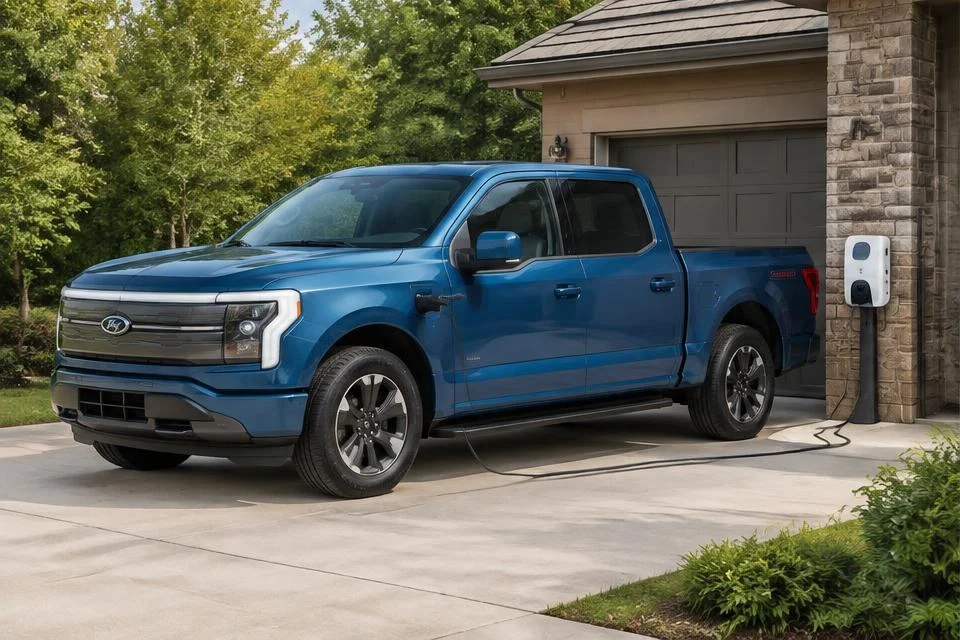
EmergenServe has installed home EV chargers for Tesla Model 3 owners on James Island, Rivian R1S drivers in I'On, BMW iX owners in West Ashley, and Ford Lightning trucks on Johns Island. We evaluate your existing panel capacity first. Many Lowcountry homes built before 2010 run on 100A or 150A services that may need an upgrade to safely support a 48A charger alongside your HVAC and water heater. If your panel is tight, we can install a load management device that shares capacity intelligently without the cost of a full service upgrade.
Every installation includes a dedicated circuit sized to your charger's requirements, proper conduit or cable protection, secure wall or pedestal mounting, and a final inspection with Charleston County. The federal Section 30C credit ended for equipment placed in service after June 30, 2026. For an earlier installation, check IRS location and eligibility requirements with your tax adviser; current utility incentives vary.
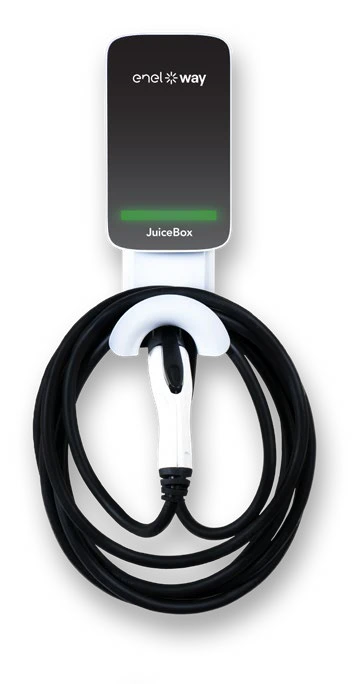
EV charger installation in Charleston continues to grow as more Lowcountry residents switch to electric vehicles. Our licensed electricians stay current with the latest charger models, installation requirements, and electrical code updates specific to EV charging circuits. We install Level 2 home chargers for every major EV brand, including Tesla Wall Connectors, ChargePoint Home Flex units, Emporia Smart chargers, and JuiceBox models, ensuring proper wire gauge, breaker sizing, and circuit protection for safe, reliable daily charging. For Charleston homeowners with detached garages or carport setups, we run underground conduit and outdoor-rated cable to deliver power exactly where your vehicle parks. Our EV charger electricians also install NEMA 14-50 outlets for homeowners who prefer the flexibility of a portable charger they can take on road trips. From Isle of Palms to Summerville, EmergenServe makes home EV charging installation in Charleston simple, permitted, and inspected, with most jobs completed in a single visit.
Residential EV Charger Services:
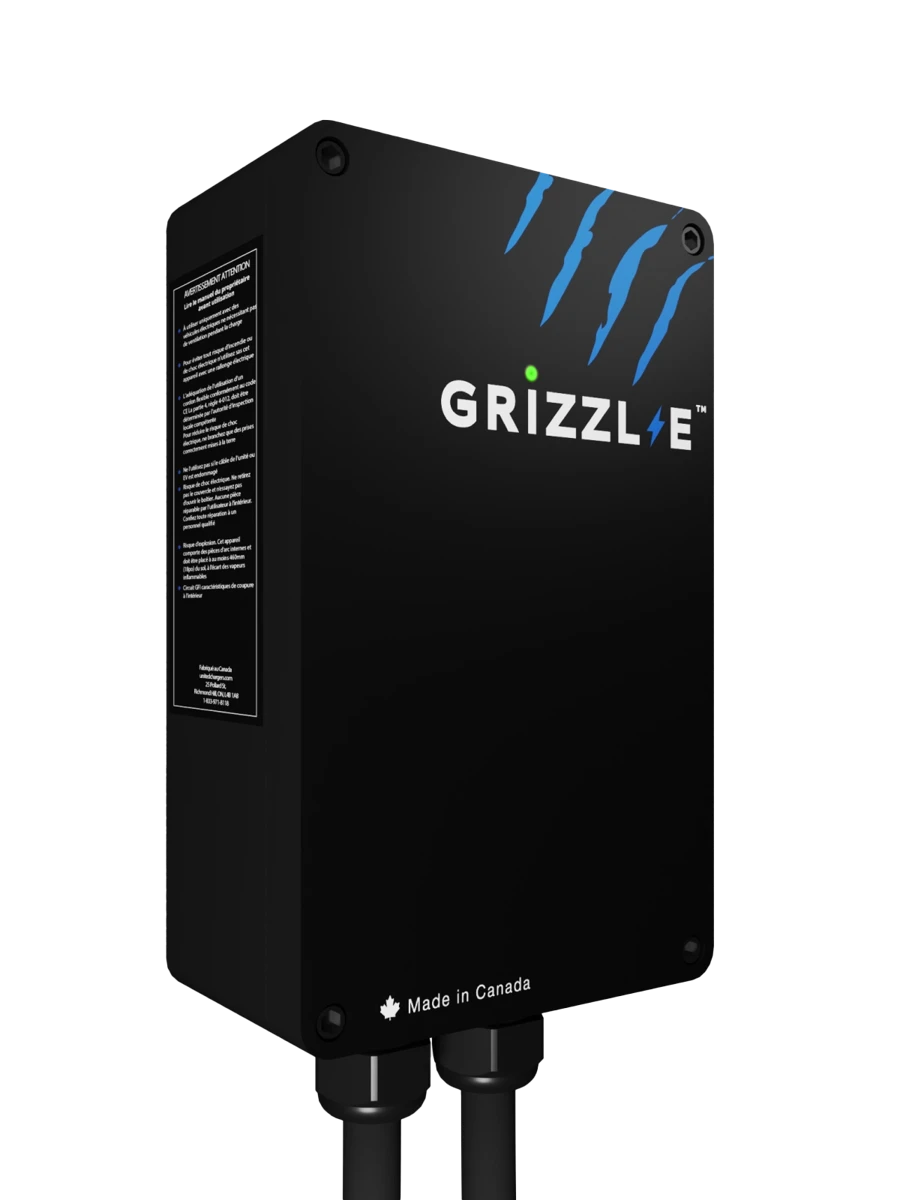
Level 2 (240V) home EV charger installation for Tesla, ChargePoint, Emporia, Grizzl-E, and more
Dedicated 40A to 60A circuit run from your electrical panel to the garage or driveway
Panel capacity evaluation and upgrade if needed for EV charging load
NEMA 14-50 outlet installation for plug-in charger flexibility
Hardwired charger mounting and connection per manufacturer specs
Outdoor-rated charger installation for carports and driveways
Load management devices to avoid panel upgrades on tight services
Wi-Fi-enabled charger setup and app configuration
Permit pulling and Charleston County inspection coordination
Federal tax credit guidance for residential EV charger installations
Commercial EV Charger Installation
Adding EV charging to your property isn't just good for the environment. It's a smart business decision. Hotels attract EV-driving guests, retail centers increase dwell time, office parks become more competitive for talent, and multi-family properties command higher rents. EmergenServe designs and installs commercial EV charging infrastructure from single-station additions to multi-stall deployments with dozens of chargers.
We've installed ChargePoint stations at apartment complexes on Daniel Island, Tesla destination chargers at boutique hotels on King Street, and high-power DC fast chargers at fleet depots in North Charleston. For large deployments, we handle the electrical heavy lifting including transformer upgrades, switchgear sizing, trenching across parking lots, and power management systems that balance load across all stations without overwhelming your building's service.
Our team coordinates with Dominion Energy on dedicated service drops and helps you navigate available utility incentives and federal programs that offset installation costs. We also set up networked charger management so you can control pricing, access, and usage reporting from a single dashboard.
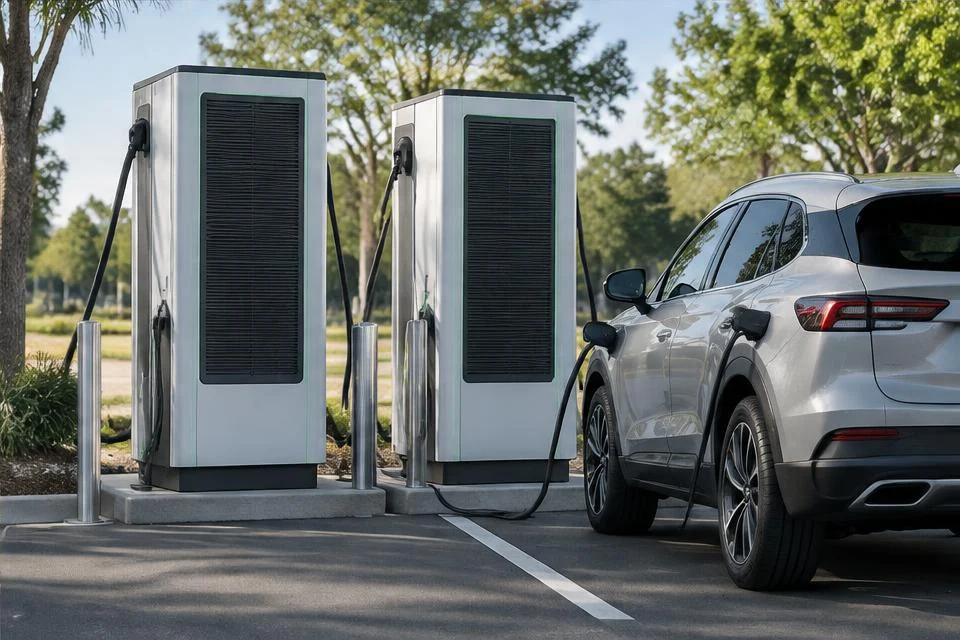
Commercial Level 2 and DC fast charger (DCFC) installation
Multi-station parking lot and garage charger deployments
Electrical infrastructure design for 10+ simultaneous charging stations
Load management and power sharing systems for large deployments
Transformer and switchgear upgrades for high-demand charging sites
Networked charger setup with payment processing and user management
ADA-compliant charger placement and signage
Utility coordination with Dominion Energy for dedicated EV service drops
Trenching and conduit runs for parking lot installations
Ongoing maintenance contracts for commercial charging stations
EV Charger Brands We Install
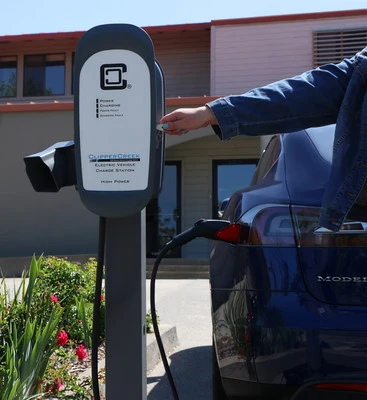
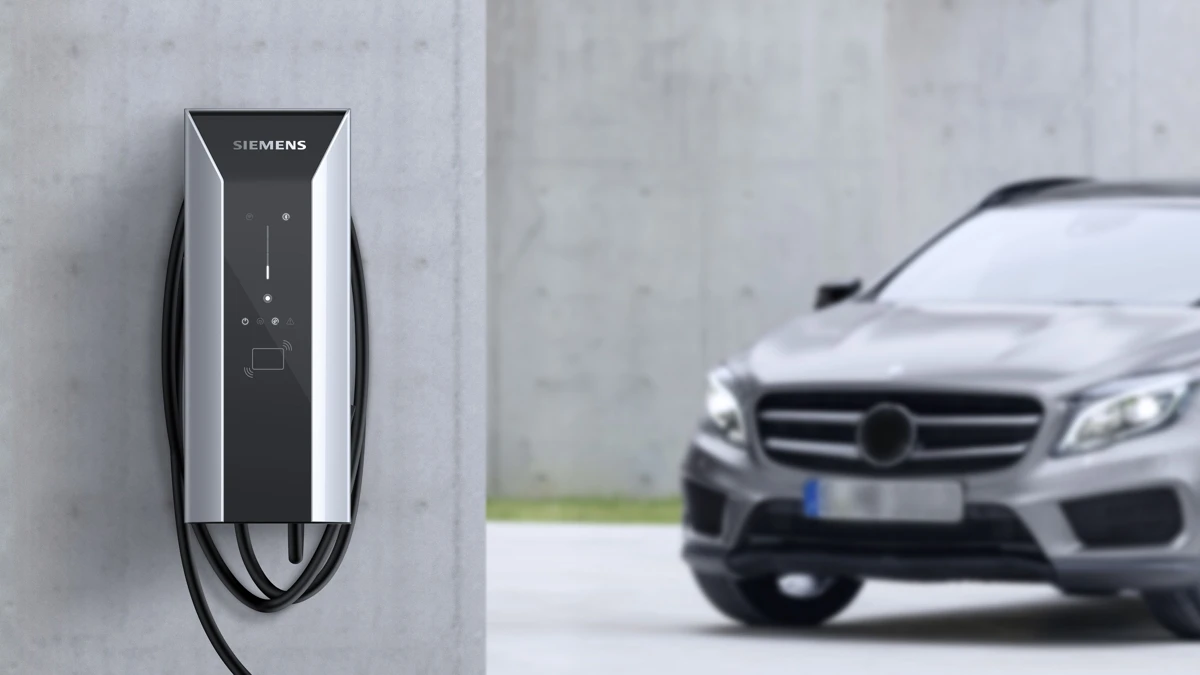
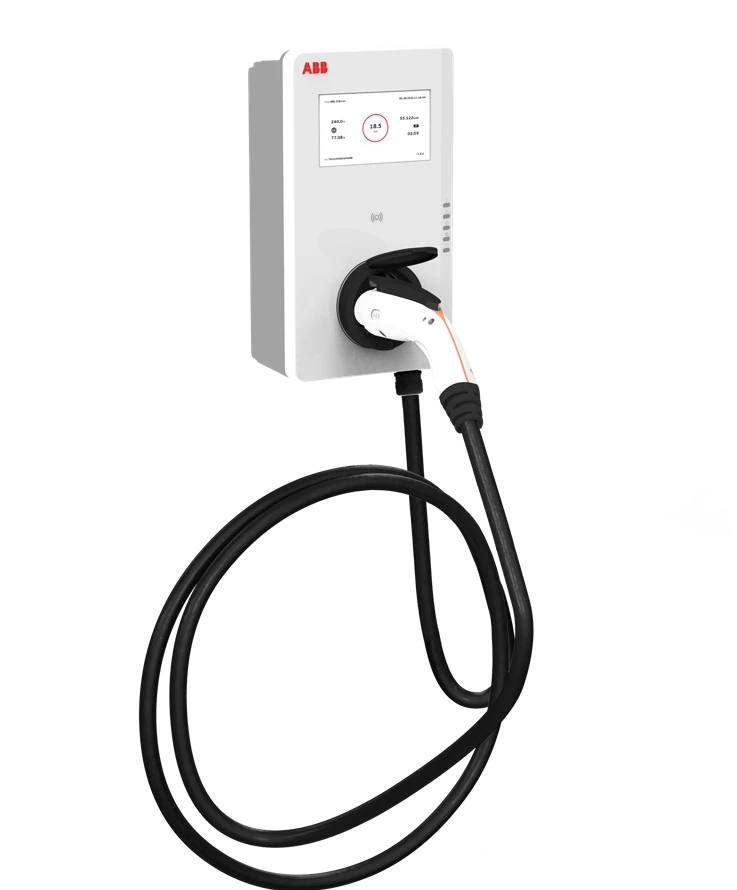
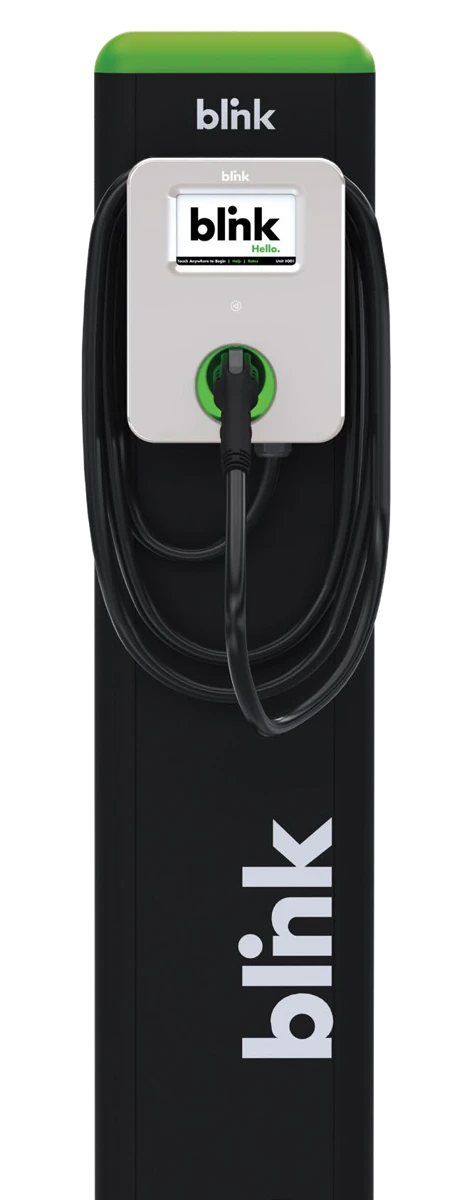
We're not locked into one manufacturer. EmergenServe installs and services chargers from every major brand so you get the right unit for your vehicle, budget, and property.
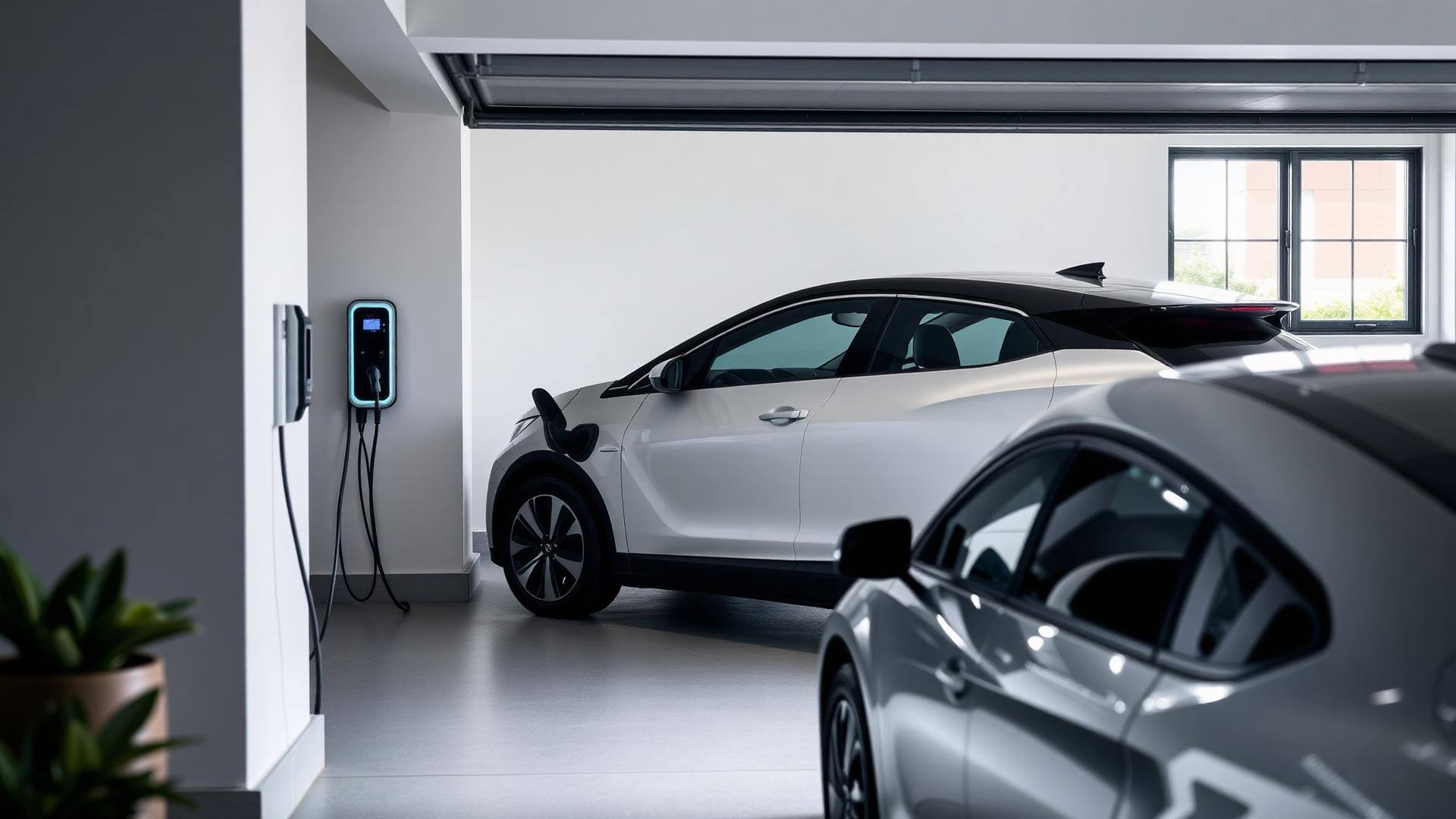
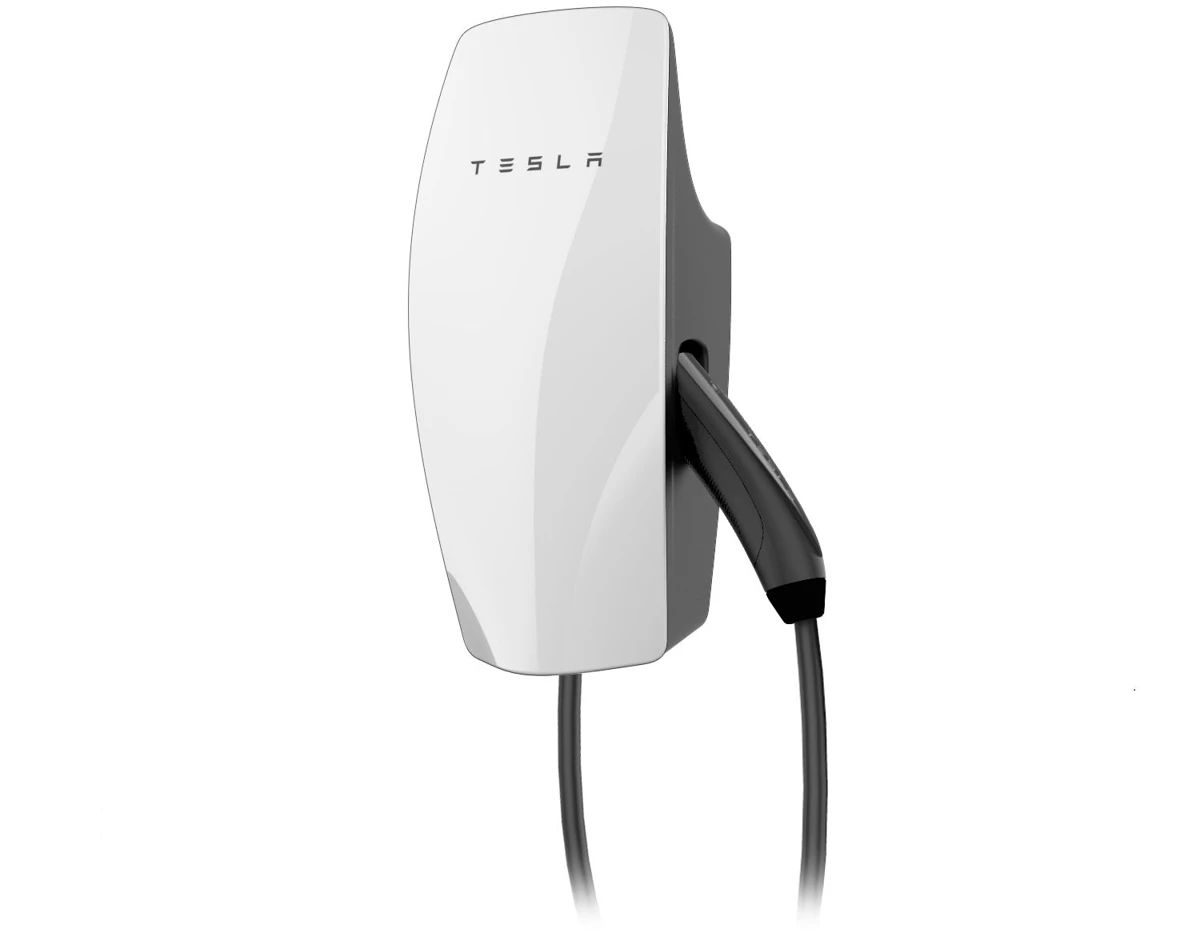
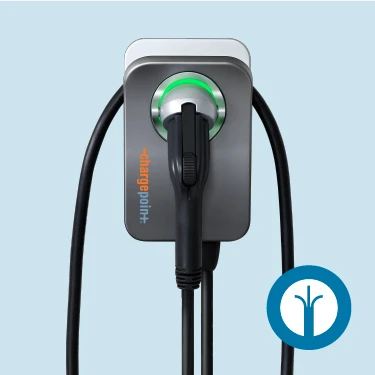
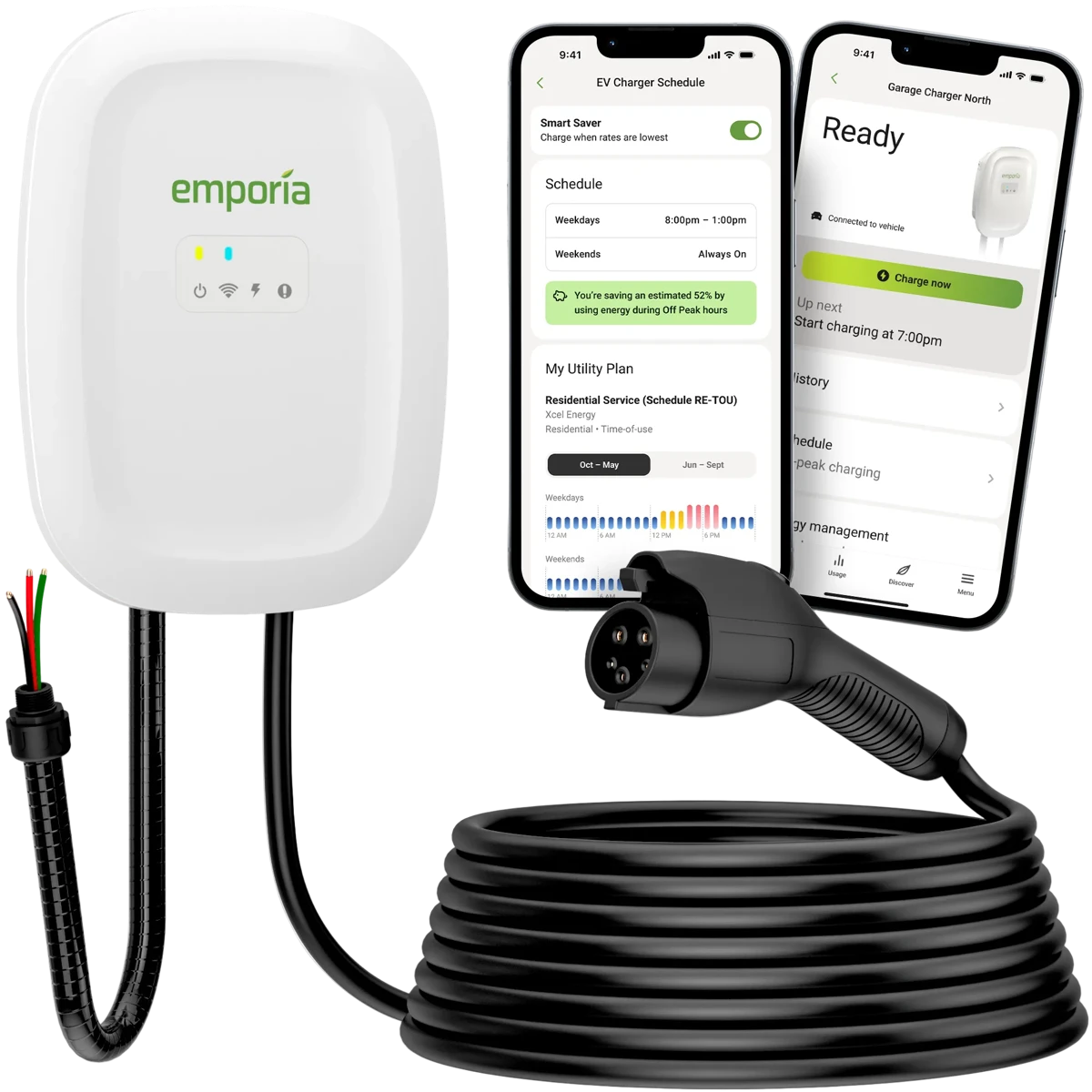
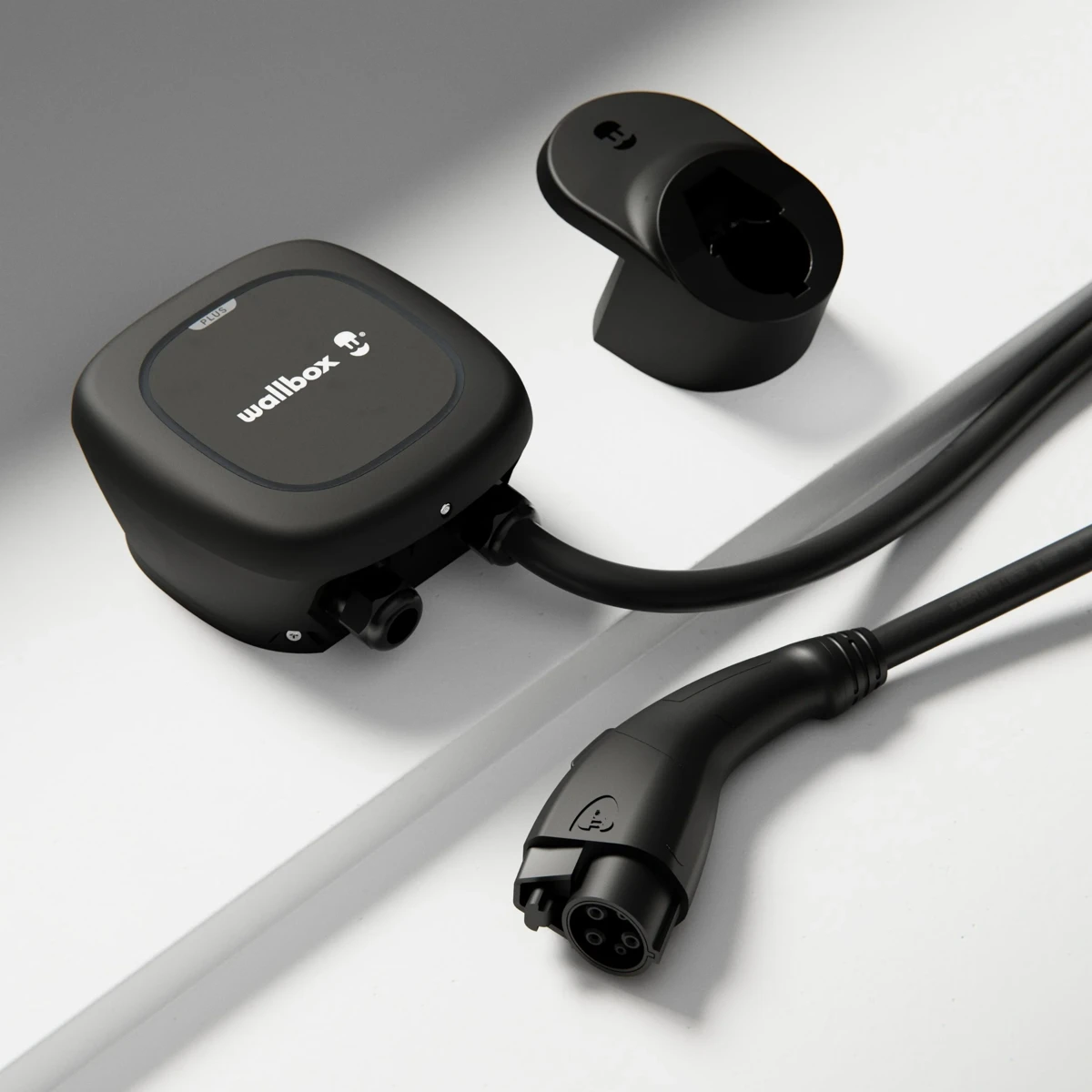
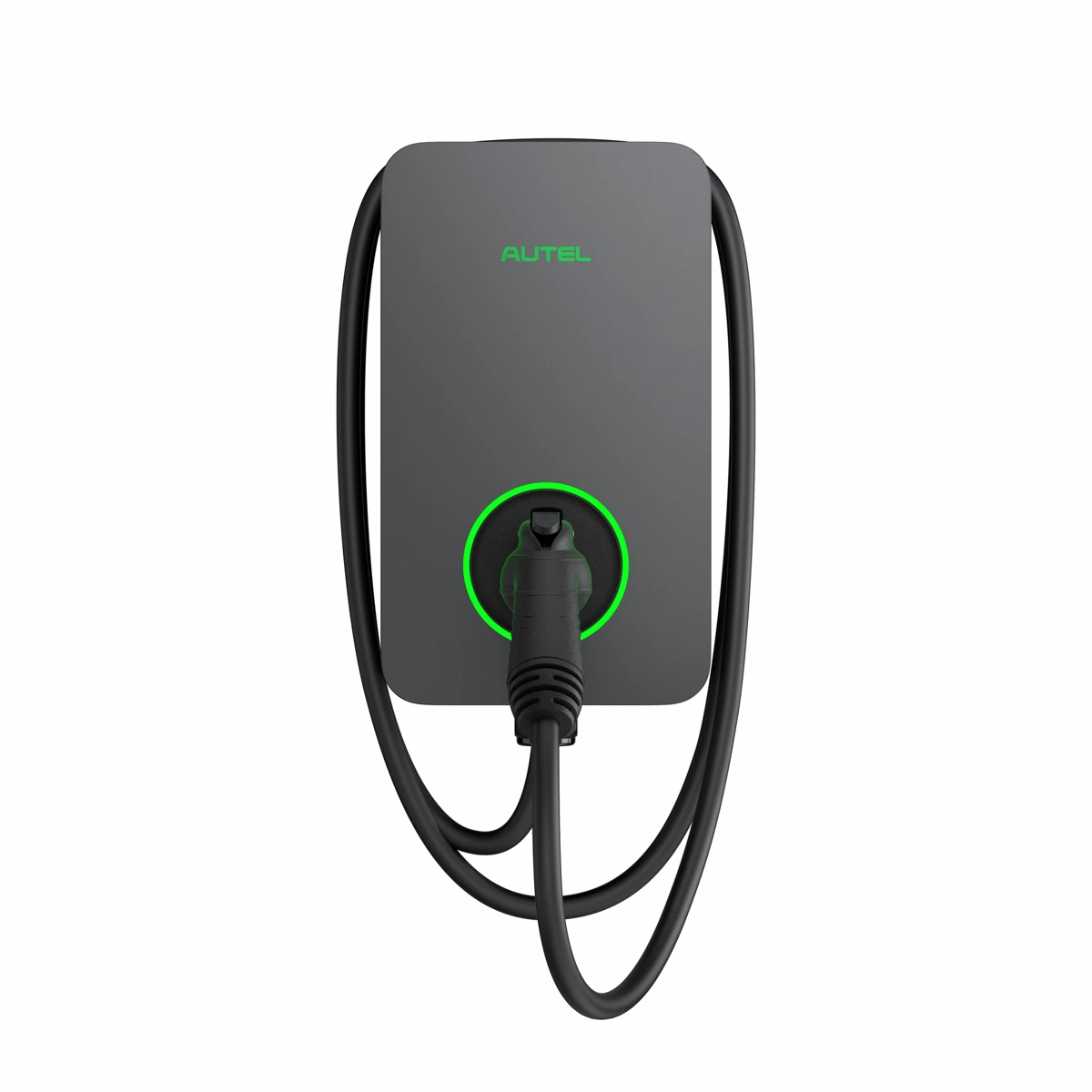
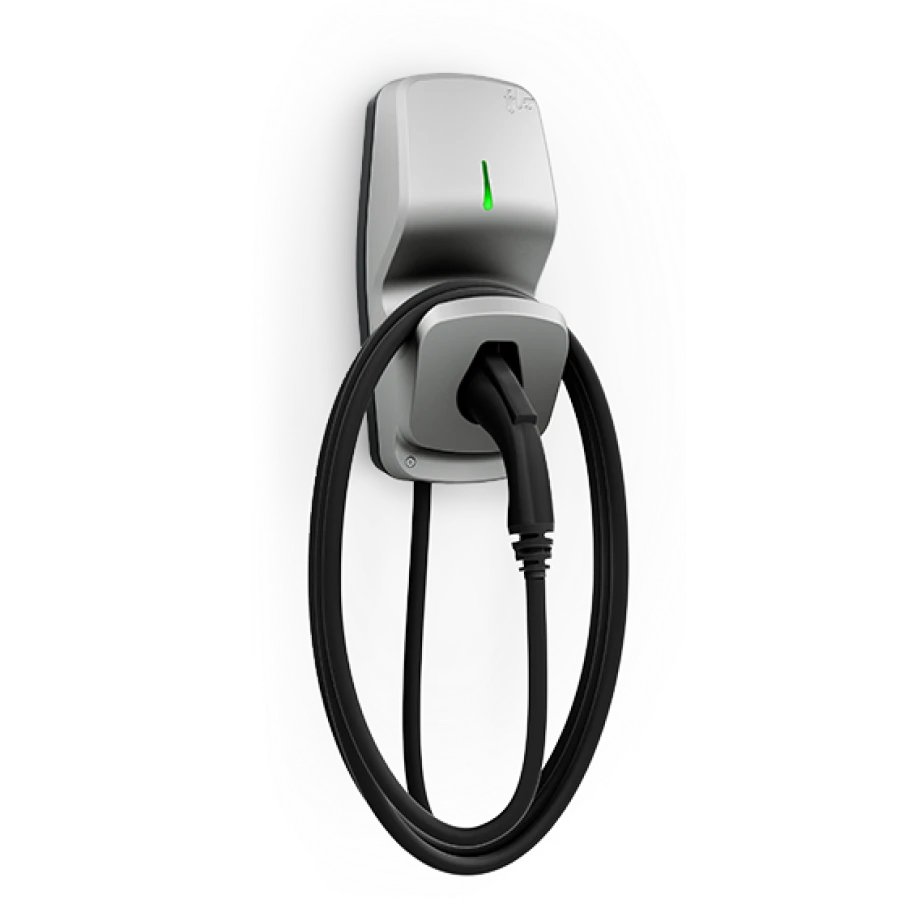
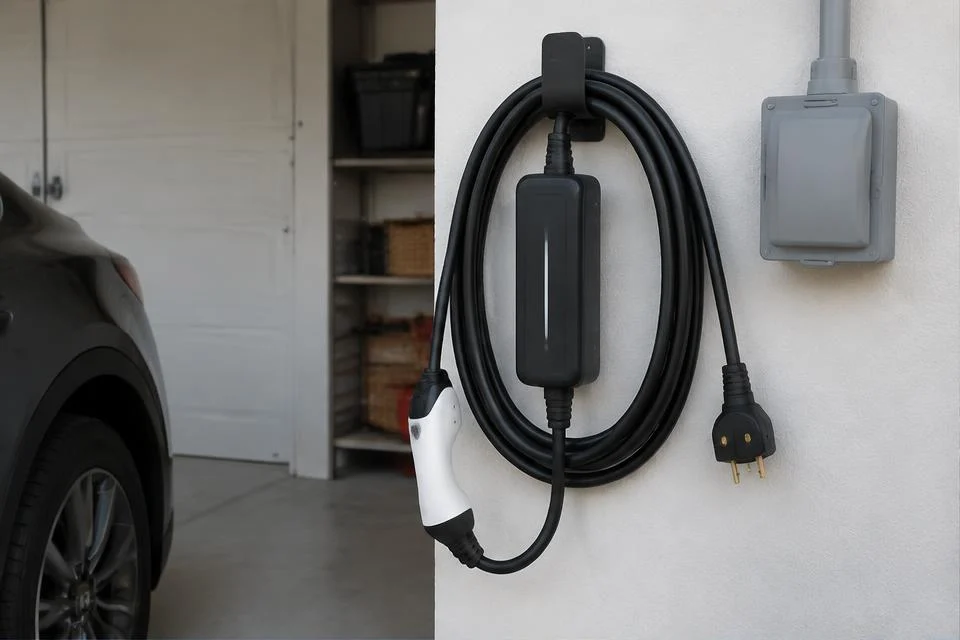
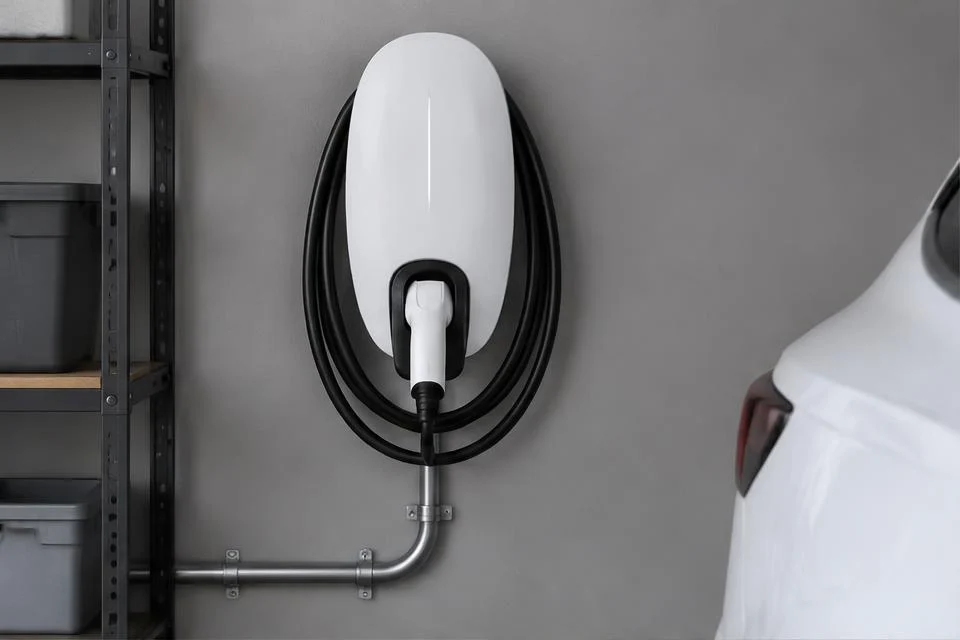
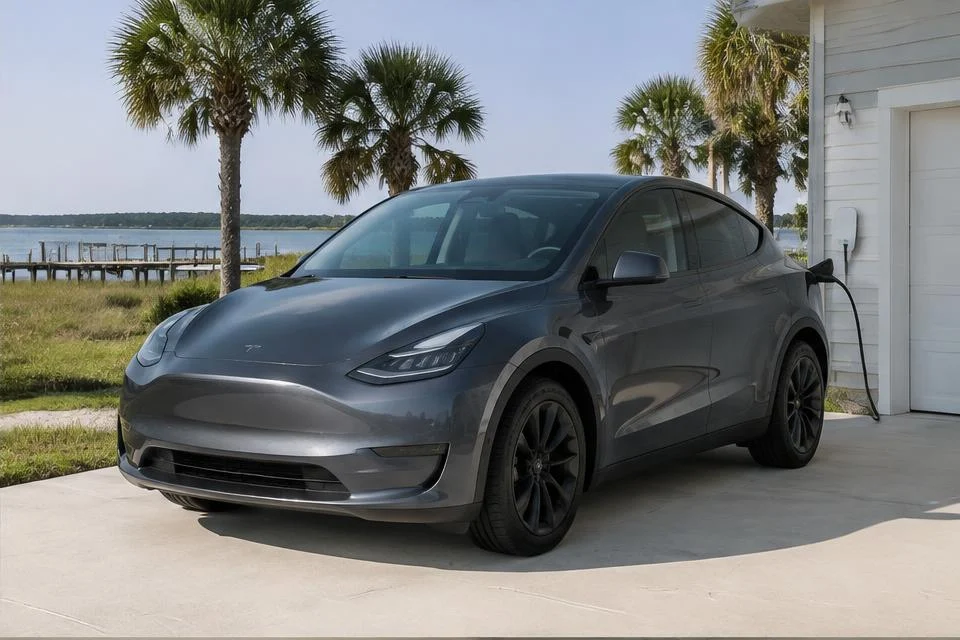
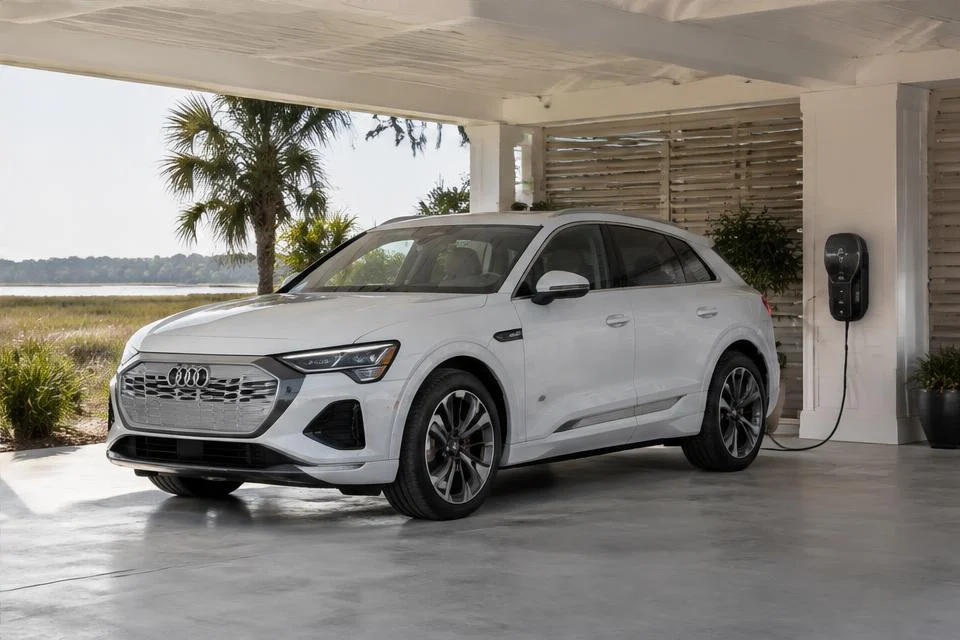
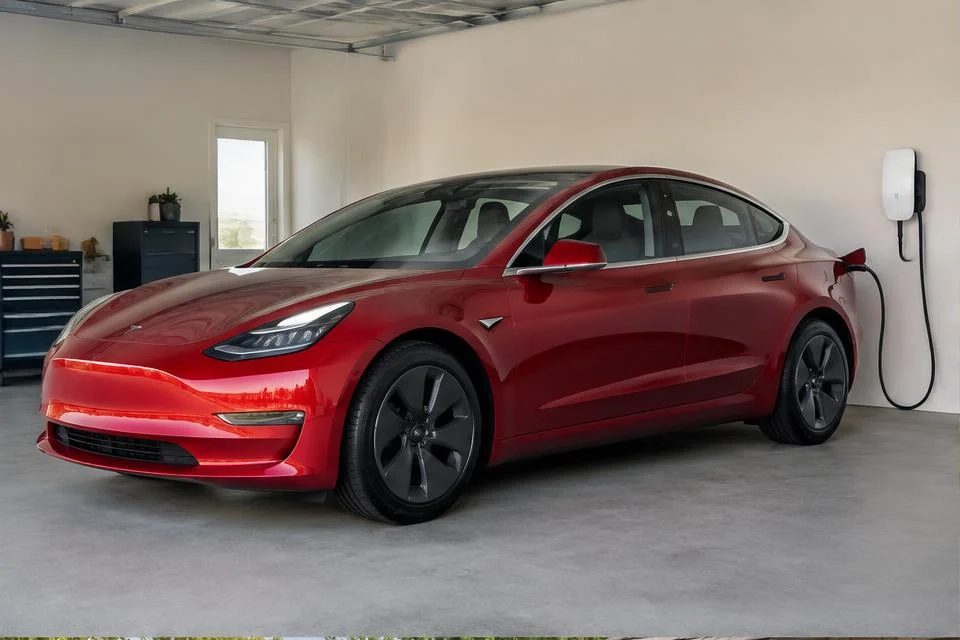
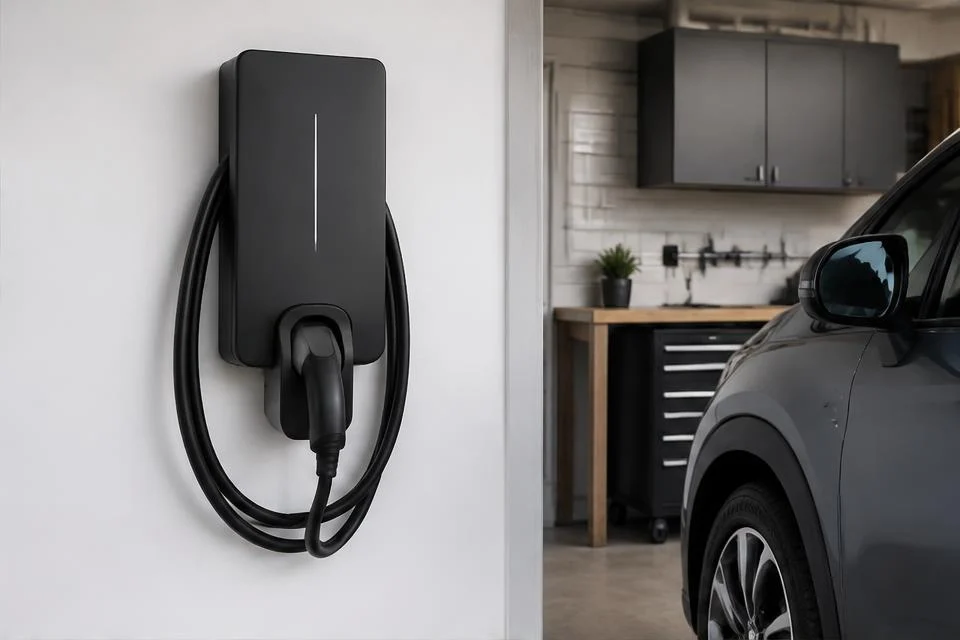
Manufacturer product photos show the models linked above, not completed EmergenServe installations. Product appearance and specifications vary by model.
Why Charleston EV Owners Choose EmergenServe
All Makes & Models
Tesla, Rivian, Ford, BMW, Chevy, Hyundai, Kia. We install the right charger for every EV on the road.
Right-Sized Circuits
We evaluate your panel and size the circuit correctly. No undersized wiring, no unnecessary upgrades.
Fast Installation
Most residential installs are completed in a single visit. We bring everything needed. No return trips.
Permitted & Inspected
Every install is permitted through Charleston County and inspected, protecting your home and your warranty.
Charge at Home, Charge at Work
Schedule your EV charger installation and wake up to a full battery every morning. We'll evaluate your panel, recommend the right charger, and install it, usually in one visit.
EV charger installation in Charleston has exploded as Tesla, Ford F-150 Lightning, Rivian, Hyundai Ioniq, Chevy Bolt, and Mustang Mach-E owners replace gasoline daily drivers with fully electric vehicles. EmergenServe is a licensed Lowcountry EV charger installer serving Charleston, Mount Pleasant, Daniel Island, James Island, Johns Island, North Charleston, West Ashley, Summerville, Goose Creek, Hanahan, Moncks Corner, and Isle of Palms, covering NEMA 14-50 outlets, hardwired Level 2 stations, Tesla Wall Connectors, ChargePoint, JuiceBox, Wallbox, Grizzl-E, and Emporia chargers.
Level 2 vs Level 1 Charging In Charleston Homes
Level 1 charging, plugging your EV into a standard 120-volt household outlet, adds roughly three to five miles of range per hour. For a Charleston commuter driving 30 miles round-trip to downtown or the Boeing campus in North Charleston, that may technically be enough on paper, but it leaves no margin for weekend trips to Charleston Harbor, Folly Beach, or Kiawah Island.
Level 2 charging at 240 volts delivers 25 to 40 miles of range per hour, fully replenishing most EVs overnight. EmergenServe installs hardwired and plug-in Level 2 stations on dedicated 40, 50, or 60-amp circuits, sized to your specific vehicle and panel capacity. We perform an NEC 220 load calculation on every install to ensure your existing 100-amp or 200-amp panel can safely accommodate the new circuit before we cut a single wire.
Charger Brands & Wiring Methods We Install
EmergenServe installs every major Level 2 charger brand sold in the United States. We help Charleston homeowners choose between hardwired and outlet-based installations based on whether you want portability (NEMA 14-50 outlet for moving the charger to a future home) or maximum amperage and weatherproofing (hardwired for outdoor garage walls and exterior driveway pedestals).
For Tesla owners, we install both the Tesla Wall Connector and Tesla Universal Wall Connector with NACS plug. For non-Tesla EVs, we recommend ChargePoint Home Flex, JuiceBox 40, Wallbox Pulsar Plus, Emporia EV Charger, and Grizzl-E Classic, all UL-listed and warranty-supported across the Lowcountry.
Tesla Wall Connector and Universal Wall Connector
ChargePoint Home Flex hardwired or plug-in
JuiceBox 40 and JuiceBox Pro WiFi-enabled
Wallbox Pulsar Plus 40A and 48A
Emporia EV Charger with energy monitoring
Grizzl-E Classic and Grizzl-E Smart
NEMA 14-50 outlet installation in garages
Outdoor pedestal mounts for driveway charging
Panel Capacity, Load Management & Smart Charging
The most common reason Charleston EV charger installs fail inspection is undersized panel capacity. A typical Level 2 charger pulls 32 to 48 continuous amps. On a 100-amp service that already powers a heat pump, electric water heater, and electric range, there simply is not enough headroom. EmergenServe will tell you honestly whether you need a panel upgrade before installing the charger, and we frequently combine the two projects to save labor cost.
When a panel upgrade is not feasible, for example, in older Mount Pleasant or downtown Charleston homes with limited service entrance capacity, we install dynamic load management (DLM) systems and energy-monitoring chargers that throttle charging speed during peak household demand. This lets many Charleston homeowners add EV charging without service entrance work.
Permits, Rebates & Charleston-Area Incentives
Every Level 2 EV charger installation in Charleston requires a permit and a final electrical inspection. EmergenServe handles permitting with the applicable city or county authority. The federal Section 30C credit is unavailable for equipment placed in service after June 30, 2026. Earlier qualifying residential installations may be eligible for 30% of cost, up to $1,000 per item, subject to eligible census tract and other requirements. Check current utility incentives separately and consult your tax adviser.
Commercial property owners, apartment complexes in Mount Pleasant, retail centers on Daniel Island, hotels along King Street, can qualify for substantially larger commercial EV charging rebates. EmergenServe's commercial division installs networked charging stations from ChargePoint, Blink, and EVgo for multi-tenant properties.
Garage Walks We've Done This Month
We do a quick garage walk before we quote anything. We open the panel, count spaces, read the main breaker label, and look at what's already loaded, heat pump air handler, electric water heater, range, dryer, pool pump. We snap a photo of the meter and your service entrance conductors. Nine times out of ten in a 1990s Mount Pleasant or Summerville home with a 200-amp panel we have room for a 48-amp Tesla Wall Connector or ChargePoint Home Flex on a 60-amp breaker without touching the service. In a 1970s West Ashley ranch with a 100-amp Federal Pacific, we have a very different conversation.
We measure the run from the panel to where you actually park, not where you think you park, and price the install with real conduit and real wire, not a guess. EMT inside the garage, LFMC where it transitions, NEMA 4X box outside if you're driveway-charging. We pull the permit, set the disconnect within sight of the charger when code requires it, and we're back the next day if your car throws a J1772 fault on first plug-in. That kind of follow-through is why our Tesla and Rivian customers refer their neighbors.
Frequently Asked Questions
How much does Level 2 EV charger installation cost in Charleston?
A typical hardwired Level 2 charger installation in Charleston runs $800 to $2,200 depending on panel location, circuit length, and whether trenching or drywall work is required. Garage-adjacent panels are the least expensive; opposite-corner runs cost more.
Do I need a 200-amp panel for a Level 2 EV charger?
Not always, but most Charleston homes built before 2000 benefit from a panel upgrade when adding EV charging. EmergenServe performs a free load calculation to tell you definitively whether your existing service can handle the new circuit.
Can I install my own NEMA 14-50 outlet for EV charging?
No. South Carolina requires a licensed electrician for any new 240-volt circuit. DIY EV charger installations almost universally fail inspection and void manufacturer warranties.
How long does EV charger installation take?
Most Charleston Level 2 installations are completed in three to five hours including permit pickup. Complex runs requiring trenching or sub-panel work may take a full day.
Can you install a charger outside on my driveway?
Yes. EmergenServe installs weatherproof outdoor pedestals and wall-mounted chargers rated for the salt air and humidity of coastal Charleston. We use stainless hardware and NEMA 4X enclosures for exterior installs.
Service Areas & Specialties
Charleston EV charger installation · Tesla Wall Connector Charleston · Mount Pleasant Level 2 charger · NEMA 14-50 outlet install · ChargePoint installation SC · JuiceBox installer Charleston · Daniel Island EV charging · Johns Island Tesla charger · Summerville EV electrician · hardwired Level 2 charger · EV charger tax credit South Carolina · commercial EV charging Charleston
Volume matters when you are choosing an EV charger installer. EmergenServe installs an average of 15 to 20 Level 2 EV chargers every month across Lowcountry homes and businesses, and that steady monthly pace is the reason our crews already know how your panel, your utility, and your inspector will behave before we ever open the truck. A shop that installs two chargers a year is learning on your garage wall. We are not.
15 To 20 Level 2 Chargers Installed Every Month
Across Charleston, Mount Pleasant, Summerville, North Charleston, Goose Creek, Hanahan, Daniel Island, James Island, Johns Island, Moncks Corner, Isle of Palms, West Ashley, Ladson, Ravenel, Ridgeville, Kiawah Island, Seabrook Island, and Sullivan's Island, we average 15 to 20 completed Level 2 EV charger installations per month. Roughly three quarters of that volume is residential garage and driveway work, and the remaining quarter is commercial: employee parking, multifamily buildings, fleet yards, hotel guest parking, and retail centers that want charging as an amenity.
That monthly rhythm has a practical effect on your job. Our vans carry the parts an EV install actually consumes, 6 AWG and 4 AWG copper, 60 amp and 50 amp breakers for the panel brands common here, weatherproof in use covers, stainless anchors, NEMA 4X enclosures, load management modules, and Type 2 surge protective devices. When a job turns out to need a second subpanel or a longer run than the driveway suggested, we usually finish the same day rather than scheduling a return trip for materials.
It also means our pricing is calibrated to reality instead of guesswork. After hundreds of installs we know what a 40 foot conduit run through a Summerville crawlspace costs, what a plaster ceiling fish on the Charleston peninsula costs, and what a coastal enclosure on an Isle of Palms driveway pedestal costs. You get a firm number, not a range that grows on install day.
The Range Of Chargers We Install In A Typical Month
In any given month our completed installs include Tesla Wall Connectors and Tesla Universal Wall Connectors, ChargePoint Home Flex units, Wallbox Pulsar Plus, Emporia, Grizzl-E, Enphase, Autel, and hardwired JuiceBox models, plus a steady share of NEMA 14-50 receptacles for owners who want a portable connector they can take to a future home. On the commercial side we set ChargePoint CT4000 pedestals, Blink and EVgo networked stations, and load shared banks that let four to eight ports run behind one feeder.
Because we touch that many brands every month, we can tell you which unit fits your situation rather than selling one product line. A Rivian owner charging on a 200 amp panel that already carries a heat pump, a pool, and a tankless heater is a load management conversation. A two EV household in Carolina Park is a load sharing conversation. A vacation rental on Wild Dunes is an access control and enclosure conversation. Same trade, very different specification.
Around 15 to 20 Level 2 chargers commissioned monthly across the tri county area
Roughly 75 percent residential and 25 percent commercial or multifamily
Dozens of Tesla Wall Connectors set every quarter, plus ChargePoint, Wallbox, Emporia, Grizzl-E, Autel, and Enphase
Load management retrofits that avoid unnecessary service upgrades on tight panels
Dual vehicle load sharing installs for two EV households
Commercial banks with dedicated feeders, ADA compliant placement, and utility rebate coordination
What High Volume Buys You On Permits And Inspections
We pull EV permits weekly with the City of Charleston, Town of Mount Pleasant, City of North Charleston, Town of Summerville, City of Goose Creek, City of Hanahan, Town of Moncks Corner, City of Isle of Palms, and with Charleston, Berkeley, and Dorchester county offices. Repetition means our submittals are already formatted the way each office wants them, our load calculations are already attached, and our inspection slots come from familiar scheduling desks. First visit pass rates stay high because the inspectors know our labeling, our disconnect placement, and our conductor sizing.
The same is true on the utility side. Coordinating a meter pull with Dominion Energy or Berkeley Electric Cooperative is routine for us because we do it several times a month. When a job genuinely needs a service upgrade to support charging, we combine the upgrade and the charger circuit into a single permitted project so you pay for one mobilization, one permit cycle, and one inspection instead of two.
Consistent Volume, Consistent Standards
Every charger we install gets the same treatment regardless of how busy the month is. We run an NEC Article 220 load calculation before quoting. We use continuous load sizing at 125 percent, so a 48 amp charger lands on a 60 amp circuit with correctly sized copper, not aluminum sized to the edge of the table. We install a whole home Type 2 surge protective device on every EV job because charging electronics are the most surge sensitive load in a Lowcountry home. We label the circuit clearly at the panel, torque every termination to specification, and photograph the finished work for your records.
Then we commission the charger with you standing there. We plug in your vehicle, confirm the charge rate at the expected amperage, walk through the app pairing, and show you how to adjust the charging schedule for overnight rates. If your car throws a fault on first plug in after we leave, we come back. That closing step is a big part of why our EV customers send us their neighbors, and why our monthly install count keeps climbing rather than leveling off.
EV Charger Installation Volume Across The Lowcountry
15 to 20 Level 2 chargers installed monthly · high volume EV charger installer Charleston · Tesla Wall Connector installer Lowcountry · commercial EV charging installs Charleston SC · load management EV installs · dual EV load sharing Mount Pleasant · EV permit and inspection coordination · fleet and workplace charging North Charleston
Charging levels · Charger brands · Premium electric vehicles
The Home EV Charger Buyer’s Guide
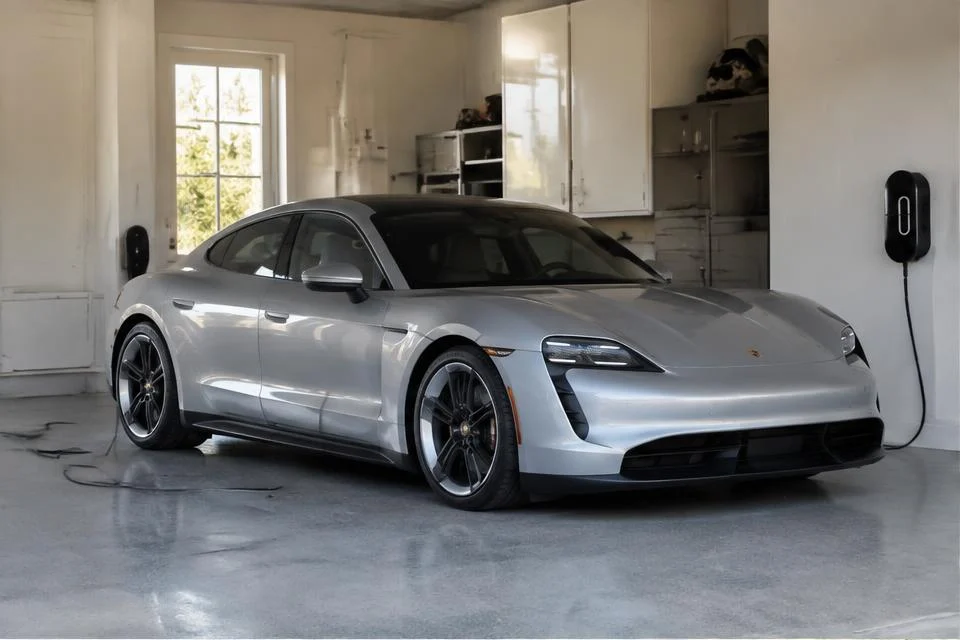
Choosing a charger for a Porsche, BMW, Mercedes-Benz, Lucid, Rivian, or Tesla starts with how you drive, not the biggest number on the box. Compare charging levels, connector types, equipment features, and the demands of your household before buying.
Level 1, Level 2, and DC Fast Charging Explained
The best home charging system replaces the energy you use between trips within the time your car is parked. Battery size matters, but daily mileage, vehicle efficiency, electrical capacity, and your overnight charging window usually matter more. Understanding charging levels helps you avoid both an undersized installation and unnecessary spending on power your vehicle cannot use.
Level 1 charging uses a compatible household outlet; an electrician should assess the circuit, receptacle condition, and sustained load.
Original AI-generated illustration for EmergenServe; not a manufacturer photograph or completed installation.
Level 1: A standard 120-volt outlet with practical limits
Level 1 equipment uses a compatible 120-volt household receptacle. A common configuration draws 12 amps on a suitable 15-amp circuit, providing roughly 1.4 kilowatts before charging losses. Depending on the car and conditions, that often adds approximately three to five miles of range per hour. Ten hours plugged in can therefore cover a short commute, but it is not a dependable way to replenish a large battery after a long highway journey.
Level 1 can be useful for plug-in hybrids, low-mileage drivers, occasional-use vehicles, and temporary charging while a permanent circuit is planned. It is less convenient when you return late, leave early, or drive a less efficient electric SUV. Cabin preconditioning and battery temperature management can also consume part of the available power. Think in terms of energy recovered overnight rather than assuming any outlet will make every EV ready by morning.
An ordinary-looking outlet is not automatically appropriate for sustained EV charging. Its condition, circuit loading, grounding, and suitability must be checked. Loose contacts, worn receptacles, and shared appliance loads can create overheating or nuisance trips. Follow the portable charging equipment’s instructions, keep connections protected as required, and do not use household extension cords, power strips, or improvised adapters to stretch the connection across a garage or driveway.
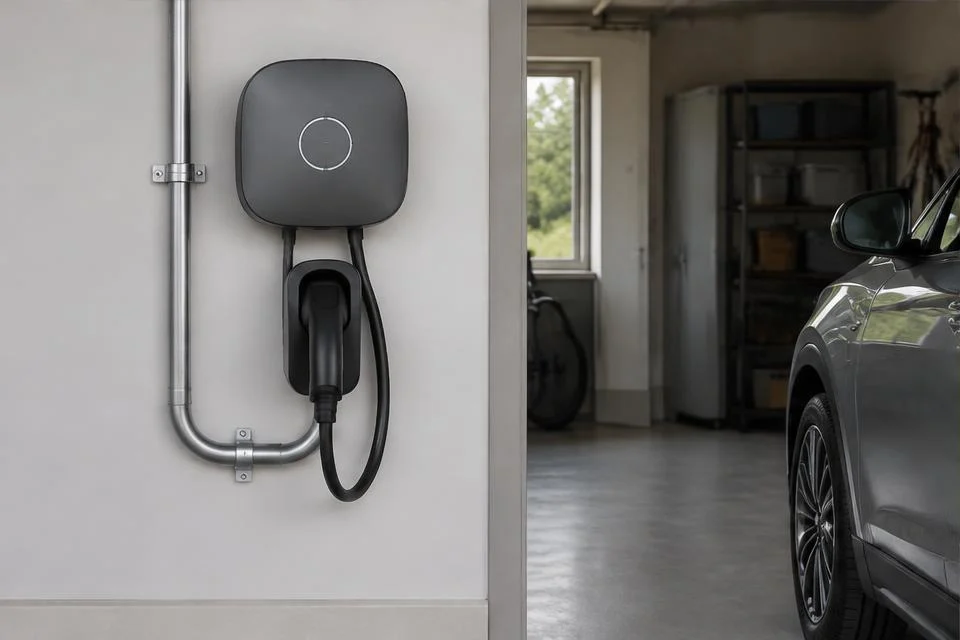
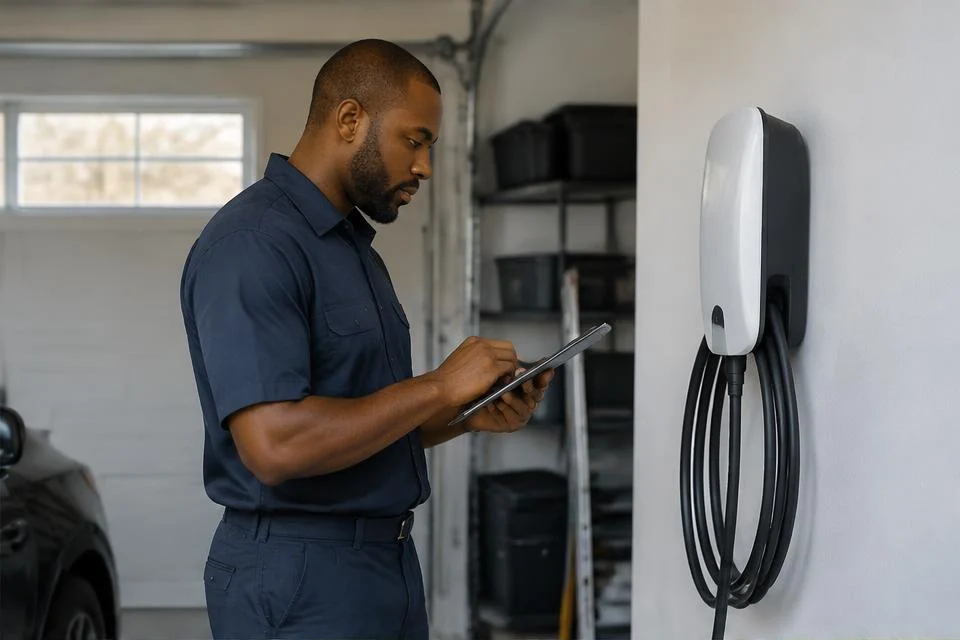
A wall-mounted charging station keeps equipment within reach while preserving garage floor space.
Original AI-generated illustration for EmergenServe; not a manufacturer photograph or completed installation.
Level 2: Matching 240-volt charging to your household
Level 2 uses a dedicated 240-volt installation and is usually the most practical permanent choice for a battery-electric vehicle. A 32-amp setting provides about 7.7 kilowatts, 40 amps about 9.6 kilowatts, and 48 amps about 11.5 kilowatts at nominal residential voltage. These are electrical input figures, not guaranteed energy delivered to the battery. Conversion losses, vehicle limits, temperature, and power-management settings affect the actual rate.
Because charging is a continuous load, conventional circuit sizing generally requires a 40-amp circuit for 32-amp charging, a 50-amp circuit for 40-amp charging, and a 60-amp circuit for 48-amp charging. A 50-amp receptacle does not authorize 50 amps of continuous charging. Common 48-amp home equipment is hardwired. Conductor sizing, installation method, temperature ratings, manufacturer instructions, and applicable electrical rules still govern the design; a breaker number alone is not a wiring specification.
For example, recovering 40 kilowatt-hours takes a little over five hours at 7.7 kilowatts before losses, compared with around three and a half hours at 11.5 kilowatts. A driver who needs only 12 kilowatt-hours each evening may see little practical benefit from the larger circuit. A long-distance commuter with a narrow charging window may value the extra output. Start with miles driven, not a salesperson’s promise of the fastest possible charger.
DC fast charging serves road-trip and high-turnover sites and requires different infrastructure from residential Level 2 charging.
Original AI-generated illustration for EmergenServe; not a manufacturer photograph or completed installation.
DC fast charging is different from a home wall unit
The equipment commonly called a home charger is technically electric vehicle supply equipment, or EVSE. It communicates with the vehicle and safely supplies AC power; the vehicle’s onboard charger converts that AC into DC for the battery. This creates an important ceiling: a wall unit rated above the onboard charger’s capability cannot force the vehicle to charge faster. The slowest applicable limit determines the result.
DC fast charging performs the conversion outside the vehicle and bypasses the onboard AC charger. Road-trip stations can supply much higher power than a residential circuit. Sometimes marketed as Level 3, DC fast charging is not simply a larger Level 2 box. It usually involves substantial commercial electrical infrastructure, utility coordination, expensive equipment, and site planning. A Taycan’s impressive public fast-charging specification therefore does not mean your home needs or can use that same power level.
Connector Types: J1772, NACS / SAE J3400, and CCS
Route the charging cable away from walking paths and allow enough reach for your normal parking position.
Original AI-generated illustration for EmergenServe; not a manufacturer photograph or completed installation.
Choose the connector for the actual vehicle
J1772 has been widely used for North American AC charging on non-Tesla vehicles. CCS1 adds two large DC contacts beneath the J1772 portion for compatible public fast charging. NACS, standardized through SAE J3400, uses a compact connector associated with Tesla and increasingly adopted by other manufacturers. The industry transition does not make every current vehicle or every model year identical. Verify the inlet on the specific car you own or have ordered.
A manufacturer announcing Supercharger access is not necessarily announcing a native NACS inlet on every vehicle. Public-network access, a DC adapter, and AC home-charging compatibility are separate questions. If you already own a J1772 vehicle and may buy a NACS vehicle later, consider compatible dual-connector equipment or a manufacturer-approved AC adapter arrangement. If both cars have the same inlet, a native connector can make daily use simpler.
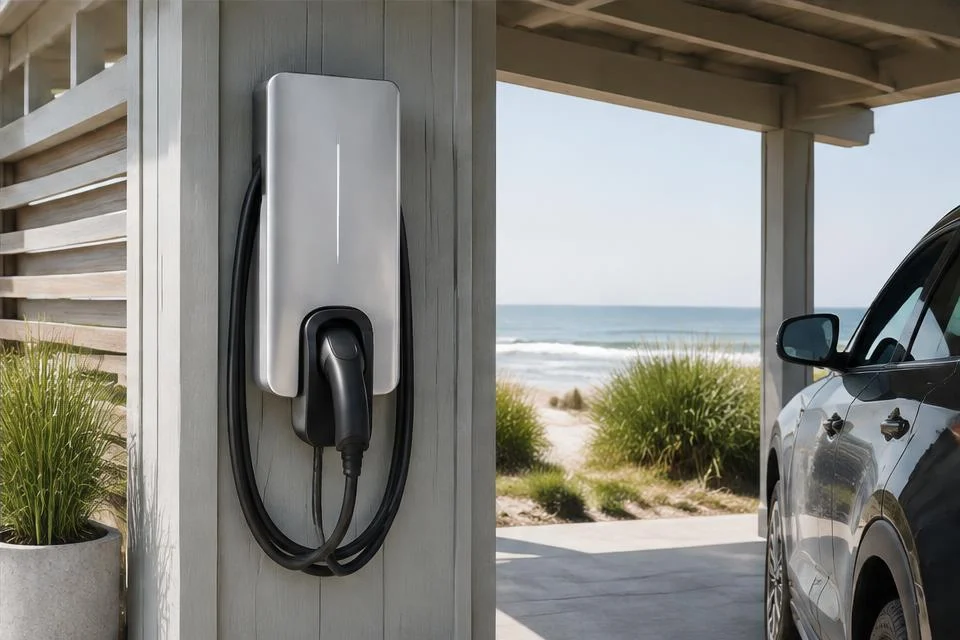
A covered charging area still needs equipment suitable for its actual moisture and weather exposure.
Original AI-generated illustration for EmergenServe; not a manufacturer photograph or completed installation.
AC adapters and DC adapters are not interchangeable
An adapter approved for a public DC fast charger should not be assumed suitable for a home AC wall connector. Likewise, an AC adapter does not establish DC-network access. Check the exact adapter’s direction, continuous-current rating, approvals, and vehicle manufacturer guidance. Do not stack adapters or choose an anonymous accessory simply because its plugs appear to fit. Charging compatibility involves electrical communication and permitted use, not just the shape of the connector.
For mixed-brand households, an integrated adapter can reduce the chance of a loose accessory being lost or left in another vehicle. Still verify access-control settings, vehicle compatibility, and instructions for the exact unit. Future-proofing is about making a sensible accommodation for likely vehicles, not purchasing the highest-amperage device or trusting an unqualified claim that a charger supports every EV under every circumstance.
Home EV Charger Brands: What Actually Sets Them Apart
Several reputable manufacturers offer suitable residential equipment. Compare the exact product rather than relying on a brand-wide claim about certification, outdoor durability, charging speed, or connectivity. Connector options, installation configurations, subscriptions, and energy-management accessories can change between generations.
Check connector compatibility and circuit capacity before choosing a home charging station.
Original AI-generated illustration for EmergenServe; not a manufacturer photograph or completed installation.
Tesla Wall Connector and Universal Wall Connector
Tesla’s standard NACS Wall Connector is a straightforward option for a compatible NACS vehicle. The Universal Wall Connector adds an integrated J1772 adapter, making it particularly useful where Tesla and J1772 vehicles share parking. Both product families include configurations supporting up to 48 amps, or roughly 11.5 kilowatts, when appropriately hardwired and commissioned. The integrated adapter is the meaningful distinction; a standard unit should not be mistaken for the Universal version.
Tesla equipment also offers app-connected functions and supported power-management configurations. Sharing available power between compatible Wall Connectors can serve multiple vehicles, but it must follow Tesla’s documented design and commissioning requirements. Features such as home backup require separate compatible vehicle, equipment, and installation arrangements; they are not automatically available because a wall connector has been installed. Decide whether you need simple charging, mixed-inlet convenience, or a specific supported energy-management setup.
When comparing ChargePoint, Autel, or other connected chargers, check scheduling, access controls, and Wi-Fi coverage. Equipment shown is illustrative.
Original AI-generated illustration for EmergenServe; not a manufacturer photograph or completed installation.
ChargePoint Home Flex
ChargePoint Home Flex offers adjustable output and connected scheduling with versions for different connector needs. Manufacturer guidance allows higher settings through hardwiring, while plug-in configurations have lower limits: 48- and 50-amp charging require hardwiring, and a typical NEMA 14-50 setup is limited to 40 amps. The word Flex refers to configurable installation options, not permission to change amperage beyond the circuit’s capacity.
This brand may appeal to owners who already use the ChargePoint public-charging app and want familiar energy reporting at home. Check the specific connector, cable reach, installation instructions, and warranty before ordering. Home Flex is residential equipment, not a substitute for a commercial station with tenant billing or payment processing. A rental property or employee parking project may need a different product even when the manufacturer’s name stays the same.
For Wallbox, Emporia, and other compact chargers, compare circuit requirements, load-management support, and cable length. Equipment shown is illustrative.
Original AI-generated illustration for EmergenServe; not a manufacturer photograph or completed installation.
Wallbox Pulsar Plus
Wallbox Pulsar Plus is attractive where a compact enclosure and supported multi-charger management matter. North American offerings include 40-amp and 48-amp configurations; confirm the connector and whether your selected version is plug-in or hardwired. Its small wall footprint can help in a narrow garage, although the cable still needs storage space and a safe route to the vehicle inlet.
Wallbox offers power-sharing and energy-management options, but these are distinct features with specific equipment and configuration requirements. Sharing a charging allocation between two vehicles is different from monitoring your entire home’s demand. If you want charging to respond to air-conditioning or electric cooking loads, make sure the quote includes the compatible monitoring hardware and supported control arrangement rather than only two wall units.
Select equipment approved for the installation environment and follow manufacturer mounting requirements.
Original AI-generated illustration for EmergenServe; not a manufacturer photograph or completed installation.
Emporia and Grizzl-E
Emporia is worth considering when price, energy visibility, and home-load coordination are priorities. Its residential charger offerings include up to 48-amp hardwired and 40-amp plug-in configurations, with connector choices depending on the product. Supported integration with Emporia energy-monitoring equipment can manage charging around household demand. Do not assume every charger package includes the monitor, all accessories, or the same management capabilities.
Grizzl-E offers a different proposition for buyers who prefer a rugged, straightforward unit. The Classic line focuses on basic charging without an app-centric experience, while other Grizzl-E products offer different features and output ratings. This distinction is useful when comparing products: a basic unit may suit a household that schedules charging inside the car, while a connected model may suit someone wanting charger-side reporting. Inspect the exact enclosure rating and installation guidance rather than treating rugged marketing as a guarantee against coastal corrosion.
Compare home AC charging needs separately from the vehicle’s advertised DC fast-charging capability.
Original AI-generated illustration for EmergenServe; not a manufacturer photograph or completed installation.
Enphase, Autel, and FLO
Enphase offers charging products associated with its wider home-energy ecosystem, including solar and storage. Some connected products support solar-aware charging with compatible Enphase equipment, while legacy or simpler units have different capabilities. An existing Enphase solar installation makes integration worth discussing, but it does not automatically mean every Enphase charger can prioritize excess solar without additional compatible hardware or configuration.
Autel MaxiCharger residential products offer combinations of app control, access management, and mounting choices. Certain models include RFID capabilities or a separate connector holster, useful when the charger is accessible to visitors or the wall unit cannot sit beside the charging port. Output and installation method vary; compare the actual Home or Elite product documentation rather than borrowing specifications from a commercial Autel station.
FLO’s residential range is another option for buyers emphasizing physical construction and outdoor use. G5, X5, and newer FLO Home products should be compared individually because connectivity and power specifications differ. Across all three brands, ask about warranty service, supported operating temperatures, cable flexibility, and local installation requirements. A premium price can purchase useful features, but the features should solve a problem at your home rather than merely add another app.
An outdoor charging location needs suitable equipment ratings, cable reach, and accessible parking.
Original AI-generated illustration for EmergenServe; not a manufacturer photograph or completed installation.
Porsche-branded charging equipment
Porsche owners can consider genuine equipment such as Mobile Charger Connect or Wall Charger Connect as well as compatible third-party EVSE. Portable and permanently mounted Porsche units are not interchangeable in output or installation requirements. Some US Wall Charger Connect configurations support up to 19.2 kilowatts, requiring an appropriately designed 80-amp charging installation on a conventional 100-amp circuit. That investment makes sense only if the vehicle’s onboard charger and your household demand justify it.
Porsche branding does not bypass the normal AC charging limits or turn an 800-volt battery into a home DC installation. A compatible third-party Level 2 charger can provide excellent everyday charging for a Taycan or Macan Electric. Review the vehicle’s model year, equipment package, connector, and owner guidance before buying. Owners choosing genuine equipment for appearance or integration should still compare cable length, mounting, electrical requirements, and service support.
Planning Home Charging for High-End Electric Vehicles
Plan home AC charging around your vehicle’s onboard charger and overnight parking routine.
Original AI-generated illustration for EmergenServe; not a manufacturer photograph or completed installation.
Porsche Taycan and Macan Electric
The Taycan’s performance and the Macan Electric’s SUV practicality create different driving patterns, but both benefit from dependable overnight AC charging. Their high-voltage battery architecture is primarily relevant to fast-charging performance away from home. Many configurations use an onboard AC charger around 11 kilowatts; certain Taycan configurations offer higher AC capability. Verify your individual vehicle’s equipment instead of applying a Taycan option to every Macan or every model year.
For most daily routines, a correctly designed 40- or 48-amp Level 2 installation can replace commuting energy while the vehicle is parked. A higher-output installation is worth evaluating for a verified higher-capability Taycan used heavily every day, not simply because the car is expensive. Consider where the vehicle inlet sits relative to the garage wall, whether you park nose-in or reverse-in, and whether a second household vehicle must use the same equipment.
A dedicated Level 2 circuit can replenish everyday driving during an overnight charging window.
Original AI-generated illustration for EmergenServe; not a manufacturer photograph or completed installation.
BMW i4, BMW iX, and Mercedes-Benz EQS
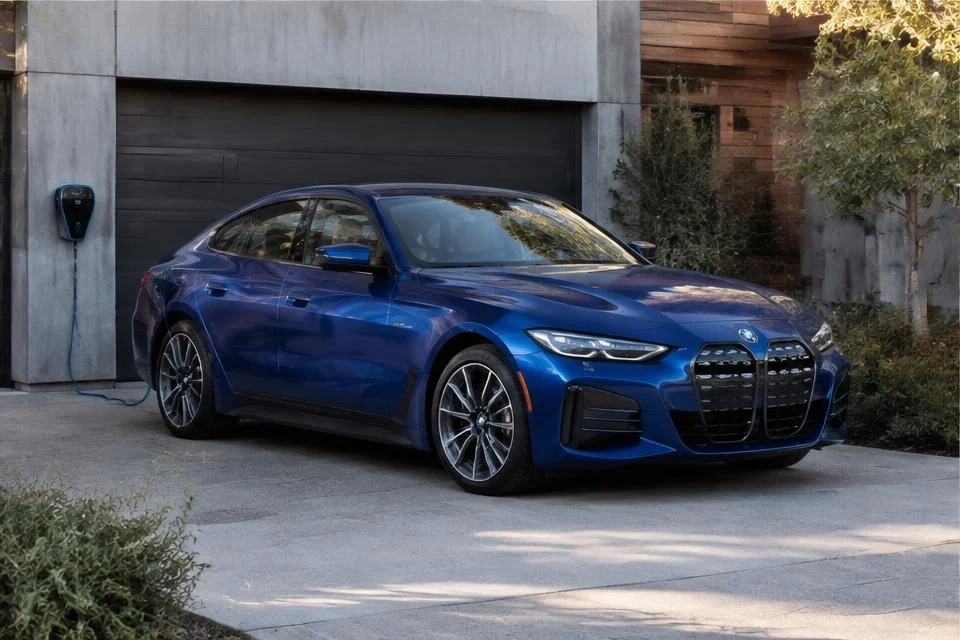
BMW i4 and iX owners should match equipment to the vehicle’s documented AC capability and their mileage. Common configurations have AC limits around 11 kilowatts, making a 48-amp-capable residential unit a useful option when the electrical system supports it. The larger iX may use more energy per mile than a sedan, so an identical commute can create different overnight energy needs even with similar onboard charger limits.
The Mercedes-Benz EQS combines a large battery with luxury comfort, but battery size alone does not establish the required charger output. US AC capability varies by model and year, and some configurations are limited near 9.6 kilowatts. A 48-amp wall unit cannot raise a vehicle’s lower limit. Confirm the owner documentation, then choose a circuit that balances daily recovery, future vehicle plans, and available service capacity without overselling charging speed.
Size your charging setup around daily miles rather than the vehicle’s maximum public charging rate.
Original AI-generated illustration for EmergenServe; not a manufacturer photograph or completed installation.
Lucid Air, Rivian R1S, and Tesla
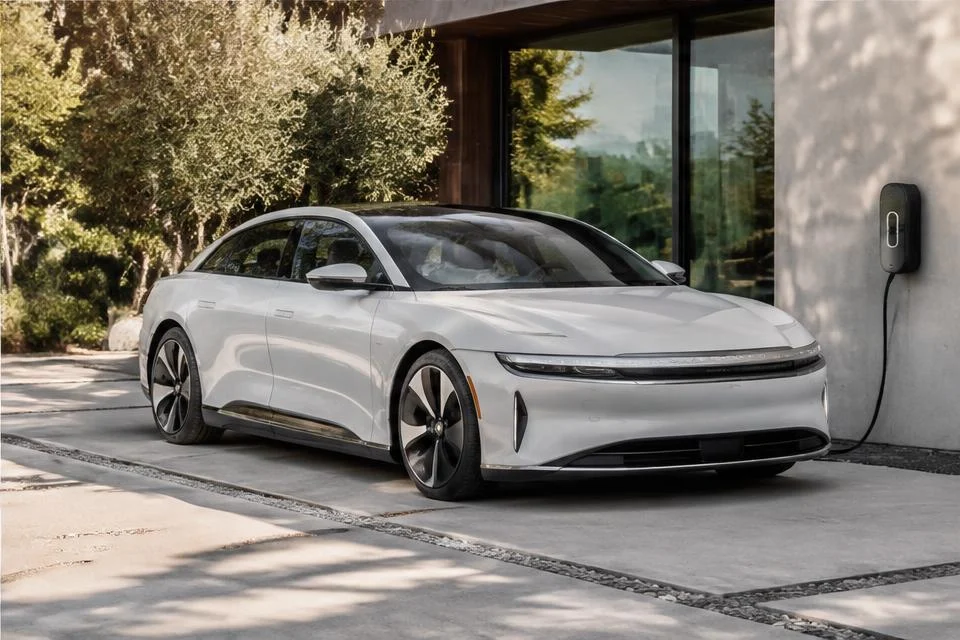
Lucid Air charging capability differs by trim and year: some configurations support unusually high residential AC power, while others have lower onboard limits. Efficient driving can make daily charging needs modest even when the car has a large battery. Evaluate actual weekly mileage before specifying a high-amperage installation. A long-range badge does not mean the entire battery must be replenished every night, and a higher-output wall charger cannot overcome a lower onboard limit.
Rivian R1S owners should consider SUV energy consumption, towing, weekend travel, and the available overnight window. Many R1S configurations support approximately 11.5-kilowatt AC charging, making a properly designed 48-amp installation relevant for regular use. Tesla owners also need to verify their particular model’s AC limit rather than assuming all Teslas accept the same output. For either brand, a native or appropriately approved connector arrangement and reliable cable access matter more day to day than advertised peak public fast-charging power.
Two EVs, Smart Controls, and a Practical Purchase Checklist
Electric truck charging plans should consider daily mileage, towing use, and the time available at home.
Original AI-generated illustration for EmergenServe; not a manufacturer photograph or completed installation.
Load sharing versus whole-home energy management
Charger-to-charger load sharing allocates a defined charging budget among compatible units. Whole-home energy management instead monitors household demand and adjusts charging within an approved arrangement. A two-car household may benefit from one or both, but the terms are not interchangeable. Installing two chargers does not automatically require a particular service size; a proper load calculation and supported management design determine what is feasible.
If two cars share limited power, each may charge more slowly while both are active, with more power becoming available when one finishes. Your overnight window must still cover the combined energy demand. Ask the installer how the system behaves if communication is lost, whether settings are protected, and what accessories are required. The design must remain safe when the internet is unavailable or other large household loads operate.
Installation planning includes equipment selection, an electrical load calculation, and commissioning checks.
Original AI-generated illustration for EmergenServe; not a manufacturer photograph or completed installation.
Safety, location, and connected features
Check that the exact charger carries a recognized testing laboratory listing appropriate to the equipment, such as UL or ETL, and obtain the manufacturer’s installation manual before purchasing. A logo in an online advertisement is not sufficient proof of a specific model’s listing. Also review outdoor enclosure ratings, operating temperatures, mounting instructions, and warranty conditions. Charleston humidity, wind-driven rain, salt exposure, and flood-prone locations warrant careful siting rather than a generic promise of weatherproofing.
Measure the cable route from the proposed wall unit to the vehicle’s inlet while the car is parked normally. Account for another vehicle, garage doors, pedestrian routes, and future parking arrangements. Keep the connector and cable stored off driving and walking paths. Do not plan around extension cords or an adapter chain. For outdoor parking, choose a mounting arrangement and location consistent with manufacturer instructions and applicable local requirements.
Finally, decide which smart features you will actually use: scheduling, energy reports, access control, solar coordination, or load management. Ask what works without Wi-Fi, what requires cloud access, and whether subscriptions apply; behavior varies by model and firmware. Avoid conflicting schedules in the car and charger that leave neither willing to start. A complete quote should identify the equipment, circuit work, management accessories, permitting, commissioning, and any restoration separately so you can compare installations fairly.
Charger Brand & Compatibility FAQs
Is Level 1 charging enough for a daily commuter?
It can be enough for a short commute when the vehicle remains plugged in for many hours, but typical 120-volt charging adds only a few miles of range per hour. Compare your daily mileage and charging window; Level 2 offers substantially faster recovery on a suitable dedicated 240-volt circuit.
Does a Porsche Taycan require a Porsche-branded home charger?
No. A compatible, properly installed third-party Level 2 charger can charge a Taycan. Verify the vehicle’s connector, model year, onboard AC charger, and owner guidance. Porsche-branded equipment is an option, not a requirement for normal home AC charging.
Can one charger serve a Tesla and a J1772 electric vehicle?
Yes, with equipment designed for both connector types or an explicitly approved AC adapter arrangement. Tesla’s Universal Wall Connector includes an integrated J1772 adapter. A public DC fast-charging adapter is not interchangeable with a home AC adapter; verify both vehicles’ requirements.
Will a 48-amp charger always charge faster than a 40-amp charger?
Only if the vehicle accepts the extra AC power and the circuit and charger settings allow it. A vehicle limited to approximately 9.6 kilowatts will not charge faster simply because a wall unit can supply 11.5 kilowatts. Load-management settings can also reduce output.
Can two EV chargers use my existing electrical service?
Possibly. An electrical load calculation, driving needs, and compatible load-sharing or whole-home energy-management equipment determine feasibility. Two chargers do not automatically require a service upgrade, but available panel spaces alone do not prove that your service can support them.
Plan Your Charleston Home Charging Setup
Bring your vehicle model and year, charger shortlist, parking location, and typical daily mileage to your installation discussion. Explore electrical panel upgrades if capacity is limited, or whole-home surge protection for sensitive charging equipment. See local charging installation information for Mount Pleasant and Summerville.
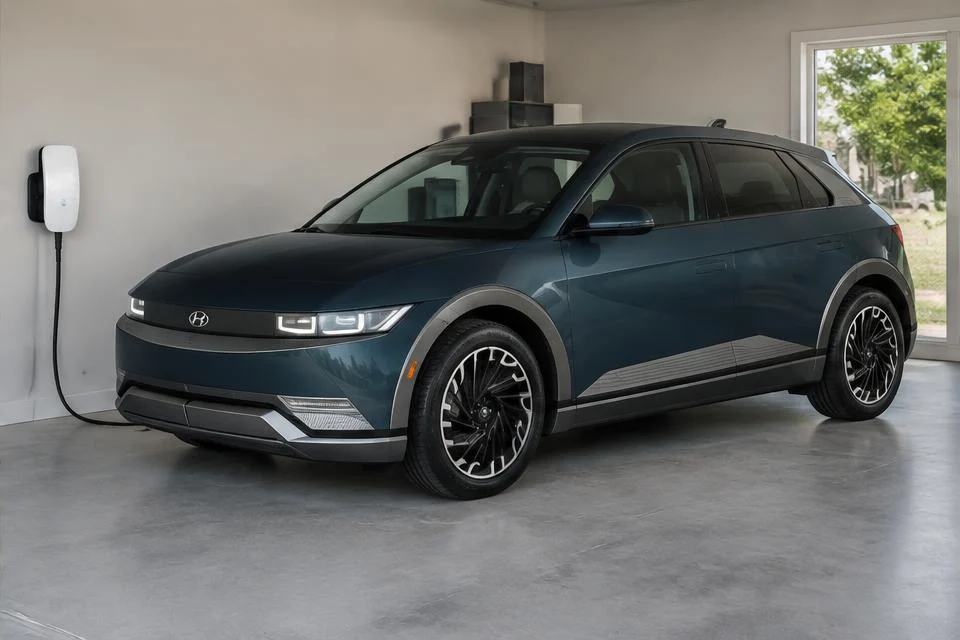
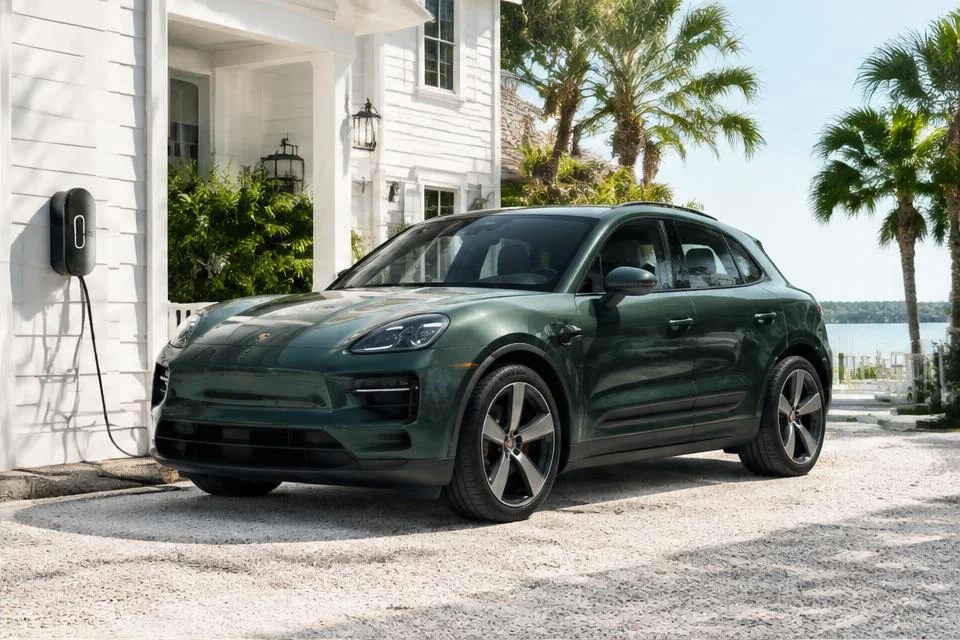
Vehicle images are original AI-generated illustrations, not manufacturer photographs or EmergenServe installation projects. Brand names belong to their respective owners; inclusion does not imply an affiliation or endorsement. Confirm actual vehicle and equipment specifications by model, market, and year.
EV Charging Ideas for Charleston Homes & Businesses
Home wall chargers, outdoor charging locations, workplace stations, and electric vehicle charging inspiration. Original AI-generated illustrations, not completed EmergenServe projects or official manufacturer product photographs. Vehicle and charger details are illustrative; confirm specifications for your exact equipment.
Home EV Charger Equipment
Charging Levels & Installation Planning
Workplace Level 2 charging
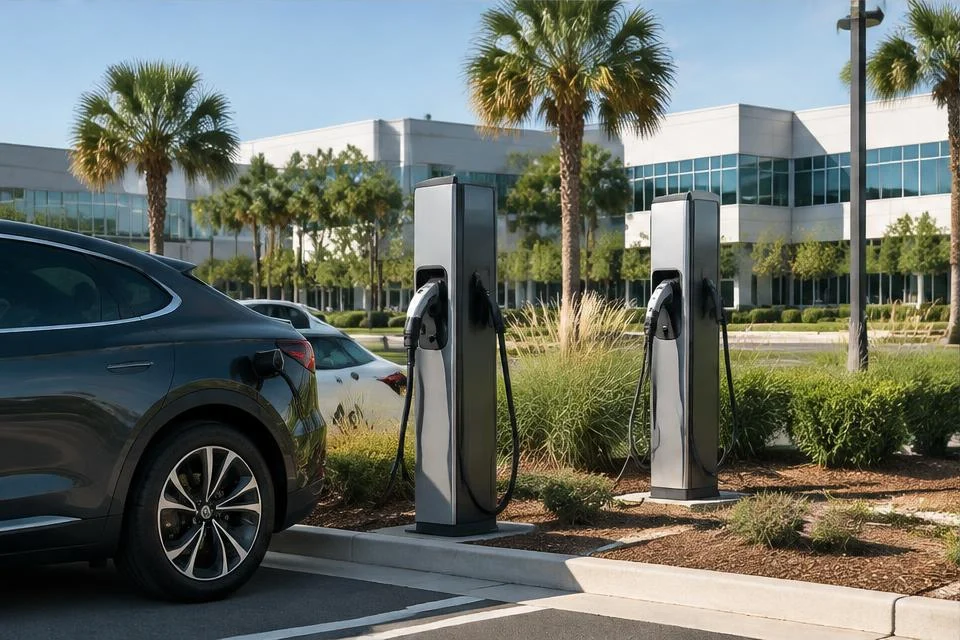
Workplace charging design considers parking duration, accessibility, power sharing, and future expansion.
Premium Electric Vehicle Charging Inspiration
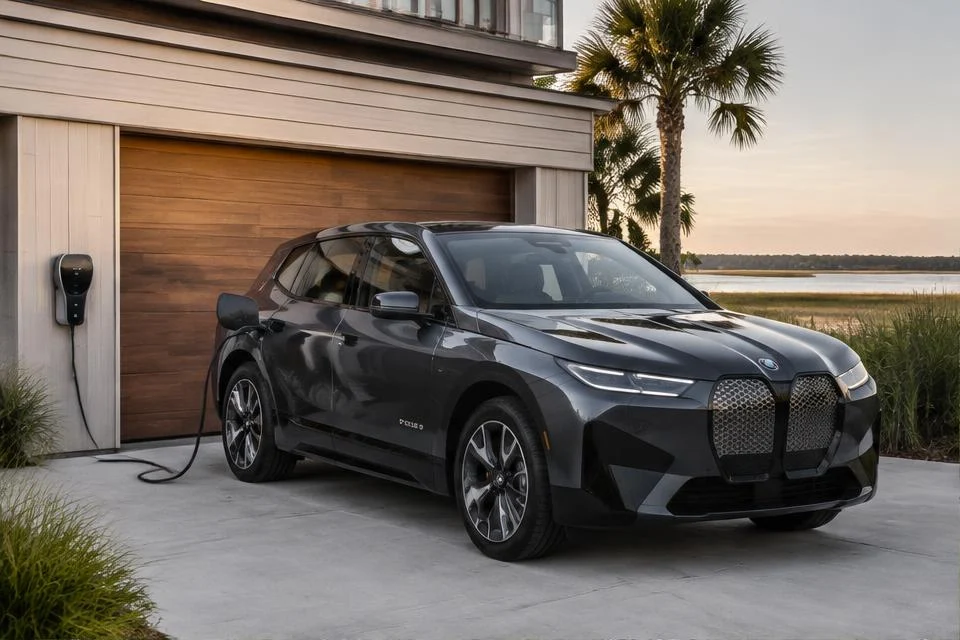
BMW iX charging inspiration
Larger electric SUVs benefit from a charging plan that considers battery capacity and available panel headroom.
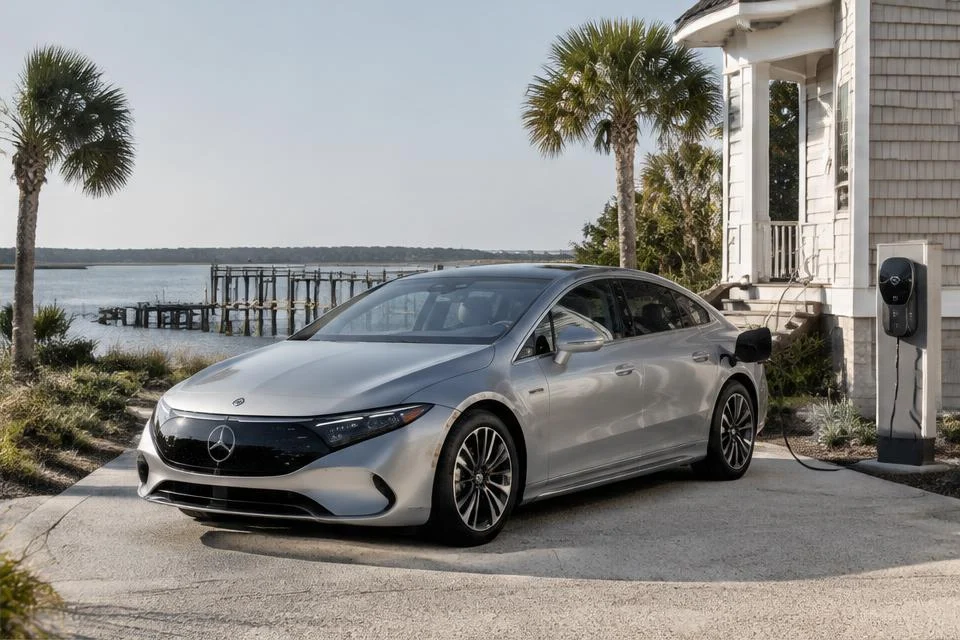
Mercedes-Benz EQS charging inspiration
Choose the charger connector and output for your exact vehicle model year and market.
Rivian R1S charging inspiration
Pedestal placement can bring charging closer to a driveway parking space without stretching the cable.
Level 2 EV charger installation in Charleston is more than mounting a Tesla Wall Connector on the garage wall. It is a load calculation against the existing panel, a dedicated 40A or 60A circuit sized to the vehicle, a county permit, and an inspection. Here is the deeper look at how a Charleston EV charger installer actually delivers the work.
Panel Load Calculation Before The Circuit
Every Charleston EV charger install starts with a NEC 220 load calculation against the existing service. A Tesla Wall Connector on a 60A circuit adds 48A of continuous load. On a 200A service with electric heat, an electric water heater, and a heat pump, that math sometimes forces a load-management module or a service upgrade to 320A or 400A. We tell you which one your panel needs before pulling the first wire.
NEC 220 load calc against existing service
Tesla Wall Connector, ChargePoint Home Flex, Rivian, JuiceBox, ClipperCreek
40A or 60A dedicated circuit sized to the vehicle
Load-share or load-management modules for dual-charger setups
Whole-home battery or solar coordination when applicable
County permit and inspection attendance
Charleston, Berkeley & Dorchester County Permits
Every hard-wired EV charger install in the Lowcountry requires an electrical permit. We file with the correct county (Charleston, Berkeley, or Dorchester) based on the property address, coordinate the inspection, and hand over the signed inspection card at close-out. Insurance and utility rebate paperwork (Dominion Energy EV rebate, Berkeley Electric Cooperative co-op programs) is filed on your behalf when the program is active.
Multi-Vehicle & Home Battery Coordination
Two-EV households on Daniel Island, Kiawah, and Mount Pleasant increasingly need dual chargers with a load-share module so both cars can charge overnight without upsizing the service. Households with Tesla Powerwall, Enphase IQ, or Franklin WH batteries need the EV charger routed through a managed-load subpanel so the battery is not drained by the car during an outage. We handle both configurations.
Frequently Asked Questions
How much does Tesla Wall Connector installation cost in Charleston?
Most Charleston Tesla Wall Connector installs run $700 to $1,500 for a straightforward garage install on an adequately sized 200A service. Longer conduit runs, panel upgrades, or exterior installs raise the number. Free written estimate on-site.
Do I need a permit for a Level 2 EV charger in Charleston?
Yes. Every hard-wired Level 2 EV charger install in Charleston, Berkeley, or Dorchester County requires an electrical permit and inspection. We file, schedule, and attend.
Can you install an outdoor EV charger for a driveway install?
Yes. Outdoor Level 2 EV chargers get a NEMA 4X or listed outdoor-rated enclosure, weatherproof-in-use cover, direct-burial conduit or PVC-conduit run, and GFCI where the charger requires it.
Charleston EV Charger Search Terms
ev charger installation charleston sc · tesla wall connector installer charleston · level 2 ev charger charleston · chargepoint installer charleston · rivian charger installer charleston · ev charger mount pleasant · ev charger summerville · ev charger daniel island · tesla powerwall ev integration charleston · dominion energy ev rebate charleston · outdoor ev charger charleston · dual ev charger installer charleston · nema 14-50 outlet installer charleston · electric vehicle wiring charleston sc
Related Electrical Services
Explore the other services our Charleston electricians deliver across the Lowcountry.
SC Commercial Contractor License #M118613. Active general liability and workers' comp coverage. COI sent to your GC, HOA, or closing attorney the same day you ask.
5.0-Star Google Rated
Google Screened and BBB Accredited with 33 real Google reviews from Charleston, Mount Pleasant, Summerville, and across the Lowcountry.
Upfront Flat-Rate Pricing
Every job is priced before we lift a tool. No clock running, no surprise add-ons, no guessing what the bill will look like when we're done.
100% Satisfaction Guarantee
If something isn't right, we come back and fix it. Workmanship stands behind every breaker, outlet, fixture, and panel we install.
Home EV charger installation runs a dedicated 240-volt circuit from your panel to a NEMA 14-50 outlet or hardwired Level 2 charger for your Tesla, Rivian, Ford, or other EV.
We handle everything from load calc to permit to final inspection so your charger is safe, warrantied, and eligible for Dominion Energy rebates.
Signs You Need It Now
You just bought an EV and the mobile connector is not keeping up
You want overnight full charges instead of trickle from a wall outlet
You have a second EV coming and need load management
You are installing solar and want the charger tied to the same panel
Our Process
01Panel load calc to confirm the circuit fits your existing service
02Charger and outlet placement walk with the driveway route
03Permit and Dominion rebate paperwork prepared for you
04Circuit run, breaker install, and charger commissioning
05Test charge with your car and a walkthrough of the app
Project Considerations for the Lowcountry
·Some Charleston panels need an upgrade first, we quote both if needed
·Long runs from garage to detached panel can add conduit and trenching cost
·Load management or a DCC device can avoid a panel upgrade in some homes
·Tesla Wall Connector and Universal Wall Connector both supported
EV Charger Installation FAQs
How much does a Level 2 install cost in Charleston?
Most straightforward Charleston installs land between $650 and $1,400 depending on the panel run.
Do I need a permit?
Yes, every AHJ in the tri-county requires a permit for a new 240-volt circuit.
Do you install Tesla Wall Connectors?
Yes, and we are certified to install the Tesla Universal Wall Connector too.