He was very quick to react, even on a Sunday evening, and was here Monday morning with an estimate and came at 3 PM that afternoon to get my electric vehicle charger installed. Very friendly great service.
Nat Wallen
2 weeks ago

Licensed Level 2 EV Charger Installer
Sullivan's Island Level 2 EV charger installs built for salt air. Stainless NEMA 4X enclosures, elevated service equipment, permitted and Town inspected.
How much does a Level 2 EV charger installation cost in Sullivan's Island, SC?
EV charger installation pricing depends on the charger, circuit length, panel capacity, mounting location, and any trenching, load management, service upgrade, permits, or inspection work. We provide a free written project estimate with equipment and included work identified separately. Send photos and project details for an estimate without a required onsite visit.
(843) 754-1671, available 24/7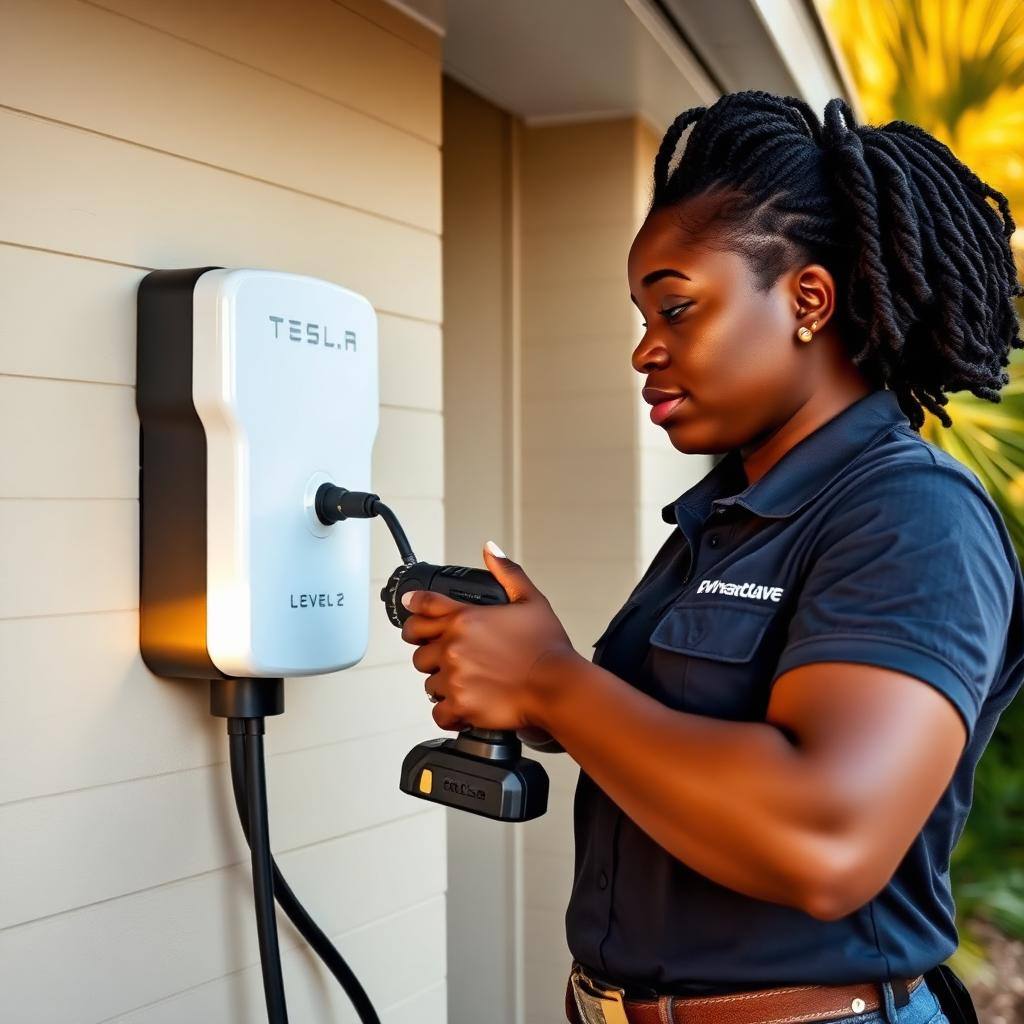
Sullivan's Island installs are coastal installs first and EV installs second. Salt spray attacks meter bases, breakers, and charger enclosures faster here than anywhere else in the tri county area, so we specify stainless NEMA 4X enclosures, marine grade fittings, and hardwired connections rather than exposed receptacles on any exterior wall.
Many Station area homes have been raised or renovated, and service equipment sits at or above base flood elevation. When an EV circuit is added we verify that the panel, disconnect, and charger all sit above the flood plane and that conductors entering the structure are properly sealed and supported.
Historic and architectural review sensitivity is real on the island. We plan conduit routes that stay off street facing elevations wherever possible, using interior runs and rear elevations so the finished install disappears visually while remaining fully accessible for service.
Level 2 EV charger installs in Sullivan's Island succeed or fail on the NEC load calculation. A charger configured for 48A charging commonly uses a 60A circuit. We assess existing loads and available capacity before installation; the panel rating alone does not establish whether charging is safe.
When Sullivan's Island panels lack available capacity, a suitable listed load-management system may avoid a service upgrade. Where calculated load or equipment condition requires an upgrade, we combine the upgrade with the EV circuit in a single permitted project.
The written Sullivan's Island EV installation scope identifies the charger, circuit, labeling, testing and documentation. We assess whether existing surge protection is suitable or a Type 2 device should be added; it is not automatically included in every quote and cannot guarantee protection from a direct lightning strike. Most straightforward home installations finish in an afternoon. Trenching, panel work, finish restoration, permits, and inspections can extend the overall schedule.
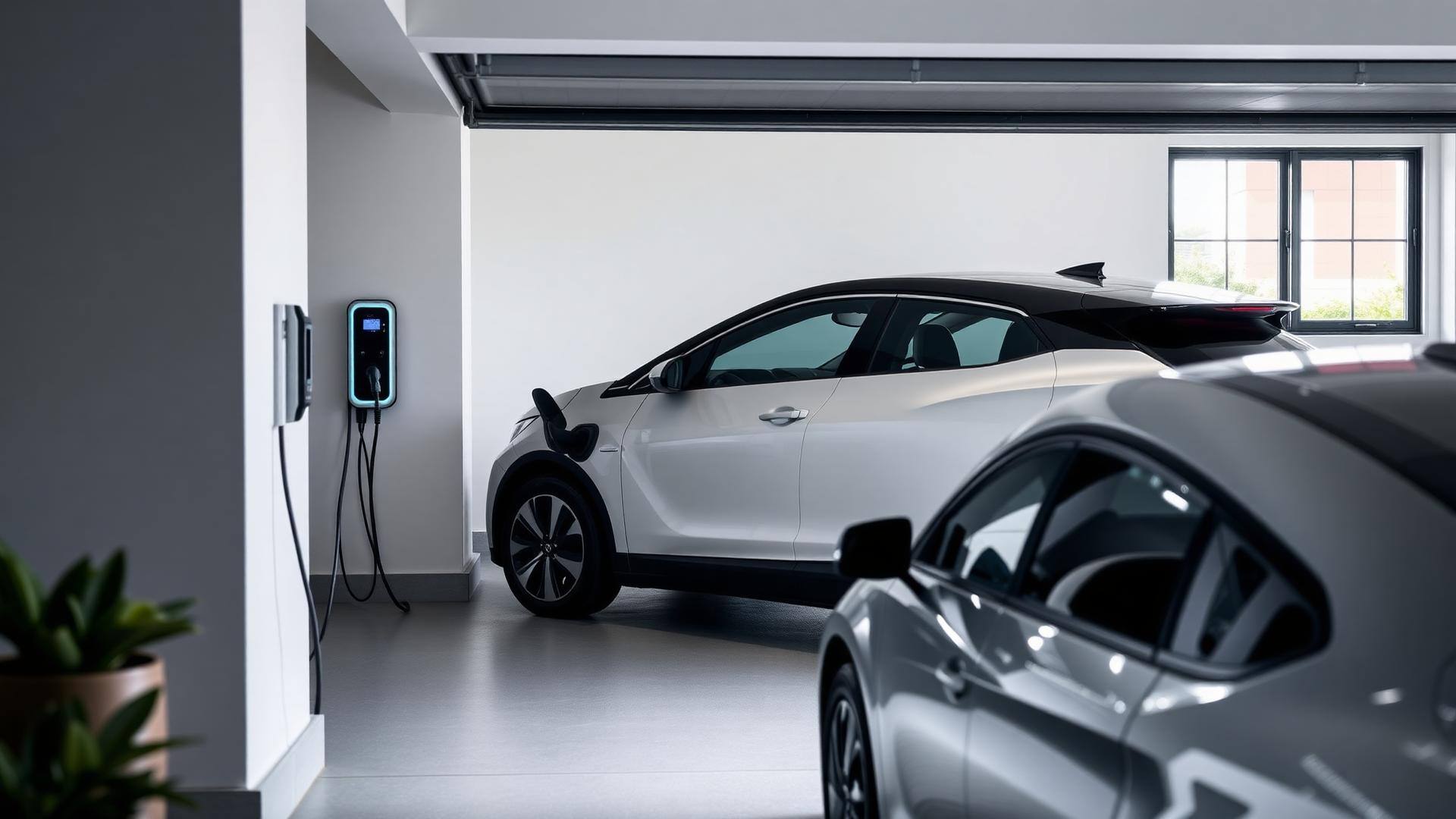
Home wall chargers, outdoor charging locations, workplace stations, and electric vehicle charging inspiration. Original AI-generated illustrations, not completed EmergenServe projects or official manufacturer product photographs. Vehicle and charger details are illustrative; confirm specifications for your exact equipment.
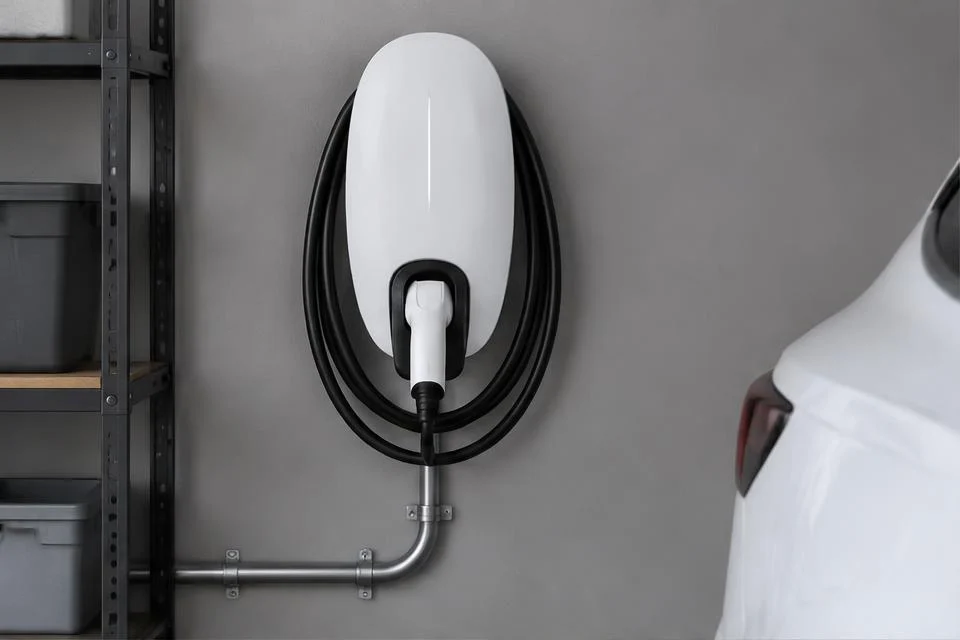
Hardwired Level 2 wall charging
A wall-mounted charging station keeps equipment within reach while preserving garage floor space.
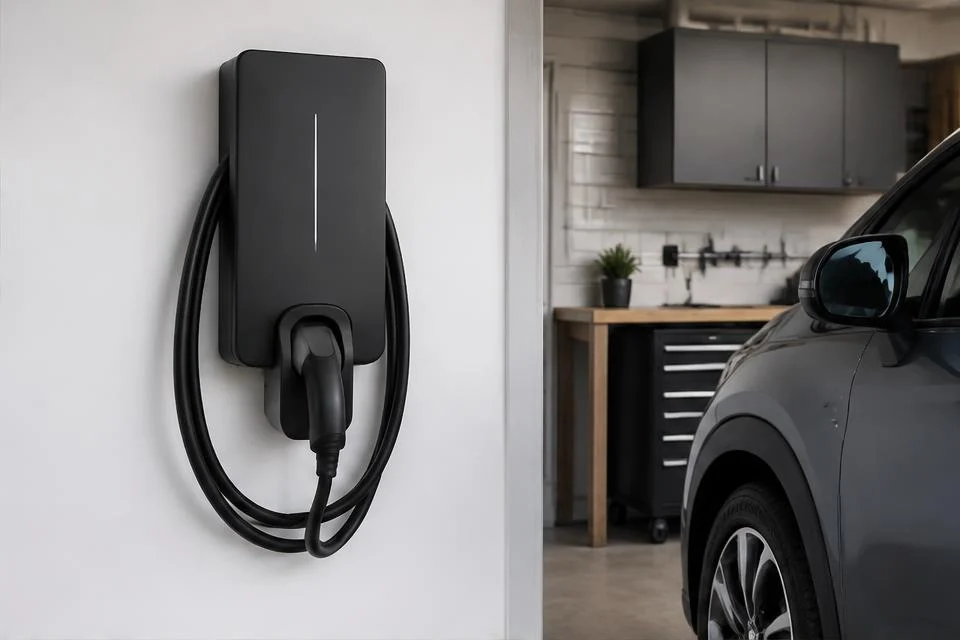
Connected home charging equipment
When comparing ChargePoint, Autel, or other connected chargers, check scheduling, access controls, and Wi-Fi coverage. Equipment shown is illustrative.
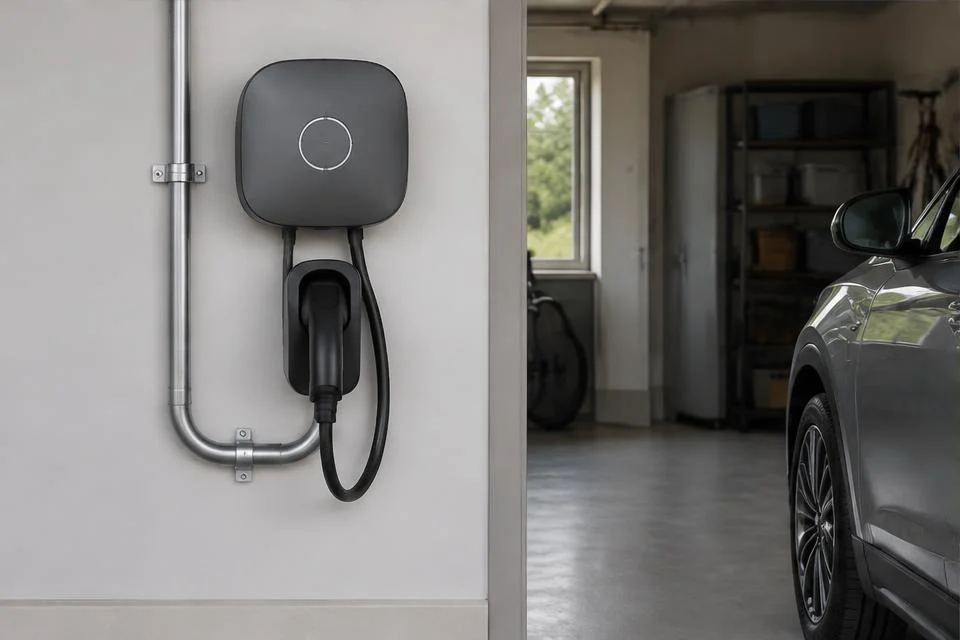
Compact smart charger planning
For Wallbox, Emporia, and other compact chargers, compare circuit requirements, load-management support, and cable length. Equipment shown is illustrative.
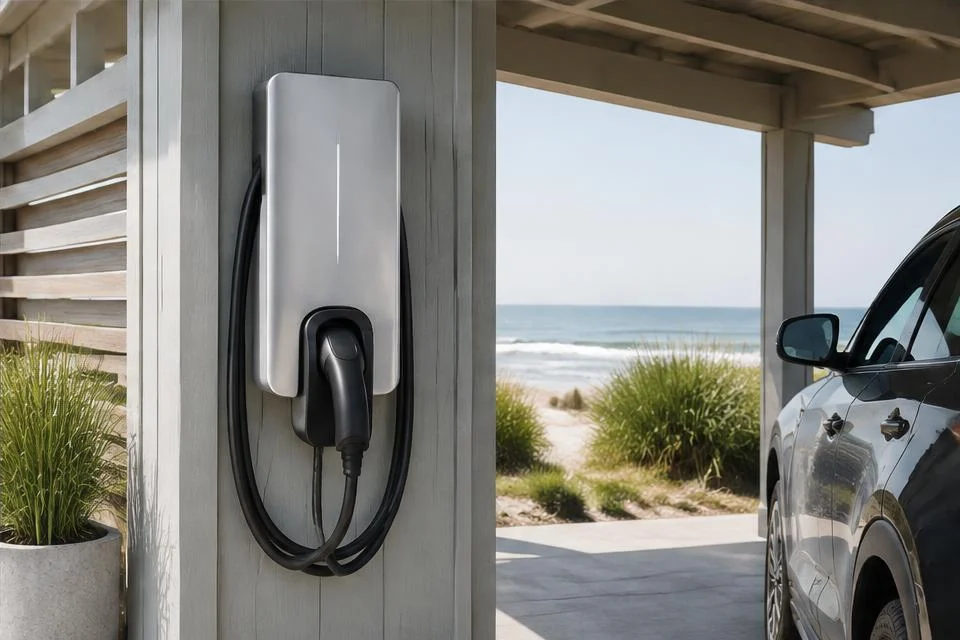
Outdoor-rated charging placement
Select equipment approved for the installation environment and follow manufacturer mounting requirements.
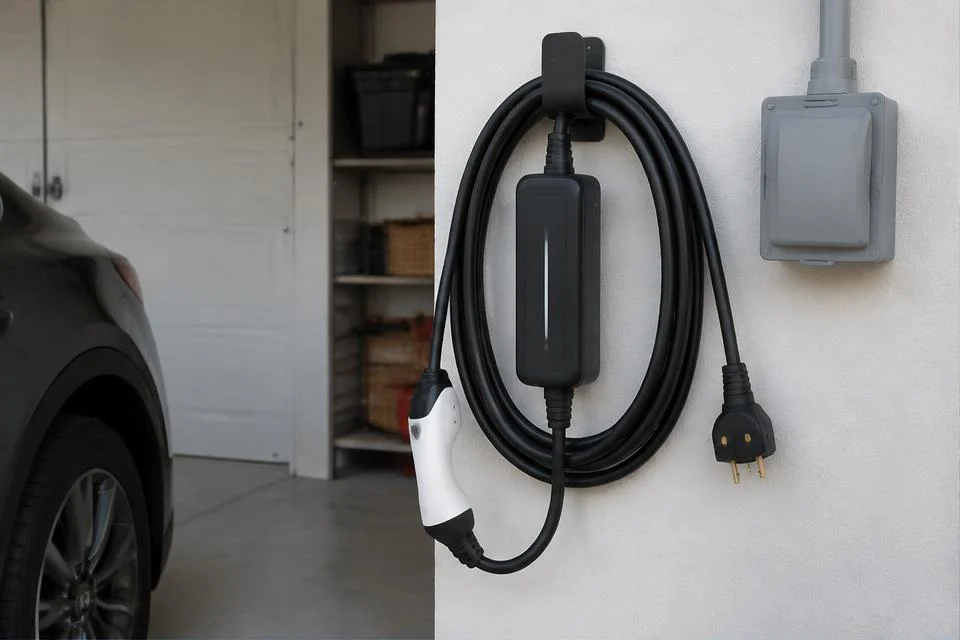
Portable Level 1 charging
Level 1 charging uses a compatible household outlet; an electrician should assess the circuit, receptacle condition, and sustained load.
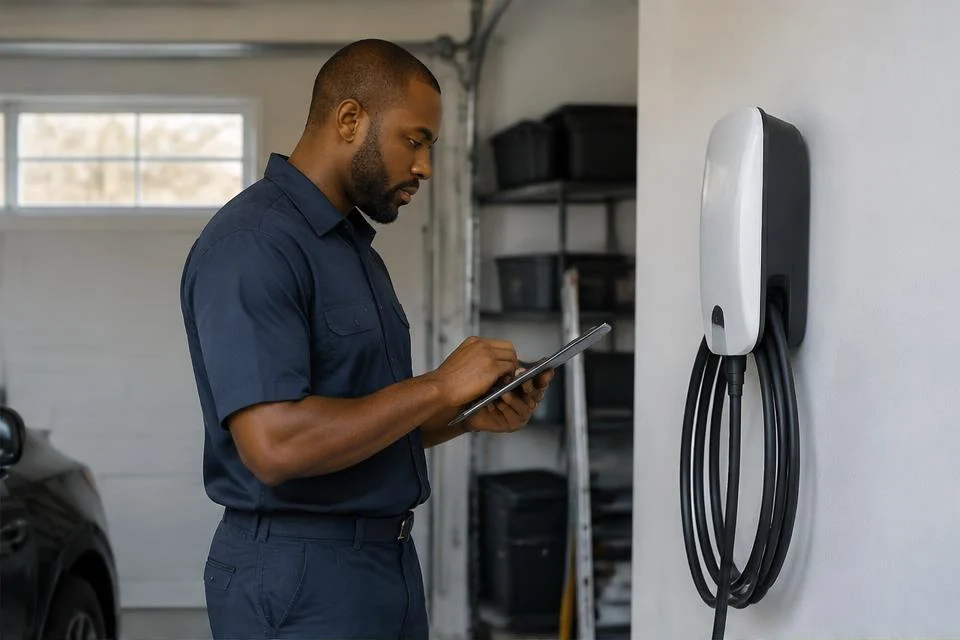
EV charging assessment
Installation planning includes equipment selection, an electrical load calculation, and commissioning checks.
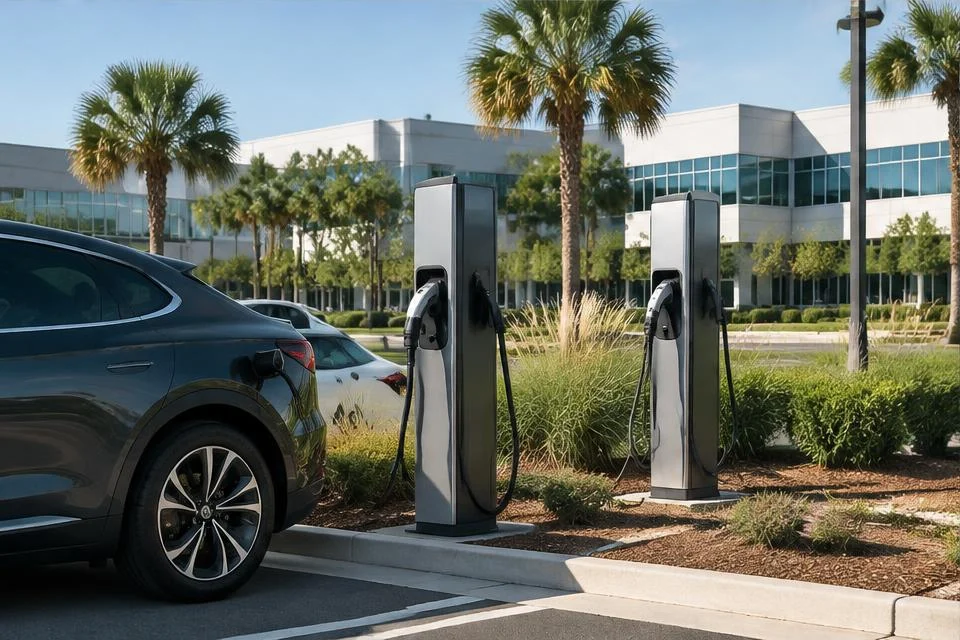
Workplace Level 2 charging
Workplace charging design considers parking duration, accessibility, power sharing, and future expansion.
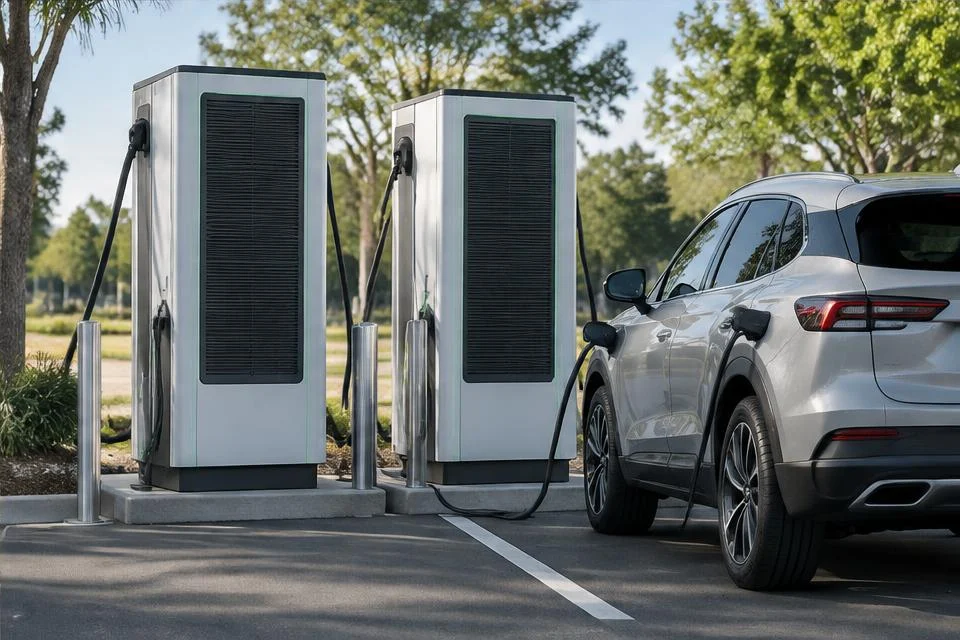
Public DC fast charging
DC fast charging serves road-trip and high-turnover sites and requires different infrastructure from residential Level 2 charging.
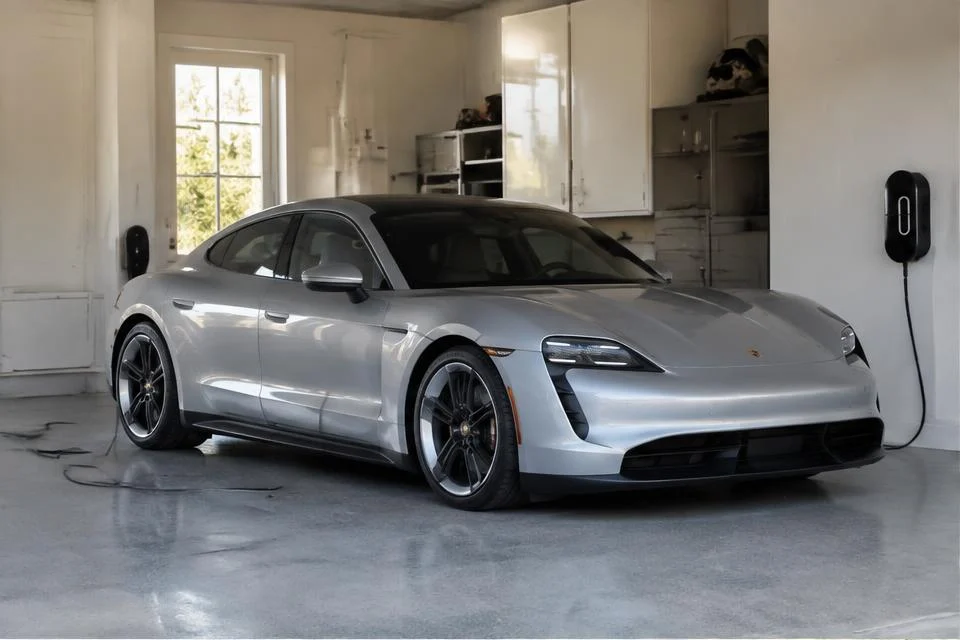
Porsche Taycan charging inspiration
Plan home AC charging around your vehicle’s onboard charger and overnight parking routine.
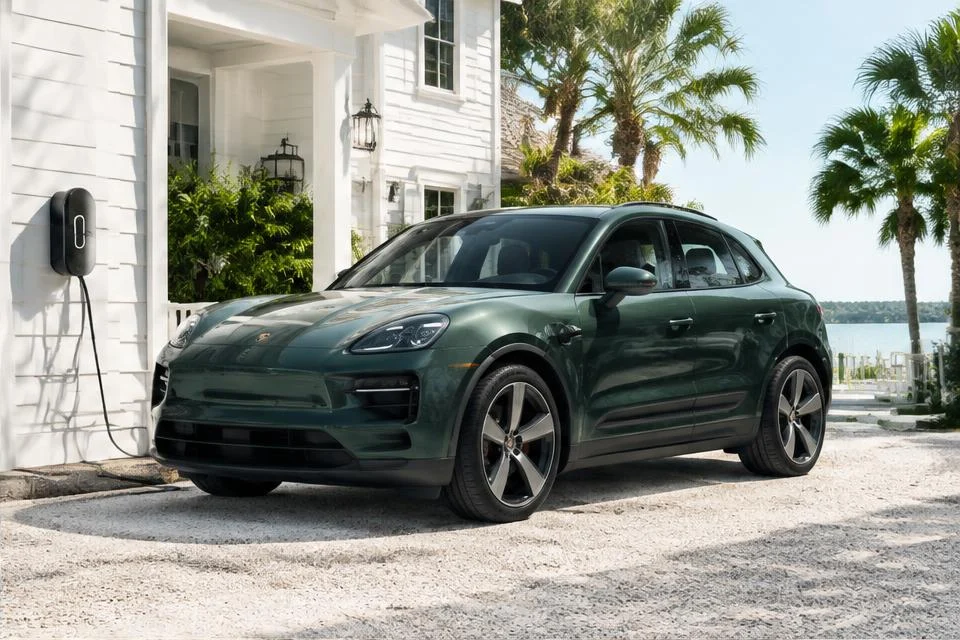
Porsche Macan Electric charging inspiration
An outdoor charging location needs suitable equipment ratings, cable reach, and accessible parking.
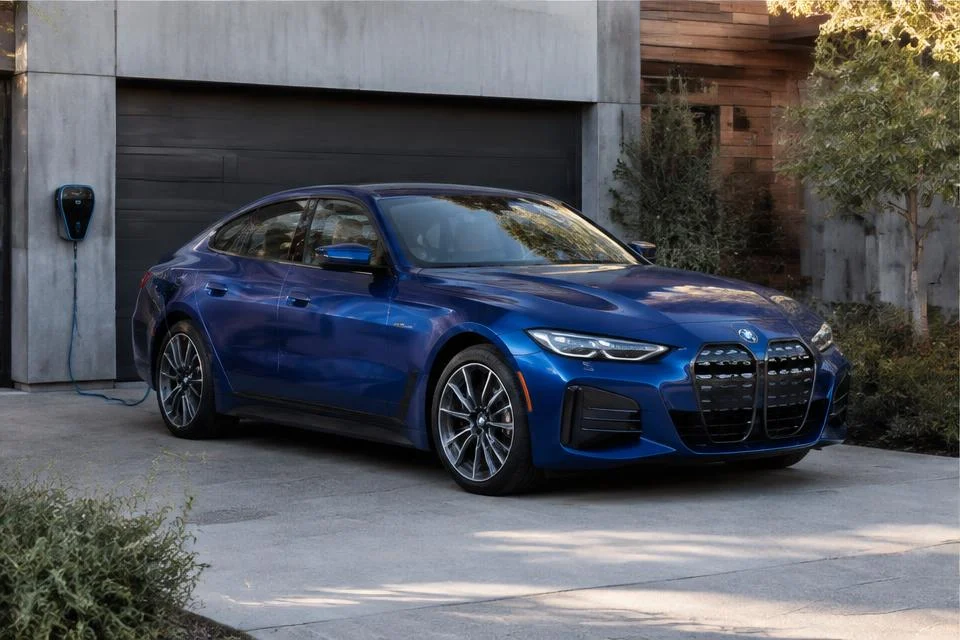
BMW i4 home charging inspiration
A dedicated Level 2 circuit can replenish everyday driving during an overnight charging window.
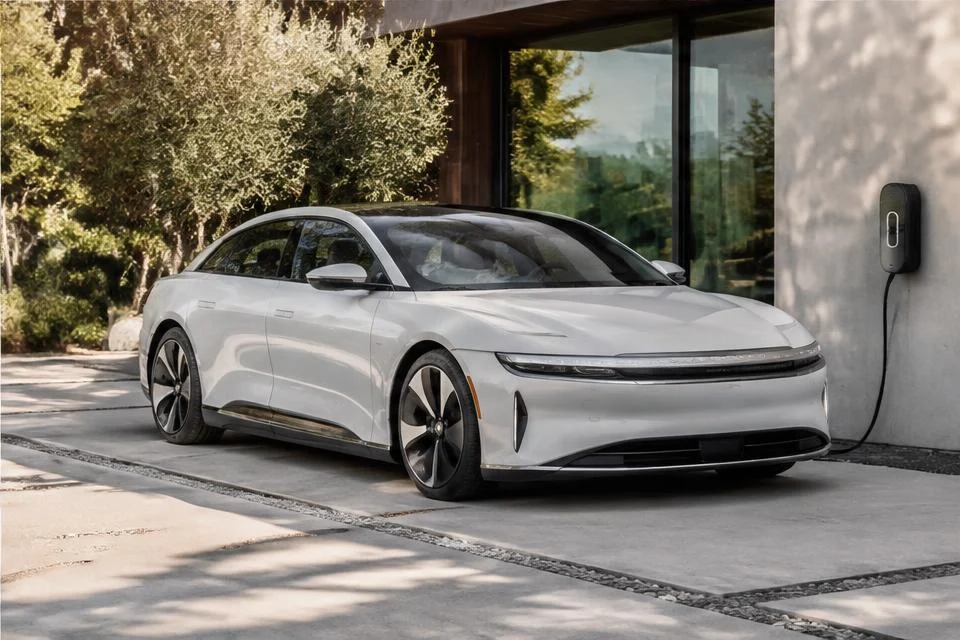
Lucid Air charging inspiration
Size your charging setup around daily miles rather than the vehicle’s maximum public charging rate.
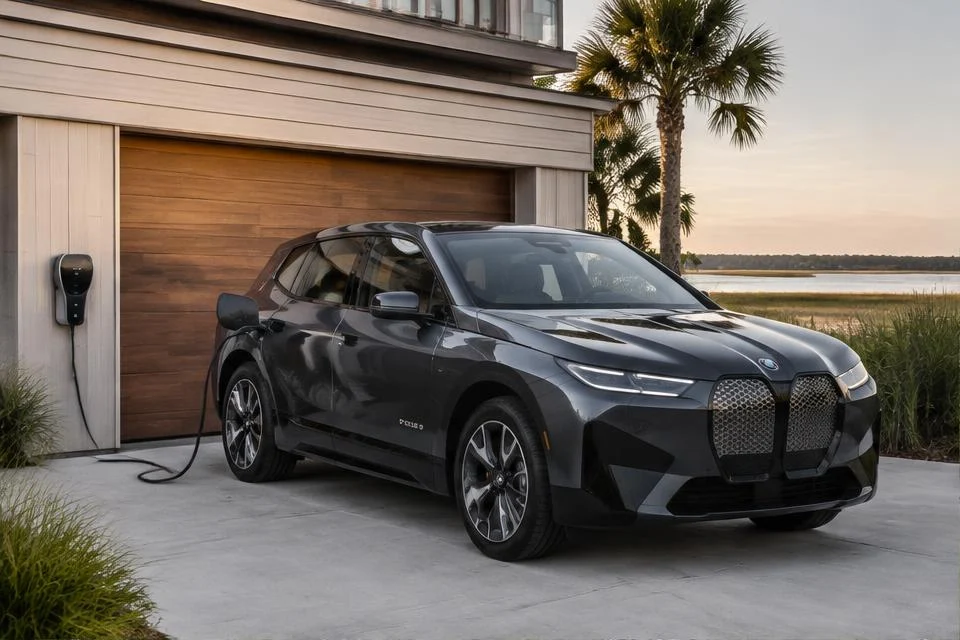
BMW iX charging inspiration
Larger electric SUVs benefit from a charging plan that considers battery capacity and available panel headroom.
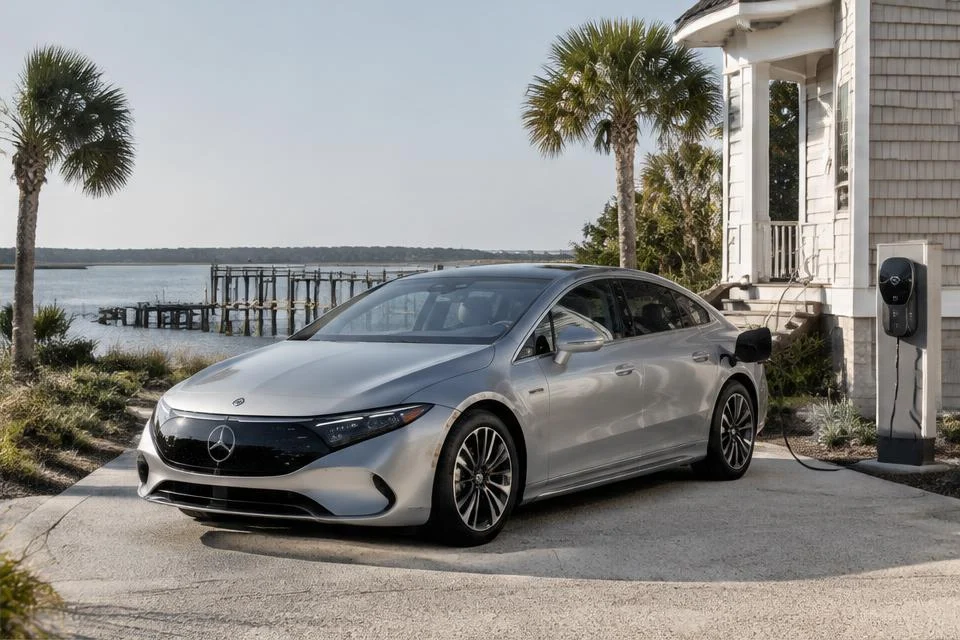
Mercedes-Benz EQS charging inspiration
Choose the charger connector and output for your exact vehicle model year and market.
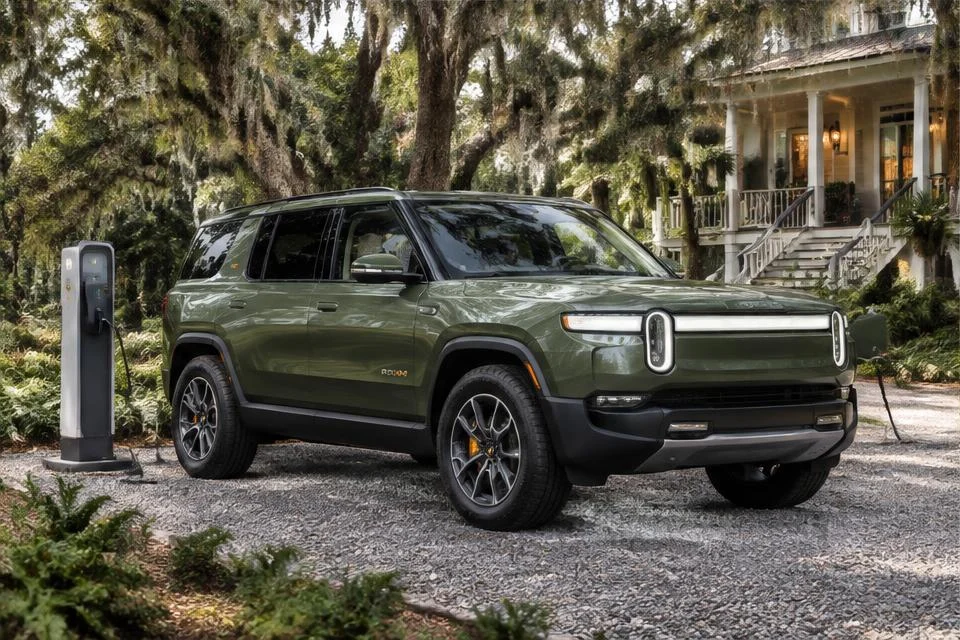
Rivian R1S charging inspiration
Pedestal placement can bring charging closer to a driveway parking space without stretching the cable.
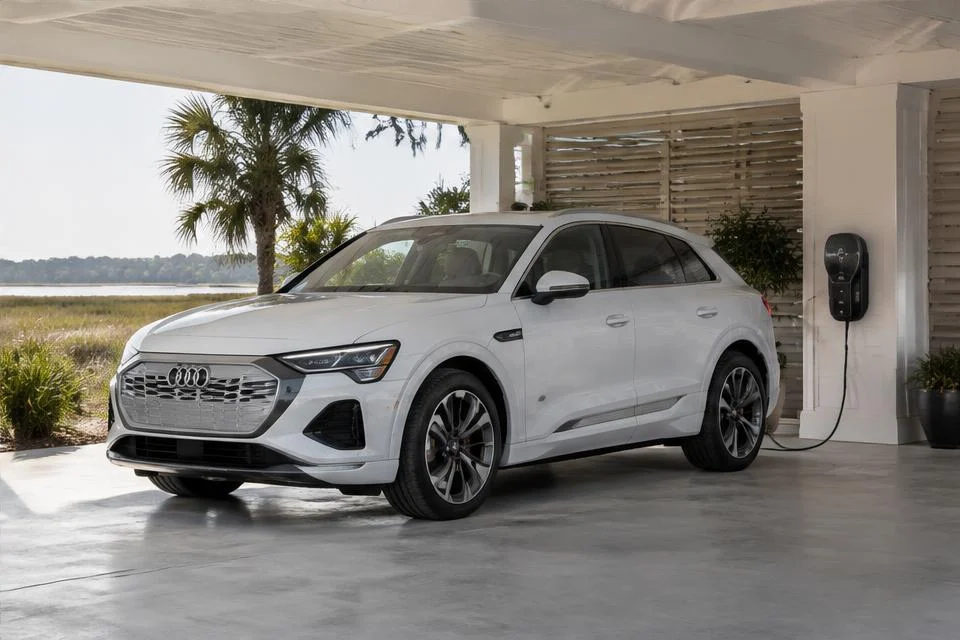
Audi Q8 e-tron charging inspiration
A covered charging area still needs equipment suitable for its actual moisture and weather exposure.
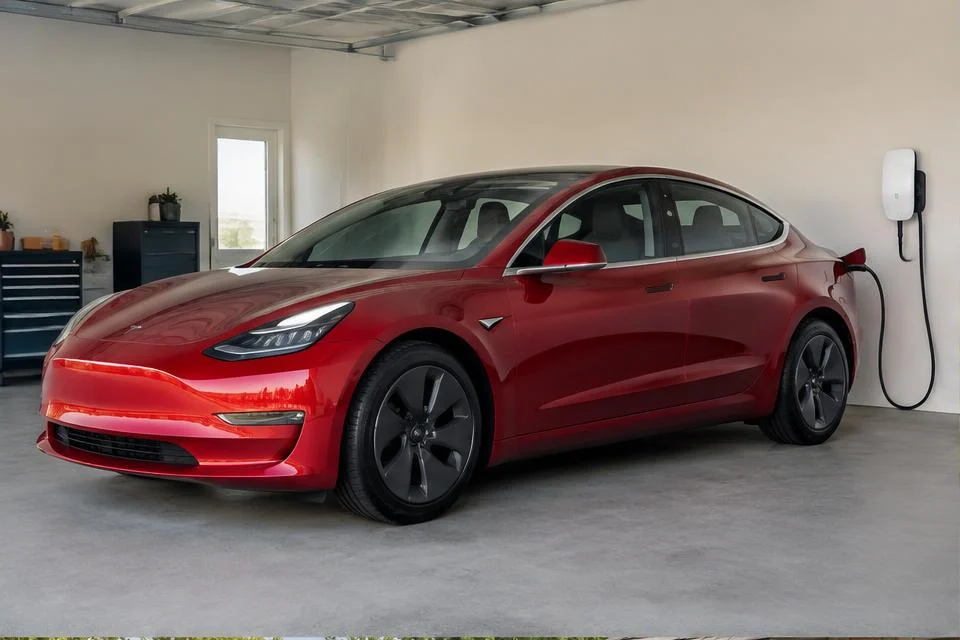
Tesla Model 3 charging inspiration
Check connector compatibility and circuit capacity before choosing a home charging station.
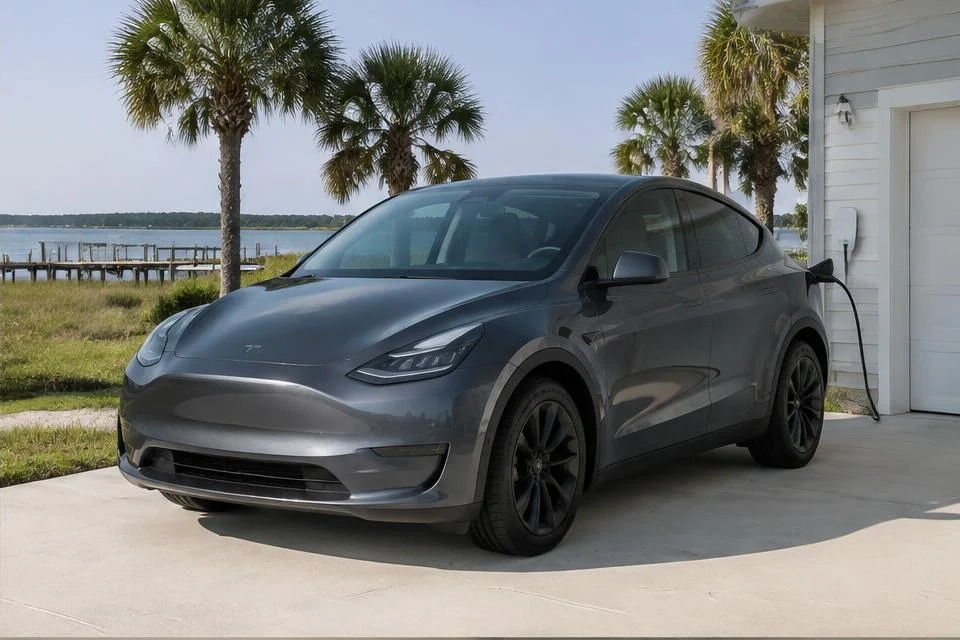
Tesla Model Y charging inspiration
Route the charging cable away from walking paths and allow enough reach for your normal parking position.
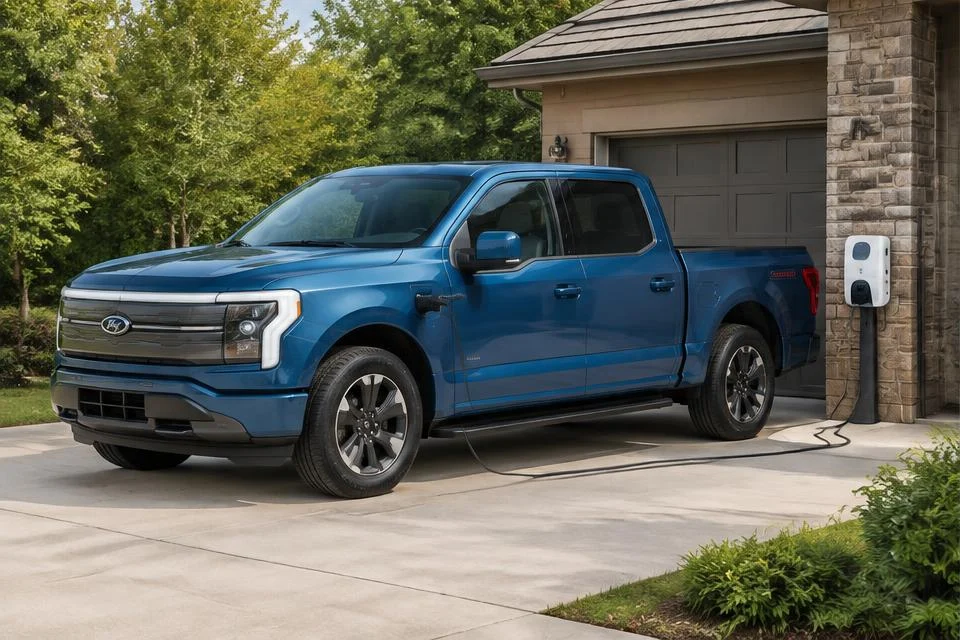
Electric pickup home charging
Electric truck charging plans should consider daily mileage, towing use, and the time available at home.
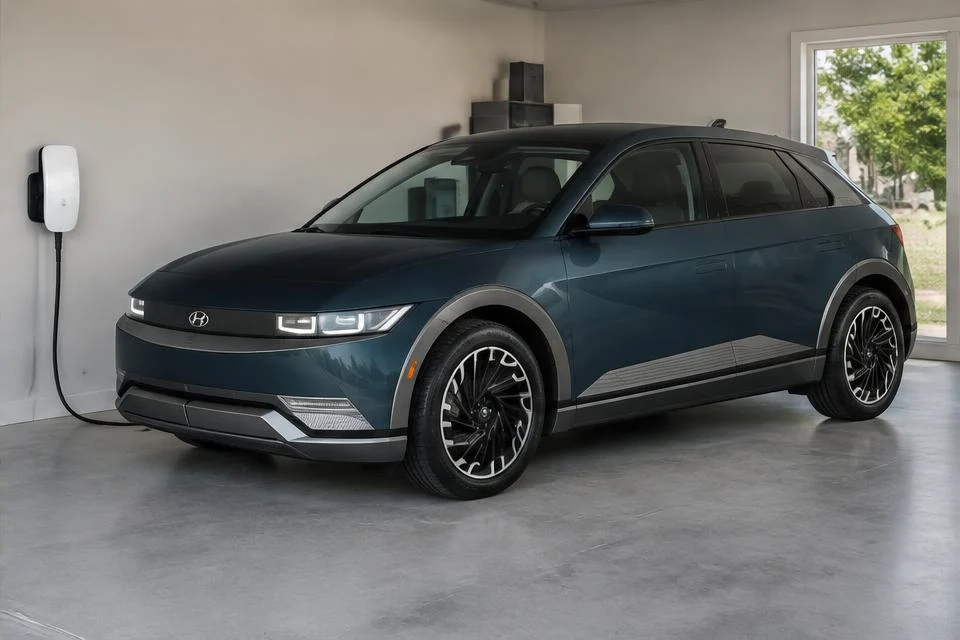
Electric crossover garage charging
Compare home AC charging needs separately from the vehicle’s advertised DC fast-charging capability.
We photograph your Sullivan's Island panel, run an NEC load calculation, and design the EV circuit with the right conductor size, breaker, and load management if needed.
We pull the Sullivan's Island permit, run the conductor, install the hardwired Level 2 unit or subpanel, and integrate any Span smart panel or DCC-10 load management device.
We commission the charger, verify full-current sustained load, meet the inspector, and hand you a photographed record of the finished work for insurance and closing.
A few things every Sullivan's Island EV buyer should know before an installer walks in. If any of these apply, an on-site load calc is the right first step.
A Sullivan's Island 200A panel already supporting a heat pump, tankless, and pool may not accept a 60A EV circuit without load management. Initial estimate from photos and details; capacity verification before installation.
Both can be appropriate with listed equipment and correct protection. Charging speed depends on the charger, vehicle and configured current—not connection style alone. We select the method for the equipment and location.
Conductor size depends on charging current, circuit rating, insulation temperature, terminal ratings, wiring method, and voltage drop. The charger listing determines whether aluminum is permitted; no single wire gauge suits every 60A circuit.
For a Sullivan's Island charger, we assess existing surge protection and quote any additional Type 2 device in the agreed scope. Surge protection reduces some transients; it does not guarantee protection from every surge or direct lightning strike.
When your Sullivan's Island panel is at capacity, a Span smart panel or DCC-10 load management device may avoid a full service upgrade when the design and listing permit. We install both.
Salt-air Sullivan's Island installs (IOP, Sullivan's, Old Village) use listed outdoor equipment, NEMA 4X exterior enclosures and stainless hardware appropriate to exposure and manufacturer instructions. Indoor-only equipment is not suitable outside.
Elevated service equipment, stainless enclosures, hardwired coastal rated Level 2.
Discreet conduit routing off street facing elevations, interior runs where possible.
NEMA 4X marine grade installs with corrosion resistant hardware and sealed penetrations.
Wet location protection, GFCI where required, weatherproof disconnects within sight.
A snapshot of recent permitted Level 2 EV charger installation projects we've delivered for Sullivan's Island homeowners and businesses.
Electrical work in Sullivan's Island is permitted through the Local Building & Codes. As the licensed contractor of record, EmergenServe files the permit, schedules the inspection, and meets the inspector on-site so the work is documented and code-compliant.
EV charger installations require an electrical permit and inspection. We permit with the correct jurisdiction based on the parcel address.
He was very quick to react, even on a Sunday evening, and was here Monday morning with an estimate and came at 3 PM that afternoon to get my electric vehicle charger installed. Very friendly great service.
Nat Wallen
2 weeks ago
Called at 2AM after a lightning strike and power outage. Got immediate answer and I knew I was in good hands. They were at my house at 8AM and did not leave until power was restored around 1pm. Lightning melted part of the meter box, so we had to wait on Dominion otherwise would have been done faster. Stayed after to make sure everything worked. I will be using this team from now on for any and all electrical work.
Joan Smith
3 months ago
Service was great and fast especially with an emergency service call. The technician was great and very knowledgeable. They were able to teach me a little bit on how to address and prevent maybe even fix future problems.
Mason Williams
5 months ago
Panel upgrades, EV charging, generators, lighting, emergency repairs, and commercial wiring for Sullivan's Island. Service illustrations, not documented customer projects.
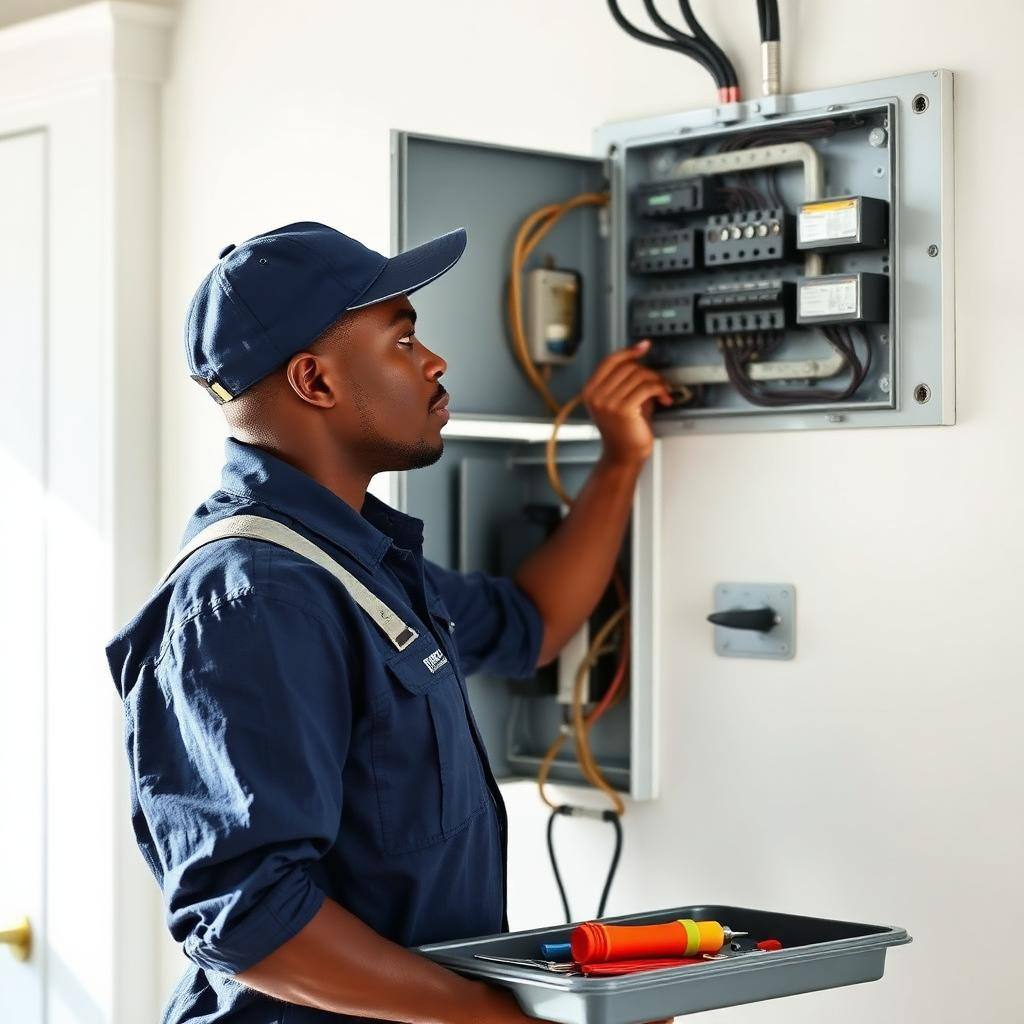
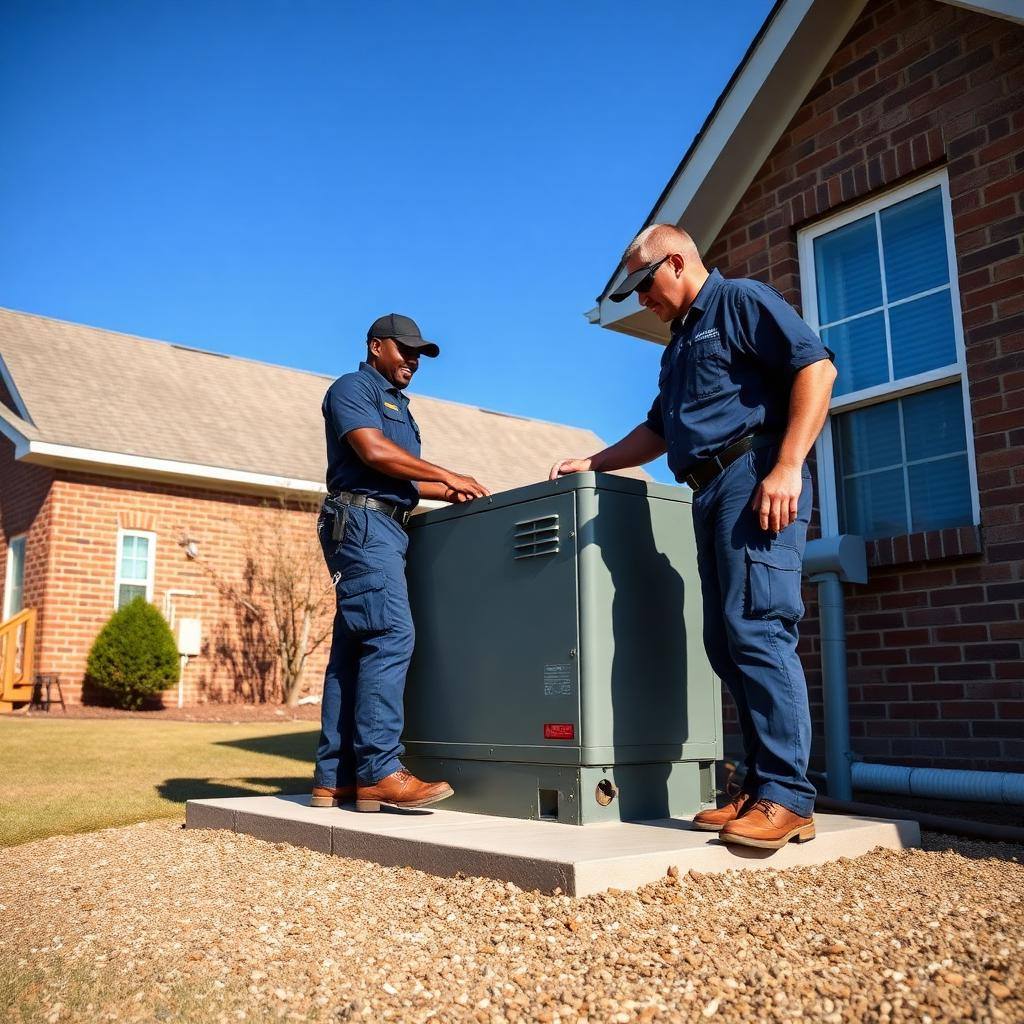
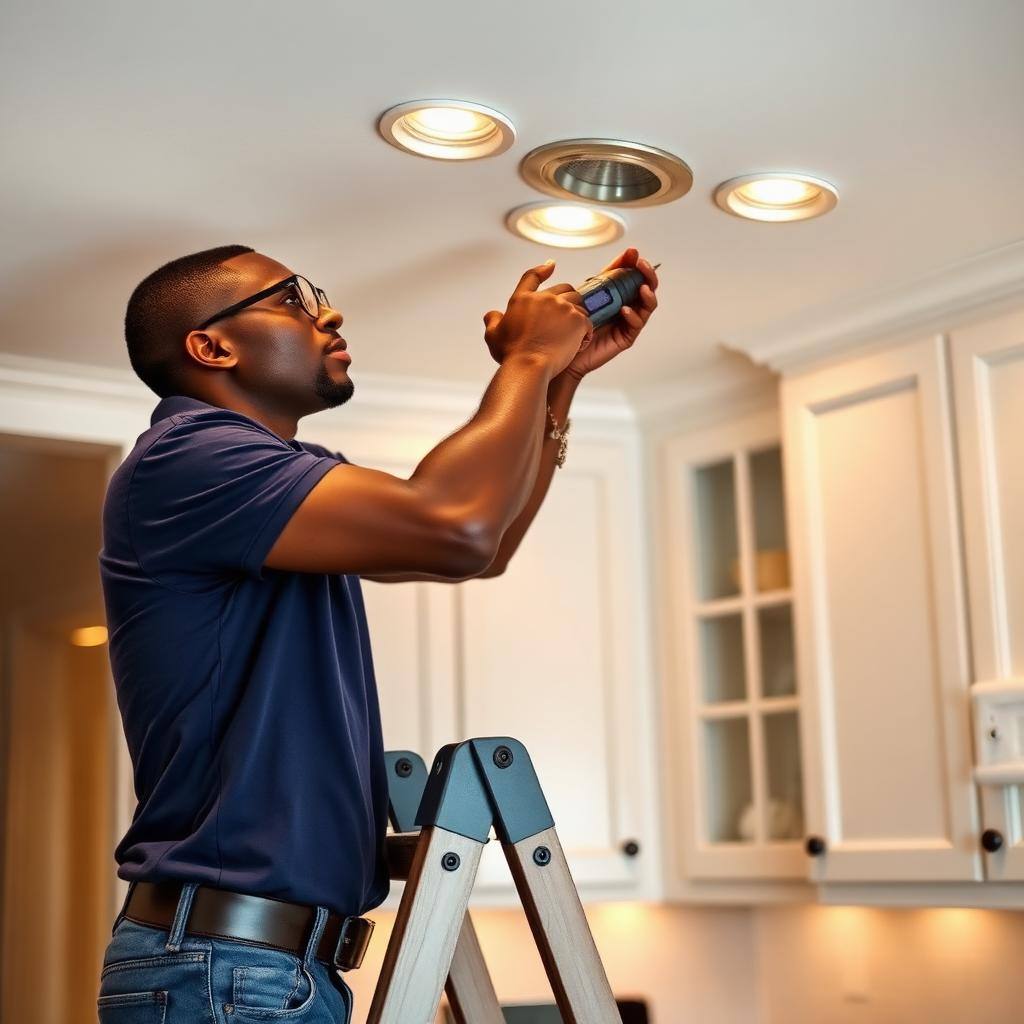
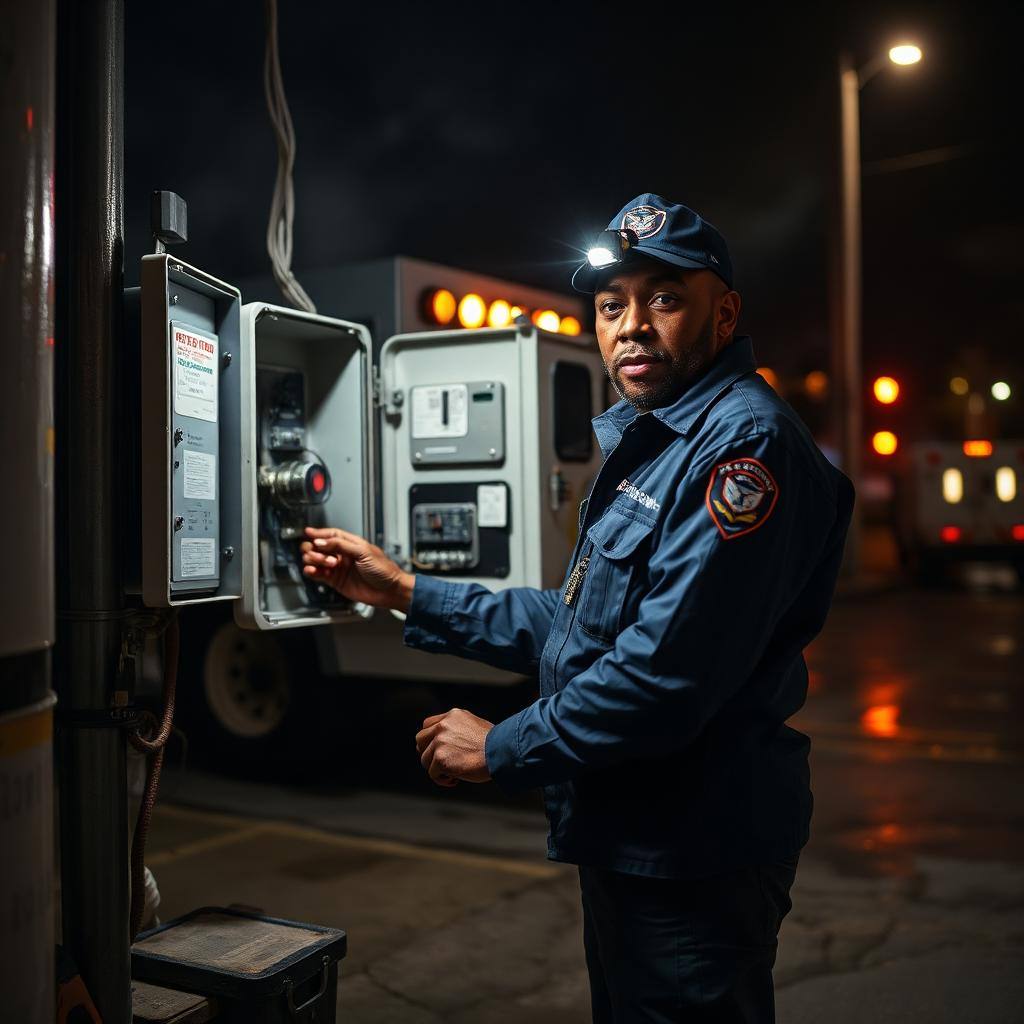
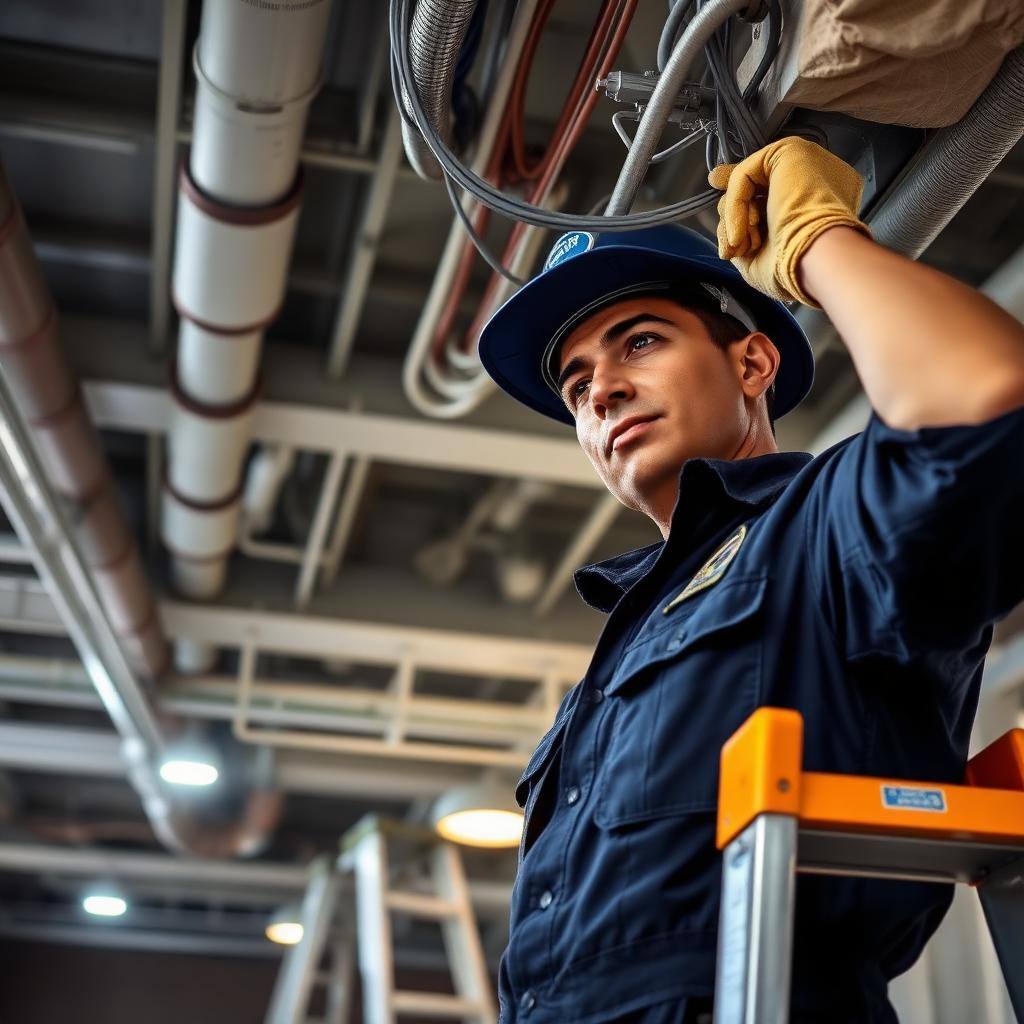
A hardwired unit in a stainless NEMA 4X enclosure. We avoid exterior NEMA 14-50 receptacles on the island because the contacts corrode, and we use marine grade conduit and fittings on every exterior run.
Yes. We pull the electrical permit, schedule the inspection, and meet the inspector. Every Level 2 charger in South Carolina requires a permit and a final inspection.
We know your time is valuable—and your inbox really doesn't need another unanswered message. Once you send in your details, we turn around a personalized estimate within 24 hours, no onsite visit needed. Whether you just want ballpark pricing or have a buckled 1978 breaker panel you'd rather not show to strangers, you’ll have a clear quote (and a real human response) the next business day at the latest.
We’re typically able to get most Sullivan's Island EV charger installs on the calendar within a few days—no waiting around for weeks. Once you send us your garage walk photos and details, we’ll confirm a date that fits your schedule. Our electricians handle everything from the permit paperwork to final inspection, so you’re not stuck juggling red tape or follow-ups. If you’re ready, we can move faster than a Rivian off the line.
Absolutely. Our home Level 2 charger installations include a written workmanship warranty for the Lifetime of home ownership. It covers the original customer for as long as they own the home where we performed the work and is not transferable. If something fails because of our installation, including the wiring, connections, or mounting we installed, we return and correct the covered issue at no charge for labor or the trip. Your installation is backed from the first plug-in through your home ownership. Parts and charging equipment, including ChargePoint, Blink, or EVgo hardware, follow the manufacturer's own warranty and its stated coverage period. Product defects are separate from installation workmanship, and we help you file and follow up on eligible manufacturer claims. Commercial installation coverage is confirmed in the written warranty for that project. For warranty redemption, questions, or scheduling, email Warranty@EmergenServe.com.
Yes—charging your EV at home can cost less than using public fast charging, depending on your electricity rate and the public charger’s fees. If your utility offers a time-of-use or EV charging rate and you’re enrolled in that plan, scheduling your Tesla or Rivian during its designated off-peak hours may lower your charging costs further. Overnight charging isn’t automatically cheaper on a flat-rate plan, and off-peak hours aren’t always after midnight, so check your utility’s current rates and eligibility before setting a schedule. Over time, home charging can stack up real savings compared with paid public charging, making every morning start with a ‘full tank’ for less. Installing a charger does not lower your household electricity rate; charging your EV adds electricity use to your home bill.
Plugging in at home isn’t just convenient—it can support a lower-carbon way to travel. Driving an all-electric vehicle produces no tailpipe emissions, while the emissions associated with charging depend on how your electricity is generated. For Sullivan's Island EV owners, charging with available rooftop solar or choosing an eligible renewable-energy program can reduce the emissions associated with that electricity. Off-peak charging may lower costs, but it isn’t automatically lower-carbon: the environmental benefit depends on the grid’s generation mix at the time you charge. Vehicle and battery manufacturing also contribute to a car’s overall carbon footprint.
A Level 2 home charger can also improve charging efficiency compared with a standard 120-volt outlet for some vehicles. Finishing a charge sooner can reduce the time spent powering the vehicle’s charging electronics and other supporting systems, although actual losses depend on the vehicle, charging power, temperature, and installation. Pairing your charger with rooftop solar can further reduce reliance on grid electricity when solar power is available; overnight solar charging generally requires stored energy. Check the terms of any green-power program rather than assuming it makes every charging session emissions-free.
Bottom line: home EV charging puts more control over when and how you charge right at your fingertips. It can avoid extra trips made solely to reach a public charger and support quiet, tailpipe-emission-free commutes across the Lowcountry. The total environmental benefit still depends on your electricity source, vehicle, and driving habits—not simply on whether the charger is at home or at a public station.
A professionally installed Level 2 charger can make your home more appealing to buyers who drive an EV or plan to buy one. In Sullivan's Island, convenient, move-in-ready charging—such as a hardwired Tesla Wall Connector—may help a listing stand out. However, a charger does not guarantee a higher sale price or a return on its installation cost. Its appeal depends on local buyer demand, the property, and the charger’s condition and compatibility; a local real estate professional can help assess its relevance to your listing.
A dedicated EV circuit can also reduce the work a future owner needs to arrange for home charging. Keep the permit, inspection record, circuit details, and equipment documentation so buyers can understand what was installed. A permitted charger installation documents that work, but it does not by itself prove that the entire electrical system is up to date or has spare capacity for every future upgrade. In short, adding a Level 2 charger can improve your daily charging routine and help your listing stand out, without making resale value or future electrical needs a certainty.
If you come across a lower written quote from another licensed, insured installer—especially for a comparable project scope and reputable EV charger brands like Tesla, ChargePoint, or JuiceBox—let us know. We’ll take a look and do our best to match or beat it. Matching is not guaranteed and applies to comparable EV installation work, not unrelated services. Our goal is straightforward: quality, code-compliant work at a fair price, without the guesswork.
Also see our Charleston EV charging service hub or explore all our residential electrical services.
Equipment & planning guide · Sullivan's Island, SC
Use this guide to compare options before booking. For this work, the important starting points are your vehicle’s connector, everyday mileage, charging location, and available electrical capacity. Exact equipment selection follows an assessment of your property, the manufacturer’s instructions, and applicable local requirements.
Level 1 uses a suitable 120-volt supply and can be practical when daily mileage is modest and long charging periods are available. Level 2 uses a 208- or 240-volt AC supply, depending on the installation, and provides a higher charging rate. DC fast charging supplies DC power to the vehicle and belongs to a different infrastructure category; a household wall connector is not a small DC fast charger.
Actual charging performance depends on the vehicle’s onboard charger, the station’s configured limit, the supply, battery conditions, and other factors. A large advertised station rating does not mean every car will charge at that rate. The pictured Tesla Wall Connector is an actual AC charging product. Confirm the exact model and connector for your vehicle, and decide what daily charging performance you genuinely need before specifying the largest circuit.
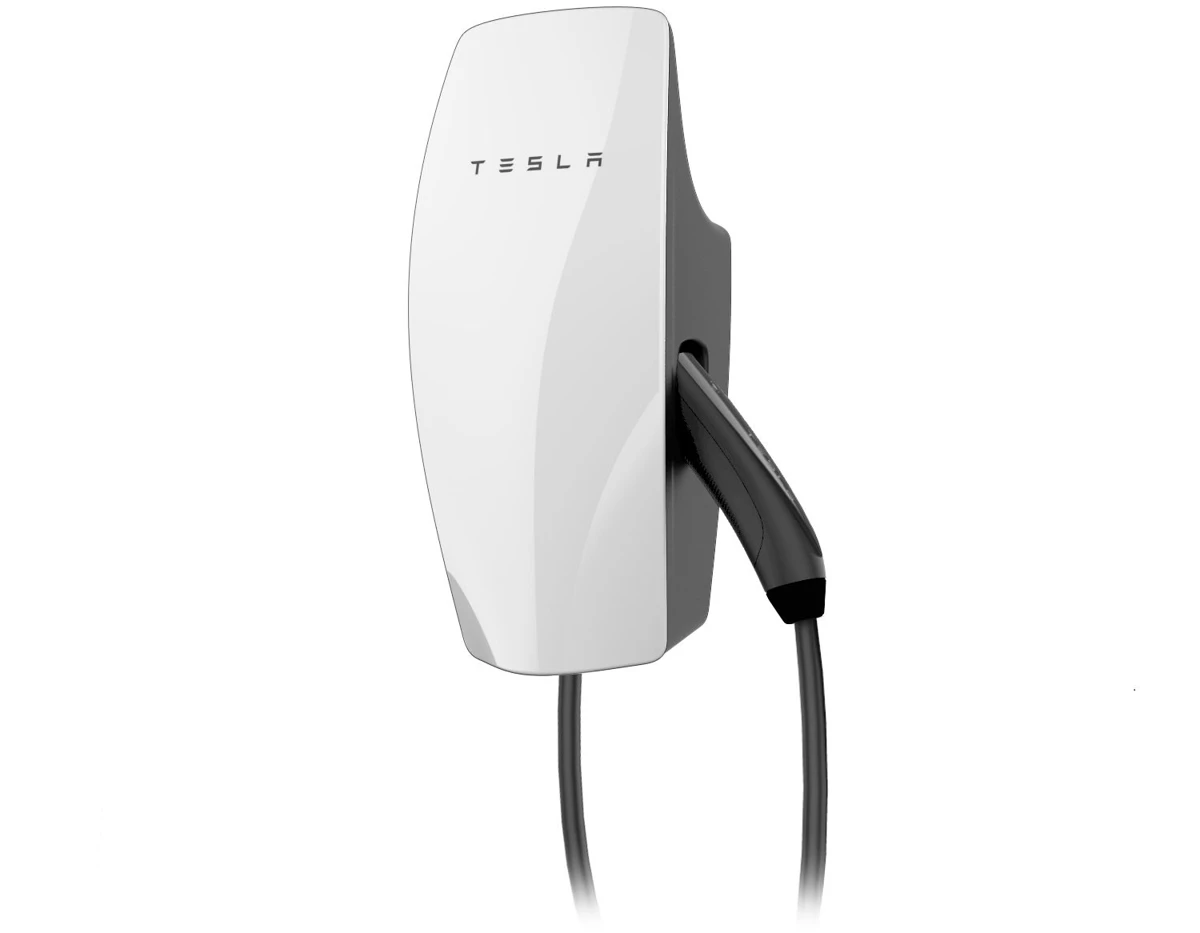
Tesla Wall Connector, ChargePoint Home Flex, Wallbox Pulsar Plus, Emporia, and Grizzl-E represent different approaches to home charging features. Compare the exact product listing, connector, cable reach, network dependence, scheduled-charging controls, mounting arrangement, and warranty. An attractive app is useful only if it fits the way your household will use the equipment.
The pictured ChargePoint Home Flex is a manufacturer product photo, not an installation completed at a local property. Brand selection does not establish electrical compatibility on its own. J1772 and NACS connections, manufacturer-approved adapters, and vehicle-specific guidance need careful attention. If two vehicles will share charging, discuss approved load sharing or energy-management options before buying two independent high-current stations. Never assume two chargers can share a circuit simply because only one car is usually connected.
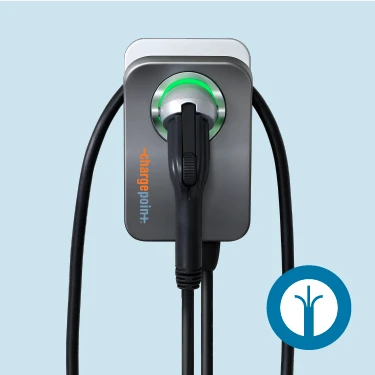
Manufacturer product photographs illustrate the equipment discussed, not completed EmergenServe installations. Models are examples; availability, specifications, and compatibility must be confirmed. Source attribution does not imply a manufacturer partnership.
On an island property with retained historic features, plan both equipment siting and the pathway for conductors before making exterior changes. Confirm applicable local review and manufacturer clearances independently. Elevated construction may affect service access and routing, while salt exposure influences enclosure care. Mixed generations of wiring require assessment circuit by circuit; an attractive renovation does not establish the condition of concealed conductors.
For charging, assess your vehicle’s connector, everyday mileage, charging location, and available electrical capacity at the actual address. Confirm the parcel’s jurisdiction before scheduling work that requires a permit. Inspection or utility scheduling can affect completion; ask about the sequence rather than treating an estimated date as a guaranteed reconnection time.
Pricing depends on the agreed equipment, routing, access, existing conditions, and any required permits or utility work. Existing starting prices elsewhere on this page are not a quote for every configuration. Compare written scopes and confirm finish repairs, supplied materials, testing, and exclusions. No new price or manufacturer warranty is implied by the product examples in this guide.
For homes around Middle Street, Station 22, Station 28, the useful starting point is where the car actually parks and how the circuit reaches it. Send photos of the closed panel and readable label, parking area, and proposed route without removing electrical covers. We can prepare an estimate from your details; the onsite capacity and route checks happen before installation. On an island property with retained historic features, plan both equipment siting and the pathway for conductors before making exterior changes. Confirm applicable local review and manufacturer clearances independently. Elevated construction may affect service access and routing, while salt exposure influences enclosure care. Mixed generations of wiring require assessment circuit by circuit; an attractive renovation does not establish the condition of concealed conductors.
We check panel spaces, breaker and service ratings, existing large loads, mounting, and measured circuit routing. Wall-mounted runs are conduit-secured; exterior installations use NEMA 4X-rated enclosures and stainless hardware suited to coastal conditions and equipment instructions. Most straightforward home installs finish in an afternoon, while trenching, finish repairs, panel work or inspection scheduling can extend the project. Charging is tested before handover.
Check the utility and enrolled rate plan for the actual address, rather than assuming every household in Sullivan's Island receives the same off-peak tariff. Match the charging schedule to local travel needs and the plan’s actual discounted hours. For seasonal homes, rentals or shared parking, confirm who can operate the equipment and pay charging costs.
For a Sullivan's Island home with solar or future sale plans, preserve the installation records and choose equipment that fits actual use. Solar availability, battery storage and any renewable-program terms determine how electricity is supplied; charger connector compatibility and condition matter to a future buyer. Ownership benefits do not replace capacity assessment, permits or equipment documentation.
Pick your service and a time that works for you below. Your request goes straight to our scheduling team. Prefer a full page? Open booking in a new tab.
Emergency Services Available 24/7
Explore the other services our Charleston electricians deliver across the Lowcountry.
Level 2 EV charger installation for Tesla, Ford, Rivian, and every major electric vehicle in Charleston SC.
Compare charging levels, installation pricing and what to expect, with a printable PDF and preparation checklist.
Electrical panel upgrades to 200 amp service and safe replacement of Federal Pacific and Zinsco panels to code.
Replace aging or unsafe electrical panels with permitting and utility coordination.
SC Commercial Contractor License #M118613. Active general liability and workers' comp coverage. COI sent to your GC, HOA, or closing attorney the same day you ask.
Google Screened and BBB Accredited with 33 real Google reviews from Charleston, Mount Pleasant, Summerville, and across the Lowcountry.
Every job is priced before we lift a tool. No clock running, no surprise add-ons, no guessing what the bill will look like when we're done.
If something isn't right, we come back and fix it. Workmanship stands behind every breaker, outlet, fixture, and panel we install.

Licensed Charleston electrical contractor. 24/7 emergency service across the Lowcountry.