
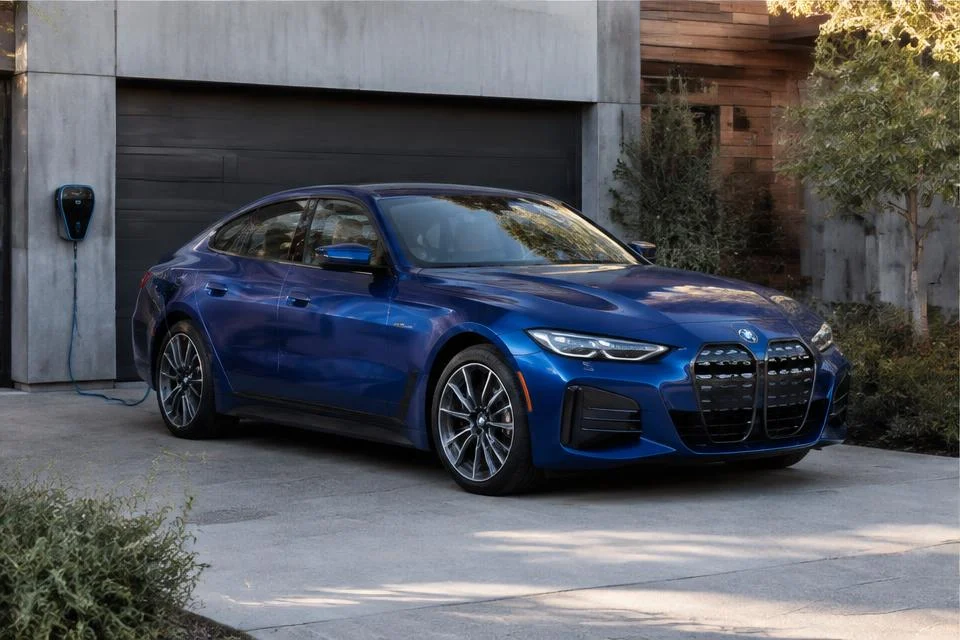
EmergenServe · Charleston Lowcountry
EV Charger
Installation Guide
A practical guide to choosing your charger, planning the electrical work, understanding the quote, and getting ready for installation in Charleston, Mount Pleasant, Summerville and the Lowcountry.
Cover illustration is AI-generated, not a documented customer installation.
emergenserve.com/ev-charger-installation-guide · (843) 754-1671
Level 1, Level 2 & DC Fast Charging
The right charger replaces the energy you use while your vehicle is parked. Home charging uses AC power; public fast charging supplies DC directly to the battery.
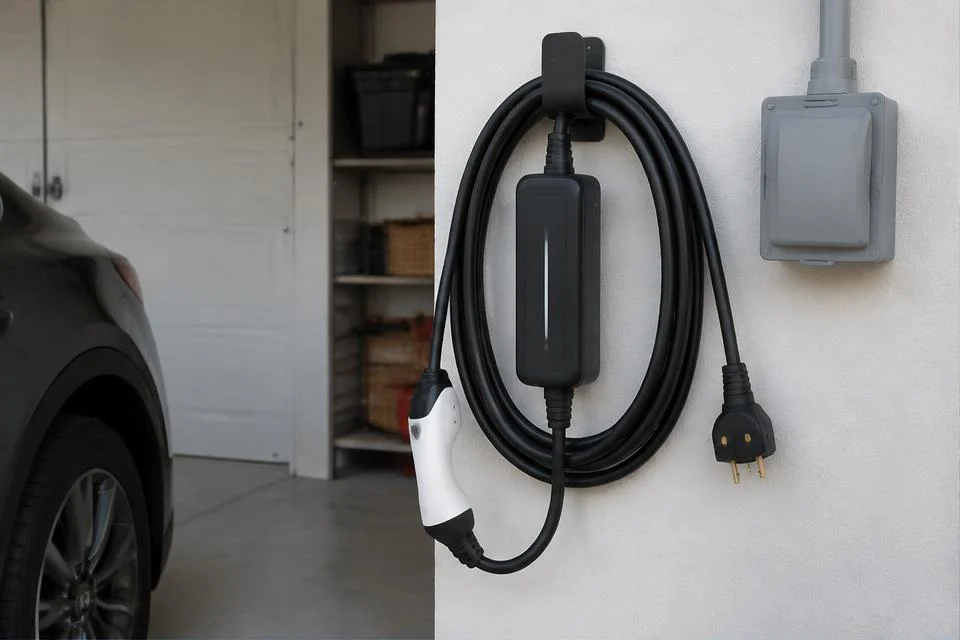
Level 1
120V AC
About 1.4 kW at 12A
Typically 3–5 miles of range per hour
Short commutes, plug-in hybrids and occasional charging.
A compatible portable charging cord connects to a suitable grounded household receptacle. Have the outlet condition, circuit loading and sustained-load suitability assessed; not every existing outlet is appropriate. Do not use household extension cords or power strips.
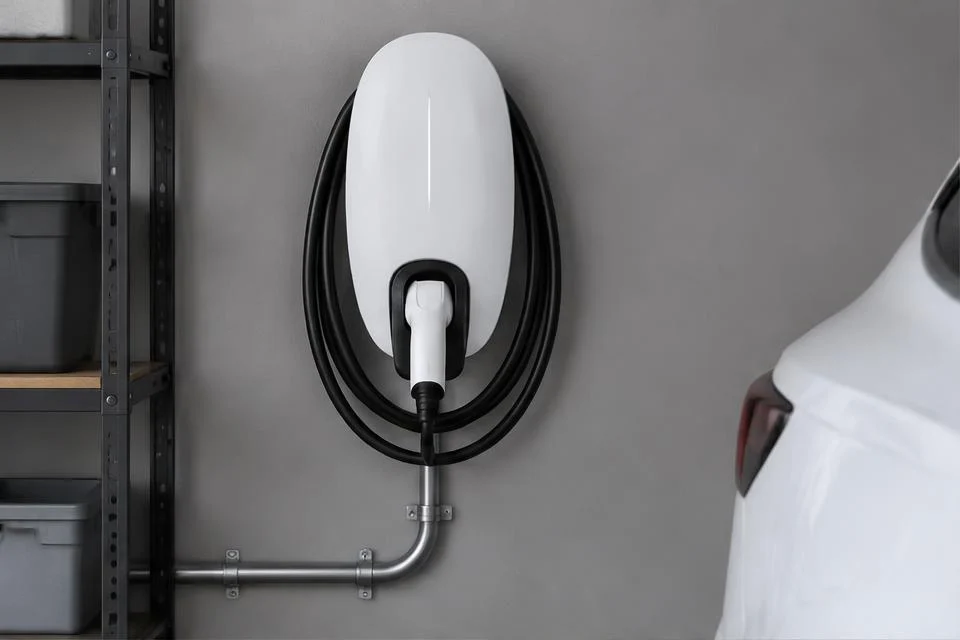
Level 2
240V AC at home
Commonly 7.7–11.5 kW at 32–48A
Often 25–40 miles of range per hour
Everyday home charging and longer overnight parking.
A dedicated circuit supplies a hardwired wall unit or a compatible plug-in charger. The actual output depends on the circuit, charger setting, vehicle’s onboard AC charger and any load management. Choose enough power to replace your daily driving, not simply the largest available unit.
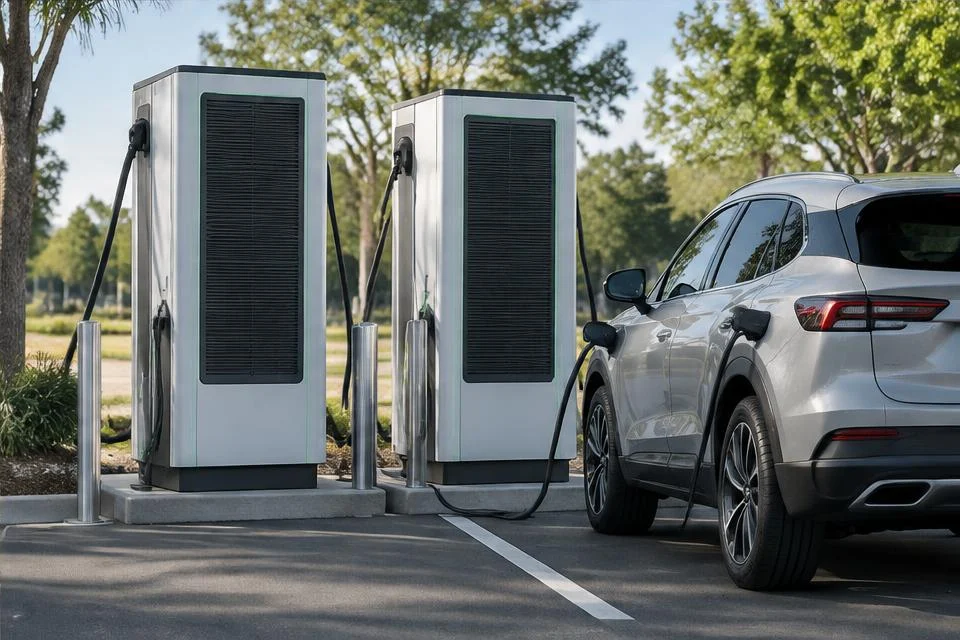
DC fast charging
DC power to the battery
High-power commercial equipment
Vehicle- and station-dependent
Road trips, fleets and high-turnover public sites.
Often called “Level 3,” DC fast charging converts power outside the vehicle and is not a larger household wall charger. It requires a separate commercial design, substantial electrical infrastructure and utility coordination. It is generally not a practical residential installation.
Charging figures are typical examples, not guarantees. Vehicle efficiency, battery temperature, charge level, losses and available power affect actual results. Level 2 can also use 208V at commercial sites.
Charger-type images are AI-generated illustrations, not product specifications or completed jobs.
Choose Your Charging Setup
Hardwired or plug-in?
Hardwiring connects the charger directly to its dedicated circuit and is common for 48A home charging. A plug-in unit needs the specified receptacle and circuit protection. A conventional 50A NEMA 14-50 circuit supports at most 40A of continuous charging, not 50A. Follow the exact equipment instructions and applicable local requirements.
Match the connector to your vehicle
J1772 is common for North American AC charging. NACS / SAE J3400 is used by Tesla and an increasing number of other vehicles. CCS1 and CHAdeMO are DC fast-charging connector options on compatible vehicles. Verify your exact model year and inlet. Only use manufacturer-approved adapters for the intended AC or DC application; they are not interchangeable.
Panel capacity and two-car households
A panel rating or the age of a home alone does not determine whether an upgrade is needed. We assess equipment condition, available breaker space, the calculated electrical load, and planned additions. Where appropriate, an approved load-management system can allow EV charging without a service upgrade. Charger-to-charger power sharing and whole-home load management are different features. Ask which monitoring hardware and supported controls are included, and how available power is divided when two vehicles charge.
Outdoor charging in the Lowcountry
Choose listed equipment suitable for its environment, with safe cable reach and a location away from flood exposure and walking or driving paths. For home exterior installations, EmergenServe uses NEMA 4X-rated enclosures and stainless hardware for coastal conditions. Manufacturer mounting and operating requirements still apply.
Home charger examples
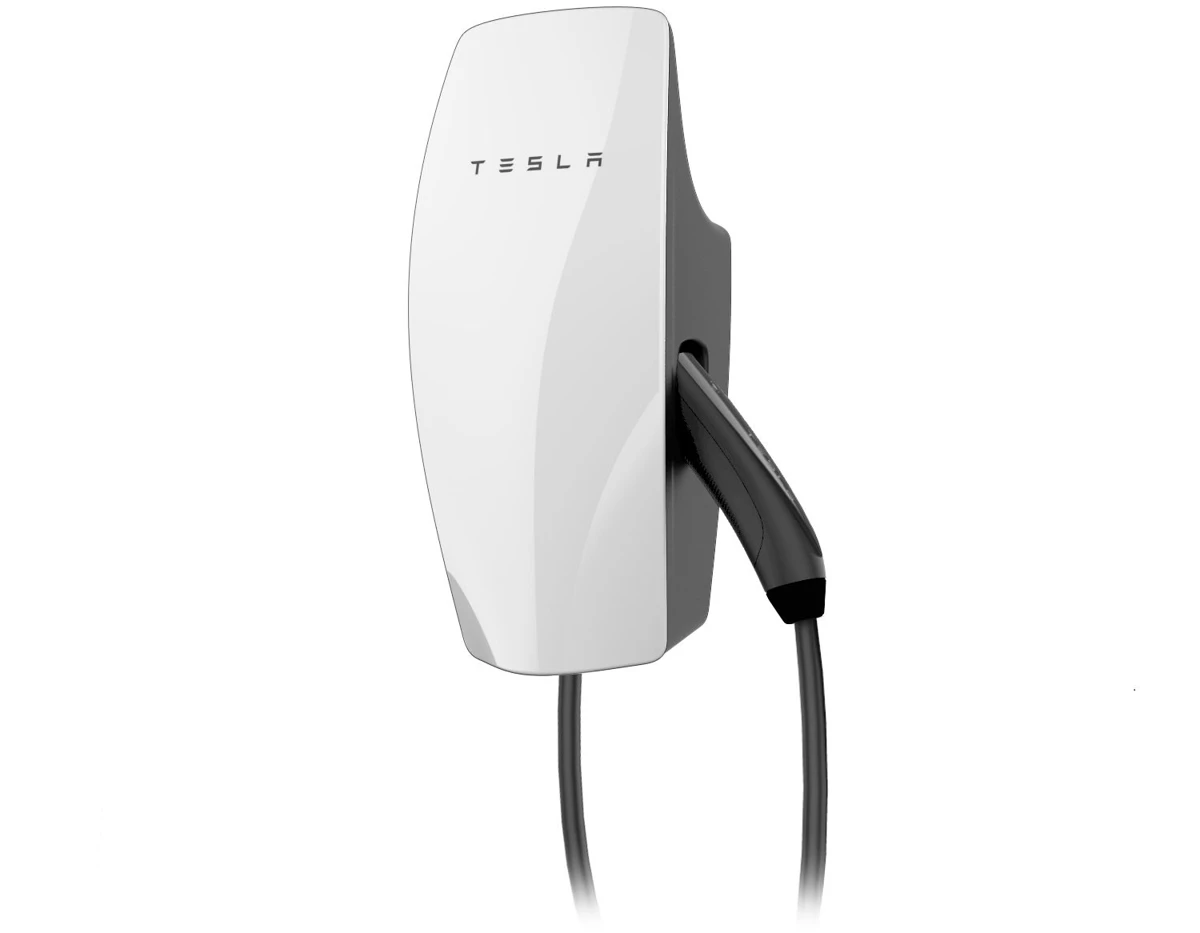
Wall Connector Gen 3
Photo: Tesla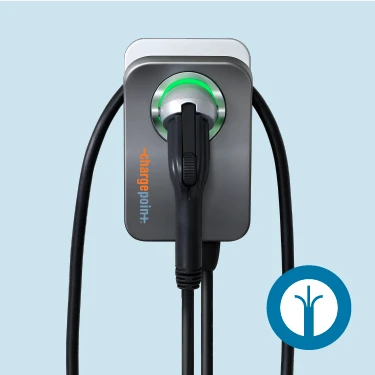
Home Flex hardwired
Photo: ChargePoint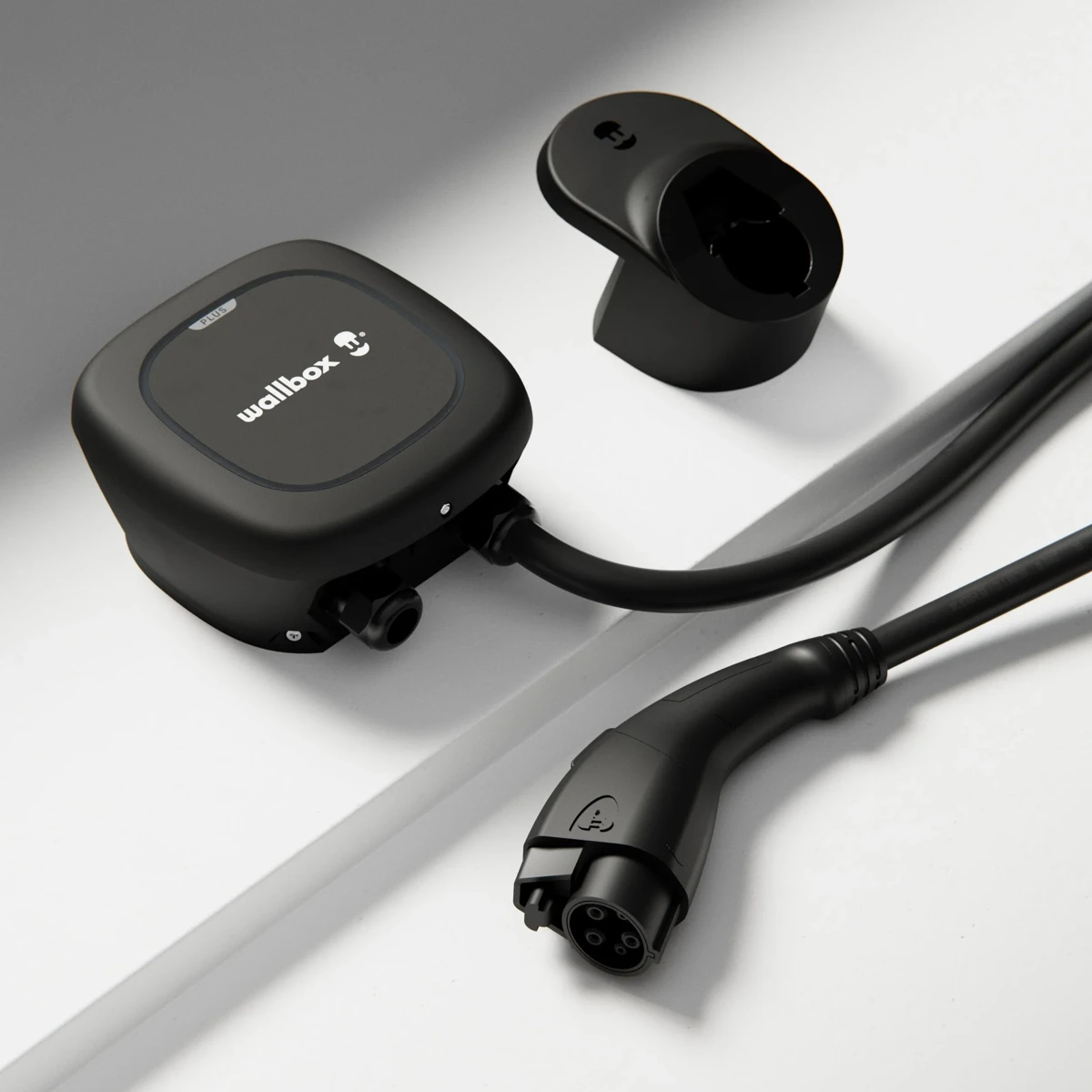
Pulsar Plus North America
Photo: Wallbox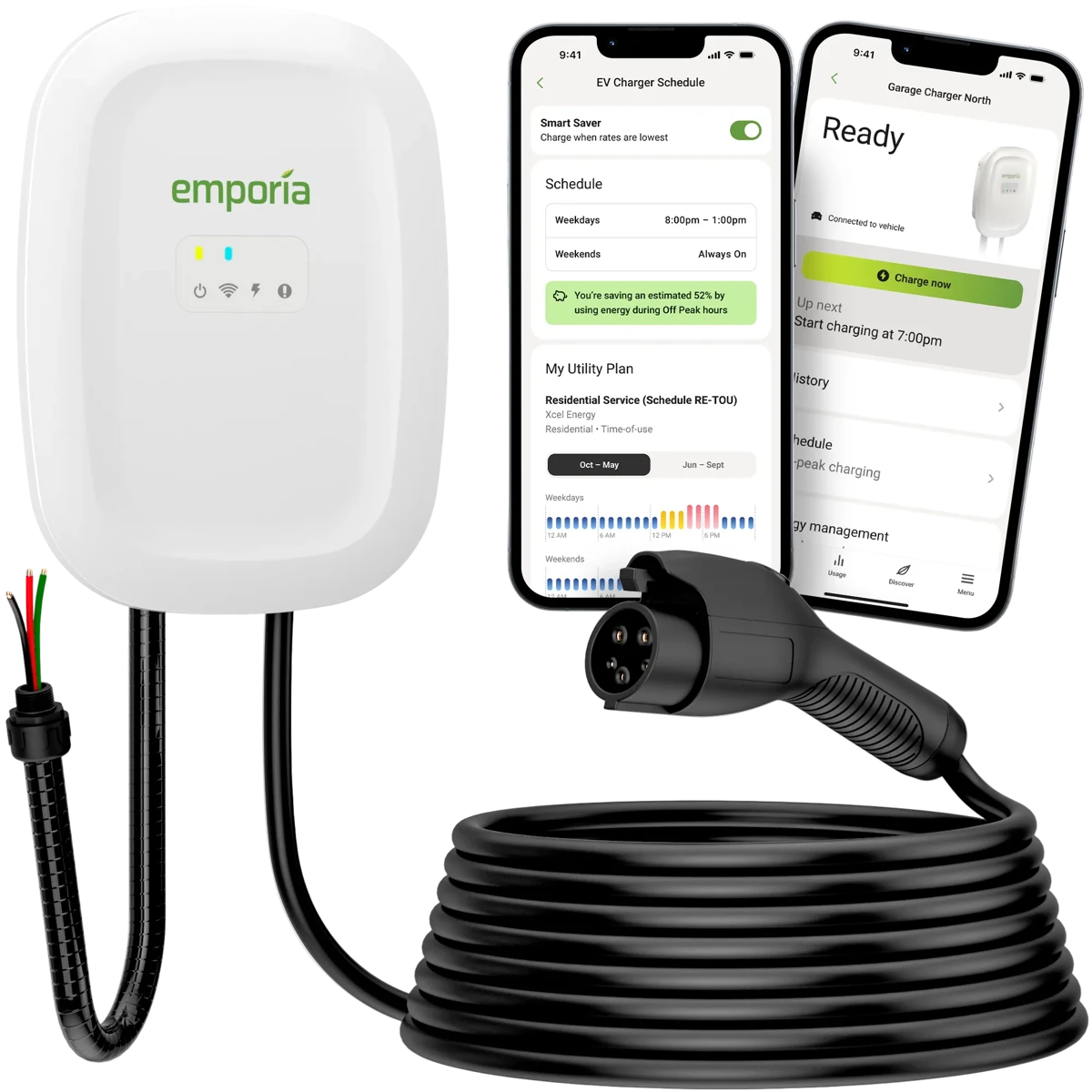
Emporia Classic J1772
Photo: Emporia EnergyTesla Wall Connector, ChargePoint Home Flex, Wallbox Pulsar Plus and Emporia are examples, not an exclusive list or a claim that every model has identical features. Compare the exact connector, cable length, listing, enclosure rating, supported load-management accessories and manufacturer warranty before buying.
What to Expect
- 01
Send the project details
Share your vehicle model/year, charger model if selected, address, daily mileage and desired parking location. Send photos of the closed panel, visible panel labels, garage or driveway and the proposed cable route. Do not remove panel covers or expose wiring to take photos.
- 02
Review the written estimate
We know your time is valuable—and your inbox really doesn't need another unanswered message. Once you send in your details, we turn around a personalized estimate within 24 hours, no onsite visit needed. Whether you just want ballpark pricing or have a buckled 1978 breaker panel you'd rather not show to strangers, you’ll have a clear quote (and a real human response) the next business day at the latest.
- 03
Confirm the design and schedule
We check panel condition, breaker space, calculated load and the route to your actual parking spot before electrical work. We confirm the circuit and mounting plan, planned power interruption, required permits and the installation date. Most Charleston home installations can typically be scheduled within a few days, subject to project details and availability.
- 04
Install the circuit and charger
Clear access to the panel and parking area. The electrician safely isolates affected circuits, installs the correctly sized dedicated wiring and protection, secures the charger and protects the run. Wall-mounted runs are conduit-secured. Trenching, panel work or finish repairs are performed only within the agreed scope.
- 05
Test, hand over and inspect
We test the charger before handover, verify configured output and charging operation, and review cable storage, normal use and any agreed app or load-management setup. EmergenServe handles required permit paperwork and coordinates final inspection with the city or county authority for the actual address. Keep the quote, equipment manual, warranty and inspection records.
How long will it take?
Most straightforward home EV charger installations finish in an afternoon. Trenching, panel or service work, finish repairs, permits and inspection scheduling can extend the overall project. We confirm the scope and expected schedule; a half-day or one-business-day completion is not guaranteed.
How Installations Are Priced
EV charger installation pricing depends on the charger, circuit length, panel capacity, mounting location, and any trenching, load management, service upgrade, permits, or inspection work. We provide a free written project estimate with equipment and included work identified separately. Send photos and project details for an estimate without a required onsite visit.
- Charger and accessories
- Brand, model, connector, output and optional monitoring or power-sharing hardware. The quote states whether the charger is supplied by you or by EmergenServe.
- Circuit length and access
- Distance from the panel to the parking spot, conductor requirements, conduit, wall or ceiling access, and whether the garage is attached or detached.
- Existing electrical capacity
- The load calculation determines whether the current service is suitable, approved load management is appropriate, or a panel/service upgrade is needed. A larger breaker is not a substitute for proper capacity and wiring.
- Mounting and outdoor work
- Wall or pedestal mounting, coastal exposure, trenching, boring, surface restoration and any finish repairs. Confirm who is responsible for landscaping or drywall restoration.
- Permits and utility coordination
- Required permits, inspection work and any utility service changes for the address. Timing and requirements vary by jurisdiction and project.
- Labor, testing and exclusions
- Installation labor, commissioning and agreed setup, plus any separate restoration, subscription or network fees. Compare written scopes rather than equipment prices alone.
Why two installations can cost differently
Short attached-garage run
A suitable panel near the parking space and straightforward wall mounting generally require fewer materials and less labor than a detached-garage project. The final price still depends on the actual equipment and conditions.
Detached garage or driveway pedestal
A longer route, trenching, outdoor mounting or required service work can increase the scope. Ask about load management and alternative locations before assuming a full service upgrade is necessary.
Free estimates vs. paid troubleshooting
Regular service calls are $235; emergency after-hours calls are $435. Active Care Club members pay $50 and $135, respectively. Repair work is quoted separately before approval. Project estimates are free; diagnostic and troubleshooting visits are paid service calls. The diagnostic fee is credited toward an approved repair; any project-specific terms are disclosed when scheduling.
Comparing another installer’s quote
If you come across a lower written quote from another licensed, insured installer—especially for a comparable project scope and reputable EV charger brands like Tesla, ChargePoint, or JuiceBox—let us know. We’ll take a look and do our best to match or beat it. Matching is not guaranteed and applies to comparable EV installation work, not unrelated services. Our goal is straightforward: quality, code-compliant work at a fair price, without the guesswork.
Before & After Installation: Your Checklist
- Vehicle model/year, connector and typical daily mileage.
- Chosen charger model and installation manual, if already purchased.
- Closed-panel and visible-label photos, plus parking and route photos.
- Access to the panel and clear space for mounting and cable storage.
- Owner, landlord or HOA approvals where required.
- Written scope: equipment, electrical work, permits and restoration responsibilities.
- Confirmed power interruption, installation window and inspection arrangements.
- Keep manuals, invoice, warranty and permit/inspection records after handover.
Warranty & Common Questions
How is an EV charger installation priced?
EV charger installation pricing depends on the charger, circuit length, panel capacity, mounting location, and any trenching, load management, service upgrade, permits, or inspection work. We provide a free written project estimate with equipment and included work identified separately. Send photos and project details for an estimate without a required onsite visit.
How quickly will you hear back after requesting an estimate?
We know your time is valuable—and your inbox really doesn't need another unanswered message. Once you send in your details, we turn around a personalized estimate within 24 hours, no onsite visit needed. Whether you just want ballpark pricing or have a buckled 1978 breaker panel you'd rather not show to strangers, you’ll have a clear quote (and a real human response) the next business day at the latest.
How long does a home EV charger installation take?
Most straightforward home EV charger installations finish in an afternoon. Trenching, panel or service work, finish repairs, permits and inspection scheduling can extend the overall project. We confirm the scope and expected schedule; a half-day or one-business-day completion is not guaranteed.
How quickly can I schedule an installation appointment?
We’re typically able to get most Charleston EV charger installs on the calendar within a few days—no waiting around for weeks. Once you send us your garage walk photos and details, we’ll confirm a date that fits your schedule. Our electricians handle everything from the permit paperwork to final inspection, so you’re not stuck juggling red tape or follow-ups. If you’re ready, we can move faster than a Rivian off the line.
Do you offer price matching for installation services?
If you come across a lower written quote from another licensed, insured installer—especially for a comparable project scope and reputable EV charger brands like Tesla, ChargePoint, or JuiceBox—let us know. We’ll take a look and do our best to match or beat it. Matching is not guaranteed and applies to comparable EV installation work, not unrelated services. Our goal is straightforward: quality, code-compliant work at a fair price, without the guesswork.
Is there a warranty on parts and labor?
Absolutely. Our home Level 2 charger installations include a written workmanship warranty for the Lifetime of home ownership. It covers the original customer for as long as they own the home where we performed the work and is not transferable. If something fails because of our installation, including the wiring, connections, or mounting we installed, we return and correct the covered issue at no charge for labor or the trip. Your installation is backed from the first plug-in through your home ownership.
Parts and charging equipment, including ChargePoint, Blink, or EVgo hardware, follow the manufacturer's own warranty and its stated coverage period. Product defects are separate from installation workmanship, and we help you file and follow up on eligible manufacturer claims. Commercial installation coverage is confirmed in the written warranty for that project.
For warranty redemption, questions, or scheduling, email Warranty@EmergenServe.com.
Plan Your Charleston EV Charger Installation
Family-owned EmergenServe serves Charleston, Berkeley and Dorchester counties. Send your project details for a free written estimate.
Related Electrical Guides
Practical electrical guides written by the licensed electrician in Charleston homeowners call first.
Residential EV Charger Installation Requirements: 2026 Guide
Residential EV charger installation requirements explained: panel load calculations, NEC codes, and North Charleston permits.
How to Check Electrical Panel Capacity for EV Charger
How to check electrical panel capacity for ev charger: Learn how to check if your electrical panel can support an EV charger. Step-by-step inspection.
Is My Panel EV Charger Ready? 2026 Checklist
Panel ev charger: Find out if your panel is EV charger ready with our 2026 checklist. Learn load calculations, amperage limits, and upgrade signs.
2026 EV Charger Codes for Charleston Homeowners
New 2026 NEC codes change how EV chargers are installed in Charleston. Learn about installer requirements, hardwiring rules, and panel upgrades.
Sources & Equipment Guidance
- US Department of Energy: Charging at home
- US Department of Energy: Charging equipment and connectors
- US Department of Energy: Installation planning
Educational planning guidance, not instructions for DIY electrical work. Equipment manuals and applicable city or county requirements govern each installation. Contractor license: SCLLR Commercial Contractors M118613.