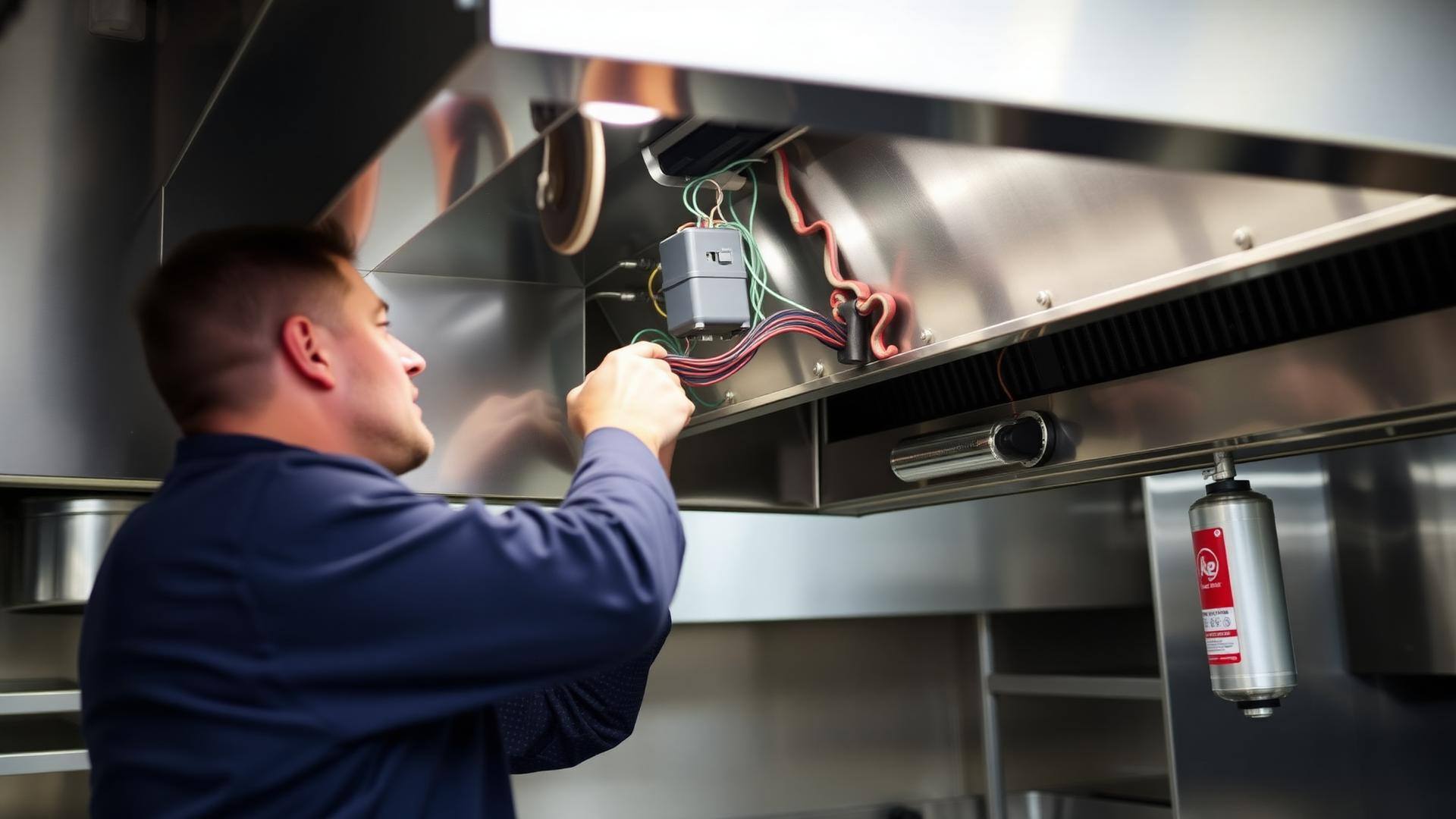
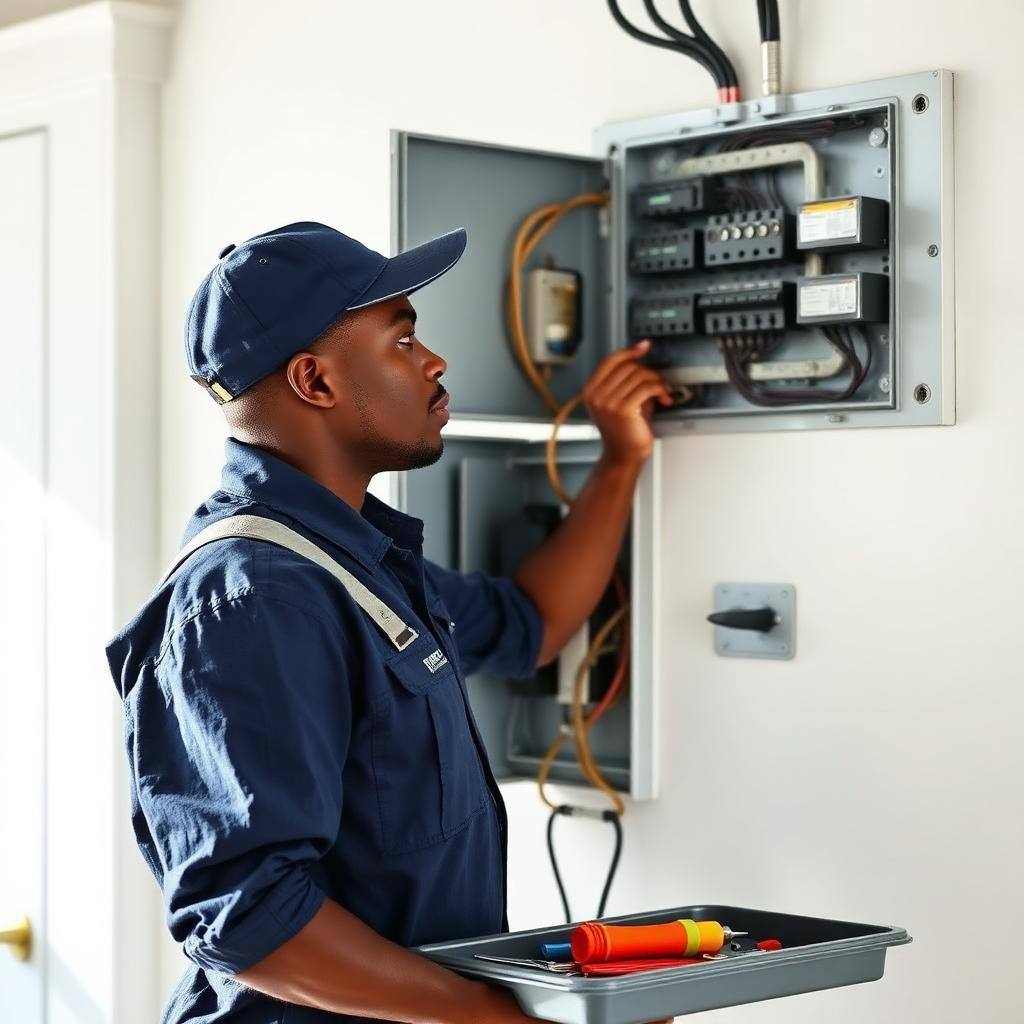
A properly wired commercial kitchen hood system keeps your restaurant compliant, your staff safe, and your energy costs under control. EmergenServe designs, installs, and repairs hood control electrical systems for commercial kitchens throughout the Charleston area.
Commercial kitchen hood systems involve more than plugging in a fan. The exhaust motor, make-up air unit, fire suppression interlock, gas valve shut-off, and demand ventilation controls all need to work together, and the electrical connections between them must satisfy both NEC and local fire codes. A single miswired interlock can fail a health department or fire marshal inspection and keep your doors closed.
EmergenServe has wired hood systems for barbecue joints on upper King Street, seafood restaurants on Shem Creek, fast-casual chains in Summerville, and institutional kitchens at local schools and hospitals. We understand the specific requirements for Ansul and Kidde shunt trip connections, gas valve interlocks, and the sequencing logic that ensures make-up air balances exhaust airflow.
When a hood control panel fails and a relay sticks, a VFD faults, or an interlock stops communicating, we diagnose the electrical issue quickly and source replacement components to get your kitchen back in service. We carry common relays, contactors, and sensors on our trucks to minimize your downtime.
Kitchen hood control electrical work in Charleston is critical for the hundreds of restaurants, catering operations, and institutional food service facilities that make the Lowcountry a culinary destination. Our licensed commercial electricians understand the specific code requirements that govern commercial kitchen exhaust systems, including NFPA 96 standards for ventilation control, IMC requirements for make-up air balance, and the fire marshal inspections that every Charleston restaurant must pass before opening. We install variable frequency drives (VFDs) that reduce exhaust fan energy consumption by up to 40% compared to single-speed motors, saving restaurant owners significant money on utility bills while maintaining proper kitchen ventilation. Our hood control wiring services include demand control ventilation (DCV) sensor installation that automatically adjusts exhaust fan speed based on cooking activity, preventing the energy waste of running fans at full speed during slow periods. For new restaurant buildouts and existing kitchen renovations across the Charleston metro area, EmergenServe provides the specialized commercial kitchen electrical expertise that ensures your hood system passes inspection and operates efficiently from day one.
Commercial kitchen hood control systems are the nervous system of any restaurant, school cafeteria, hotel, or healthcare kitchen. EmergenServe wires, programs, and services hood controls across Charleston, Mount Pleasant, North Charleston, Summerville, and the entire Lowcountry, ensuring your exhaust, make-up air, fire suppression, and gas shutoff systems all communicate properly and pass health and fire inspections the first time.
Charleston Restaurant Hood Control Expertise
Charleston's restaurant scene runs on demanding commercial kitchens, and every one of them depends on a properly wired exhaust hood control panel. Our electricians install and service controls from Captive-Aire, Greenheck, Accurex, Halton, and Gaylord, the manufacturers most commonly specified by Lowcountry mechanical engineers and kitchen designers. We handle everything from a simple single-fan exhaust hood in a King Street coffee shop to a multi-zone Type I hood with variable-speed make-up air at a downtown hotel.
Hood control wiring is not a job for a general electrician unfamiliar with NFPA 96, the South Carolina Mechanical Code, and the specific factory wiring diagrams that vary between manufacturers. We read the panel schematics, terminate every conductor to factory specification, label every wire, and document the system so future service is straightforward. When the health inspector or fire marshal arrives, your hood control system is ready.
Shunt Trip, Gas Valve, and Fire Suppression Integration
When the Ansul or Pyro-Chem fire suppression system over your cooking line discharges, several things must happen automatically and simultaneously: the exhaust fan must continue running, the make-up air unit must shut down, gas to the cooking appliances must close via a solenoid valve, and the electrical breaker feeding the appliances under the hood must shunt trip. We wire all of this so it works the first time, every time.
Shunt trip breaker installation and testing
Gas solenoid valve power and reset wiring
Micro-switch interface from suppression panel
Audible and visual alarm circuit installation
Annual functional testing and documentation
Coordination with your fire suppression contractor
VFD and Demand Control Ventilation
Modern Charleston restaurants are switching to demand control ventilation (DCV) to slash energy costs. Instead of running exhaust fans at full speed all day, DCV systems use temperature and optical sensors in the hood to ramp fan speed up and down based on actual cooking activity. We install variable frequency drives (VFDs) for both exhaust and make-up air motors, wire the sensor harnesses, and program the controllers so your kitchen runs efficiently without sacrificing capture and containment.
Energy savings on a typical 8,000 CFM hood with DCV often exceed several thousand dollars per year in Charleston's long warm-weather season, where conditioned make-up air is expensive to produce. We coordinate with your HVAC contractor and Dominion Energy SC rebate programs whenever possible.
Frequently Asked Questions
Do you wire new restaurant hoods or just service existing ones?
Both. We handle new installations for restaurant build-outs across Charleston, Mount Pleasant, and the Lowcountry, and we service existing hood control panels of every major brand. We also troubleshoot intermittent fan, light, or fire suppression issues.
Can you handle the fire suppression interlock wiring?
Yes. We wire the shunt trip breaker, gas solenoid valve, alarm circuits, and any auxiliary contacts required by your fire suppression contractor and the local fire marshal. We coordinate the final inspection so everything passes together.
How quickly can you respond if a hood goes down mid-service?
EmergenServe provides 24/7 emergency commercial electrical service throughout the Charleston area. If your hood control panel fails during dinner service, call (843) 754-1671 and we will dispatch immediately.
Hood control is the single most inspection sensitive electrical system in a Charleston restaurant. The exhaust fan, makeup air unit, fire suppression system, gas valve, and shunt trip all have to behave correctly together, and the fire marshal will test that interaction before you open. This section covers what a compliant hood control package includes, the code drivers behind it, and how we keep the test from delaying your opening.
What Drives The Price
Number of hoods and fans
Each exhaust and makeup air unit adds control wiring, starters, and interlock points.
Control package type
A packaged control panel from the hood manufacturer costs more up front and simplifies commissioning and warranty.
Variable speed control
Demand ventilation with temperature and optical sensors costs more and cuts significant fan energy.
Suppression integration
Shunt trip breakers, gas valve interlock, and micro switch wiring coordinated with your suppression vendor.
Existing infrastructure
Retrofitting into an existing kitchen usually means panel capacity work as well as controls.
Our Service Process
01
Equipment and code review
We review the hood submittal, suppression drawings, and mechanical schedule together before wiring anything.
02
Control panel and interlock wiring
Exhaust, makeup air, lights, gas valve, and shunt trip wired to a coordinated control point.
03
Shunt trip verification
We verify that suppression activation drops power to every appliance under the hood, which is the point of the whole system.
04
Coordinated witness test
We schedule the test with your suppression vendor and the fire marshal so it happens once.
05
Documentation and training
Sequence of operation documented and kitchen staff walked through the panel and manual controls.
Why Hood Control Fails Inspection
The most common failure is the shunt trip not dropping every appliance under the hood, usually because one piece of equipment was added later on a circuit outside the shunt trip breaker. The second is makeup air not interlocked, so the exhaust fan starves and the kitchen goes negative, which pulls doors shut and backdrafts. The third is a gas valve that does not close on suppression activation because the wiring went to the wrong contact set on the suppression micro switch.
All three are coordination failures rather than technical ones, and all three are avoidable by reviewing the suppression drawings against the electrical scope before rough in. That review is standard on every hood control job we run in Charleston, Mount Pleasant, and Summerville.
Licensed & Insured in SC
Live Answer 24/7
5 Star Rated Locally
Permits & Inspections Handled
LaShaun from EmergenServe provided us with excellent service for multiple electrical jobs yesterday at our home! He was professional, courteous & knowledgeable. He did the job correctly in a timely manner & his pleasant demeanor was just another plus! Congratulations on providing us with a knowledgeable & pleasant electrician. We have already addressed another job in the near future!
Linda & Sam Ruggiero
Samuel Ruggiero · Google review
More Questions About commercial hood control systems
What does a commercial hood control system cost?
A single hood control package with exhaust, makeup air interlock, shunt trip, and suppression integration typically runs $3,500 to $9,000 installed. Multiple hoods and demand ventilation controls run higher. Call (843) 754-1671 for a quote from your hood and suppression submittals.
Does the fire marshal have to witness the test?
Yes in every Lowcountry jurisdiction we work in. We coordinate the test with your suppression vendor so the system is proven before the official witness rather than during it.
Can you retrofit hood controls into an existing kitchen?
Yes. Retrofits usually require verifying that every appliance under the hood is on the shunt trip breaker, which is where most existing kitchens fail.
Do you install demand ventilation controls?
Yes. Variable speed hood controls with temperature and optical sensing cut exhaust fan energy substantially and reduce conditioned air loss, which matters in Charleston summers.
SC Commercial Contractor License #M118613. Active general liability and workers' comp coverage. COI sent to your GC, HOA, or closing attorney the same day you ask.
5.0-Star Google Rated
Google Screened and BBB Accredited with 33 real Google reviews from Charleston, Mount Pleasant, Summerville, and across the Lowcountry.
Upfront Flat-Rate Pricing
Every job is priced before we lift a tool. No clock running, no surprise add-ons, no guessing what the bill will look like when we're done.
100% Satisfaction Guarantee
If something isn't right, we come back and fix it. Workmanship stands behind every breaker, outlet, fixture, and panel we install.
Kitchen hood control wiring ties your Ansul or Amerex fire-suppression system to shunt trip breakers, gas solenoids, exhaust fans, makeup air, and appliance disconnects so the hood, fans, and fuel behave correctly on an alarm.
We work Charleston restaurants, hotels, ghost kitchens, and institutional kitchens through TCO and health-department sign-off.
Signs You Need It Now
Fire marshal called out shunt-trip or hood-control deficiencies
New hood being installed or replaced
Gas solenoid or micro-switch failed during a fire-suppression test
Adding equipment under an existing hood
Our Process
01Coordination with your fire-suppression vendor and mechanical contractor
02Shunt-trip breaker, control panel, and interlock wiring
03Gas solenoid, exhaust, and makeup-air interlock
04Fire marshal test, health department sign-off, and TCO support
05Labeled control diagram left on the panel door
Project Considerations for the Lowcountry
·Every AHJ around Charleston tests interlocks differently, we know each
·Makeup-air interlock is often missed by non-restaurant electricians
·24 VDC vs 120 VAC control voltage varies by suppression brand, we verify
Kitchen Hood Control Wiring FAQs
Do you coordinate with the fire suppression company?
Yes, we run point with Ansul and Amerex dealers to make sure the test passes the first time.
The electrical backbone of your ventilation system stands between a successful dinner service and a visit from the fire marshal in a high stakes Lowcountry kitchen. Commercial hood wiring in Charleston, SC is a specialized field that demands more than basic electrical knowledge. It requires an intimate understanding of NFPA 96 standards, local Mount Pleasant and Charleston building codes, and the complex interplay between exhaust fans, makeup air units, and fire suppression systems. Your hood control system must be precise, resilient, and fully integrated whether you are launching a new fine dining concept on King Street or upgrading a seafood shack on Shem Creek. We provide expert electrical installation and troubleshooting for Type 1 and Type 2 hoods to ensure that your gas valves, fans, and fire interlocks work in perfect harmony. These systems protect your staff, your property, and your investment.
Specialized Hood Control Services in the Lowcountry
Charleston features a diverse range of restaurants located in historic buildings South of Broad and modern commercial developments on Daniel Island. Each setting presents specific challenges for commercial hood wiring. Our team specializes in the technical wiring needed for Type 1 hoods. These hoods are essential for any kitchen using fryers or ranges that produce grease vapors. These systems require a complex network of interlocks. The interlocks connect the fire suppression system directly to the electrical supply and gas lines of the kitchen.
Type 2 hoods, while simpler as they primarily manage heat and moisture from dishwashers or light duty ovens, still require professional electrical integration to ensure proper ventilation. In the humid climate of Charleston, managing the balance between exhaust and makeup air is critical. We don't just pull wire; we engineer the control sequences that keep your kitchen environment comfortable for staff and safe from the accumulation of dangerous gases or excessive heat.
Wiring for grease laden vapor removal systems (Type 1) and steam/heat systems (Type 2).
Integration of Ansul and Amerex micro switches for instant fire response.
Gas valve solenoid interlock wiring to ensure immediate fuel cutoff.
Electrical connections for makeup air units (MAU) to maintain kitchen air pressure.
Exhaust and Makeup Air Fan Control Systems
The relationship between your exhaust fan and your makeup air fan is the lungs of your restaurant. If the wiring is not balanced, you create a negative pressure environment that can make doors difficult to open or pull conditioned air out of the dining room, a costly mistake in the Charleston summer. We specialize in makeup air control wiring in Charleston, SC, ensuring that when your exhaust fan ramps up, your makeup air unit responds accordingly to maintain equilibrium.
We work extensively with motor starters and Variable Frequency Drives (VFDs) that allow for soft starts and adjustable speeds. This is particularly important for restaurants located near residential areas in Sullivan's Island or downtown, where noise ordinances may require fans to operate at lower decibels during certain hours. Our electrical setups ensure that your fans are not only compliant with mechanical codes but are also optimized for energy efficiency and longevity.
Installation of magnetic motor starters for high horsepower exhaust fans.
VFD (Variable Frequency Drive) wiring for precision air volume control.
Integration of makeup air heaters for the rare but sharp Charleston winter chills.
Phase monitoring to protect fan motors from power fluctuations.
Fire Suppression Interlock: Ansul and Amerex Integration
In Charleston, the Fire Marshal's inspection is often the most rigorous hurdle to opening a new restaurant. Central to this inspection is the fire suppression interlock. We provide expert Ansul interlock wiring in Charleston, ensuring that the moment a fire suppression system is triggered, whether by a fusible link or a manual pull station, the electrical system responds instantly. This includes the installation of micro switches within the Ansul or Amerex cabinet that signal the hood control panel to enter fire mode.
A critical component of this sequence is the gas valve interlock. We wire the mechanical or electrical gas valves so that fuel flow is cut off immediately upon fire detection, preventing a small grease fire from becoming a catastrophic event. Additionally, for kitchens using electric cooking equipment, we install and test shunt trip breakers. These breakers are designed to kill power to specific circuits (like your deep fryers) the moment the fire system activates, a requirement that is strictly enforced across Charleston County.
Wiring Ansul and Amerex micro switches to the hood control panel.
Shunt trip breaker installation for all electrical appliances under the hood.
Hardwiring the audible alarm and remote pull station signals.
Ensuring the exhaust fan stays 'on' while the makeup air turns 'off' during a fire event.
Advanced Hood Control Panels: Captive Aire and Melink
Modern Charleston kitchens increasingly use smart technology to manage utility costs. We are highly experienced in the installation and wiring of industry leading control panels from Captive Aire and Melink. The Captive Aire CORE system requires precise low voltage and line voltage wiring to manage the fire self cleansing cycles and fan speeds. Our technicians understand the proprietary communication protocols these systems use to ensure the entire setup functions correctly.
For restaurants looking to maximize efficiency, we install variable speed demand control ventilation (DCV) systems like Melink. These systems use sensors to detect the amount of heat and smoke being produced and adjust the fan speeds in real time. In a high volume kitchen on King Street, this can lead to thousands of dollars in energy savings annually. We handle the complex sensor wiring and VFD integration required to make these systems function at peak performance.
Full installation and programming of Captive Aire PCU and CORE panels.
Retrofitting Melink Intelli Hood systems for demand based ventilation.
Wiring for optic sensors and temperature probes within the hood canopy.
Building custom relay logic for older, non proprietary hood systems.
Retrofitting Existing Hoods Without Business Interruption
One of the biggest challenges for established Charleston eateries is upgrading electrical systems without losing revenue. We specialize in retrofitting existing hood wiring without closing the restaurant. This involves meticulous planning and often working overnight shifts to replace outdated wiring, install new control panels, or add gas valve interlocks while the kitchen is dark. By the time the morning prep crew arrives at 6:00 AM, the system is back online and fully functional.
Retrofitting requires a deep understanding of how to bridge the gap between old mechanical systems and modern electrical requirements. Whether you are taking over a legacy space in an 18th century building or simply need to bring a 20 year old hood up to current code for a lease renewal, our team manages the transition smoothly. We coordinate closely with your fire suppression contractor to ensure the new electrical components interface perfectly with existing wet chemical systems.
Executing 'after hours' wiring swaps to keep the kitchen running during the day.
Upgrading outdated control boxes to meet current NFPA 96 standards.
Adding new equipment circuits to existing hood footprints.
Troubleshooting 'ghost' trips in older fire suppression interlocks.
Grease Duct Penetrations and Code Compliance
A common point of failure during a Charleston building inspection is the improper handling of electrical penetrations into grease ducts or hood canopies. Code dictates that these penetrations must be grease tight and fire rated. As your restaurant hood electrician in Charleston, we use specialized fittings and high temperature sealants to ensure that every wire entering the hood environment is protected and does not compromise the integrity of the fire barrier.
We also pay close attention to the placement of lighting and sensors within the hood. All wiring inside the canopy must be rated for high temperatures and protected from the constant bombardment of grease and steam. Our installations are designed to withstand the harsh environment of a busy kitchen, ensuring that your lights stay on and your sensors remain accurate year after year. We take pride in clean, organized conduit runs that are as aesthetic as they are functional.
Proper sealing of conduit penetrations to maintain grease tight integrity.
Using liquid tight flexible conduit where required by the NEC.,
The Inspection Sequence: Fire Marshal and Health Department
Finalizing a commercial kitchen build out in the Lowcountry involves a carefully timed dance between the electrical contractor, the fire marshal, and the health department. The timing of the hood wiring completion is critical; the health department cannot approve the kitchen for food prep until the ventilation system is fully operational, and the fire marshal will not issue a CO (Certificate of Occupancy) until the fire suppression interlocks are tested and proven.
We provide a comprehensive pre inspection audit for all our Charleston clients. We simulate fire events to ensure the gas valve closes, the MAU shuts down, and the exhaust fan continues to pull. By the time the official inspector arrives, we have already verified that the system meets every local requirement. This proactive approach prevents costly delays and ensures your grand opening stays on schedule, whether you're serving tourists in the Market or locals in North Charleston.
Pre inspection testing of all fan and interlock sequences.
Coordination with the Health Department for timing and airflow verification.
Provision of electrical affidavits for the Fire Marshal.
On site presence during the final 'puff test' and fire alarm integration.
Cost Drivers and Budgeting for Charleston Hood Projects
Estimating the cost of commercial hood wiring involves more than just counting the number of outlets. The primary expense often stems from the distance and complexity of the conduit runs between the kitchen and the roof. In many King Street renovations, we must navigate multi story structures or historical preservation constraints that require creative routing for the makeup air and exhaust fan circuits. The complexity of the control panel also plays a massive role in the final number. A basic interlock system is affordable, but a high efficiency demand control system that modulates fan speed based on cooking volume has a higher upfront cost despite long term energy savings.
The number of shunt trip breakers required is another significant factor in your budget. Each piece of equipment under the hood that produces heat or grease must be tied into the emergency shutdown system. If you are running a large battery of fryers and ranges, the electrical panel space and the cost of the specialized breakers add up quickly. We also account for the gas valve interlock which requires its own dedicated wiring path. A transparent bid should break these components down so you can see exactly where the labor and materials are being allocated.
Labor rates in the Charleston area reflect the specialized nature of this work. Wiring a kitchen hood is not a task for a residential electrician. It requires a deep understanding of NFPA 96 standards and the ability to coordinate with mechanical contractors and fire suppression teams. Investing in a specialized contractor prevents the costly rework that occurs when a generalist fails the Fire Marshal inspection. We provide detailed estimates that include all necessary permits and inspection coordination to ensure there are no surprise costs during the final phases of construction.
Linear footage of the hood which dictates the number of light fixtures and sensors.
Distance from the main electrical panel to the rooftop fans.
Number of pieces of equipment requiring shunt trip protection.
Integration requirements for variable speed demand control ventilation.
Physical obstacles like historical masonry in downtown Charleston buildings.
Scheduling and Phasing Around Active Restaurant Hours
Running a successful kitchen in Shem Creek or Mount Pleasant means you cannot afford downtime. We specialize in phasing hood wiring projects so that your doors stay open. This often involves performing the heavy conduit installation and wire pulls during the early morning hours before your prep crew arrives. By the time the first burner is lit, our teams are packed up and out of the way, leaving the workspace clean and safe for your staff. This meticulous scheduling requires constant communication between our project managers and your kitchen leads.
Our team schedules final cutovers and control panel upgrades for your slowest days or during planned closures. We often prewire the new system alongside the old one to minimize actual downtime to hours instead of days. This approach supports high volume establishments that rely on consistent throughput. Every hour your hood is nonfunctional results in lost revenue so we treat your schedule with the same urgency you do.
Our team also manages the logistics of rooftop work to avoid disturbing your guests. Whether it is crane coordination for a new makeup air unit or simply mounting disconnects on the roof, we ensure that our presence does not interfere with the dining experience. We utilize quiet drilling techniques and coordinate material deliveries to avoid blocking parking or delivery lanes. This professional approach to scheduling is why many of the busiest kitchens in the Lowcountry trust us for their electrical needs.
Early morning shifts starting at 4 AM to finish before lunch service.
Late night installations after the kitchen closes for the evening.
Phased wiring where prep work is done during business hours without power interruptions.
Temporary bypasses to keep refrigeration units running during panel upgrades.
Coordination with hood cleaning schedules to ensure a clean work environment.
Code Compliance and Permit Walkthrough for Hood Systems
Securing permits for a commercial kitchen in Charleston South Carolina requires detailed knowledge of local National Electrical Code amendments. Every municipality from North Charleston to Summerville has specific rules regarding interlock wiring presentation. We manage the entire submittal process. We ensure that wiring diagrams for your Captive Aire or Melink panels are clearly detailed for plan reviewers. This proactive approach reduces the likelihood of delays during the permit approval phase.
During the construction process, we manage the sequence of inspections to keep the project moving forward. The rough in inspection is critical as it allows the inspector to verify the integrity of the conduit runs and the grease duct penetrations before they are hidden by drywall or stainless steel panels. We ensure that all penetrations are properly sealed with fire rated materials and that the conduit is supported according to code. This attention to detail at the early stages prevents failed inspections that can derail a grand opening timeline.
The final inspection is the most rigorous, involving a functional test of the entire suppression and ventilation system. We are present for this walkthrough to demonstrate that the shunt trips operate correctly and that the fans respond to the fire suppression micro switches as required. We also coordinate with the health department to ensure that the lighting levels under the hood meet their specific requirements for food preparation areas. Our goal is to provide a turnkey compliance experience for every restaurant owner.
Securing the initial electrical permit from the City of Charleston or Berkeley County.
Submitting wiring diagrams for the hood control panel and interlock system.
Scheduling the rough in inspection before walls and ceilings are closed.
Coordinating the joint inspection with the Fire Marshal and the electrical inspector.
Obtaining the final Certificate of Occupancy documentation for the health department.
Material Selection and Equipment Standards
The harsh environment of a commercial kitchen requires materials that can withstand heat, moisture, and constant cleaning. We use heavy duty conduit and fittings that are resistant to the corrosive effects of grease and industrial degreasers. In the plenum area of the hood, we utilize high temperature wire and specialized sensors designed to operate reliably in the path of hot exhaust gases. Cheap materials fail quickly in this environment, leading to nuisance trips or complete system failures that can shut down your kitchen.
Lighting is another area where material quality matters. We install vapor tight LED fixtures that provide excellent color rendering for chefs while consuming minimal power. These fixtures are designed to be easy to clean and are resistant to the thermal shock that occurs when a cold kitchen is suddenly brought up to temperature. We also ensure that all control switches and buttons are ergonomically placed and durable enough to handle the thousands of cycles they will undergo in a busy Charleston restaurant.
For the rooftop components, we use weather resistant disconnects and UV rated cabling to protect against the intense South Carolina sun and salt air. The proximity to the ocean in places like Sullivans Island means that standard electrical components will corrode rapidly. We prioritize stainless steel hardware and corrosion resistant coatings to extend the life of your ventilation system. By selecting the right materials for the specific environment, we reduce your long term maintenance costs and improve system reliability.
Rigid metal conduit for areas exposed to physical damage or high heat.
High temperature rated wire for sensors located inside the hood plenum.
Stainless steel wall plates and liquid tight connectors for easy cleaning.
Industrial grade shunt trip breakers compatible with your existing panel.
LED hood lighting that withstands extreme heat and grease accumulation.
Consequences of Substandard Hood Wiring Installations
When hood wiring is performed by inexperienced contractors, the results can be catastrophic for a business. One of the most common issues is improper interlock wiring, which can cause the exhaust fans to fail at the busiest time of the night. This leads to a kitchen full of smoke and a dining room that becomes uncomfortable for guests, often resulting in lost revenue and a damaged reputation. Even worse, if the fire suppression interlock is not wired correctly, the system may fail to shut off the gas or electricity during a fire, leading to a much larger and more dangerous incident.
Pressure imbalances are another frequent result of poor installation. If the makeup air fan is not properly synchronized with the exhaust fan, the building can become negatively pressured. This makes it difficult to open exterior doors and causes the HVAC system to pull unfiltered, humid air through every crack in the building envelope. In the Charleston climate, this leads to rapid mold growth and skyrocketing utility bills. Our team ensures that the fans are perfectly balanced and that the control logic is sound, preventing these costly environmental issues.
Finally, poorly sealed grease duct penetrations are a major fire hazard and a frequent cause of failed inspections. If grease is allowed to seep through the electrical conduits or around the ductwork, it creates a fuel path for fires to spread into the ceiling or walls. We use specialized firestop sealants and follow strict installation protocols to ensure that every penetration is airtight and code compliant. Doing the job right the first time is the only way to ensure the long term safety and success of your commercial kitchen.
Nuisance tripping of the fire suppression system due to poor wiring.
Exhaust fans that fail to start, leading to smoke buildup in the dining room.
Makeup air units that do not interlock, causing dangerous pressure imbalances.
Unsealed penetrations that allow grease to leak into wall cavities.
Incorrect shunt trip wiring that fails to kill power during a fire event.
Maintenance and Long Term Service Agreements
A commercial hood system is a mechanical and electrical hybrid that requires regular attention to remain in peak condition. Over time, the vibrations from powerful exhaust fans can loosen electrical connections, leading to intermittent power issues or even electrical fires. Our service agreements include periodic inspections where we torque all terminations and verify the integrity of the wiring. This proactive maintenance identifies potential failures before they result in an emergency service call during your Friday night rush.
We also focus on the calibration of the demand control ventilation sensors. In a busy kitchen, these sensors can become coated in a fine layer of grease, reducing their sensitivity and causing the fans to run at full speed constantly. By cleaning and recalibrating these components, we ensure that your system continues to save you money on energy costs. We also check the operation of the makeup air heaters during the winter months to ensure your staff remains comfortable even when the outdoor temperatures drop.
Our team provides detailed documentation for every service visit. This paperwork is essential for your records and shows compliance to insurance providers and fire marshals. You can focus on the culinary side of your business because specialists maintain your hood system. We offer flexible service plans tailored to the specific needs of Charleston restaurants. These plans cover everything from small cafes to large scale institutional kitchens.
Annual testing of all interlock functions and emergency shutoffs.
Inspection of hood lighting and replacement of heat damaged gaskets.
Tightening of electrical connections prone to vibration from large fans.
Calibration of variable speed sensors to maintain peak efficiency.
Verification of gas valve operation and shunt trip response times.
How to Evaluate and Compare Contractor Bids
When you receive bids for commercial hood wiring, it is vital to compare more than just the bottom line. A low bid often indicates that the contractor has missed critical code requirements like the shunt trip breakers or the gas valve interlock. You should ask for a detailed scope of work that lists exactly how they plan to handle the fire suppression integration. If a bid is vague about the interlock system, you could be looking at thousands of dollars in change orders once the Fire Marshal performs their walkthrough.
Ask potential contractors about their experience with the specific brands of equipment you are installing. A contractor who is unfamiliar with a Melink or Captive Aire panel will spend more hours on site trying to figure out the wiring logic, which ultimately costs you more in labor. We provide clear, itemized quotes that reflect our deep expertise in these systems. We also include the cost of all necessary rooftop work, which is another area where general electricians often underestimate the complexity and the materials required.
Finally, consider the contractor's ability to work within your schedule. A slightly higher bid from a team that can work through the night to keep your kitchen open is far more valuable than a cheap bid from a contractor who requires you to close for three days. We pride ourselves on our ability to execute complex wiring projects with minimal disruption to your operations. When you choose us, you are investing in a partner who understands the unique pressures of the Charleston hospitality industry and who has the technical skill to get the job done right.
Ensure the bid includes all permit fees and inspection coordination.
Verify that the contractor understands the specific shunt trip requirements.
Check for experience with high end control panels like Captive Aire and Melink.
Confirm that the bid covers both Type 1 and Type 2 hood needs if applicable.
Ask for a detailed timeline that accounts for your specific operating hours.
Frequently Asked Questions
What are the specific interlock requirements for Charleston fire inspections?
In Charleston, the Fire Marshal requires that upon activation of the fire suppression system, all gas flow must cease via a mechanical gas valve or electrical solenoid, and the makeup air fan must shut down to avoid feeding the fire. The exhaust fan, however, must remain energized to clear smoke and heat. Our wiring ensures this sequence is hard coded into your control system.
Can you retrofit hood wiring in an existing restaurant without closing for business?
Yes. By utilizing temporary power shunts and working in phases during 'dark hours' (typically midnight to 6 AM), we can update your wiring, install a new Captive Aire control panel, and run new conduit without requiring you to cease food service during normal business hours.
What is the difference between Type 1 and Type 2 hood wiring?
Type 1 hoods are designed for grease laden vapors (grills, fryers, woks) and require fire suppression and specific interlock wiring. Type 2 hoods are for heat and steam (dishwashers, ovens) and typically do not require fire suppression or complex gas valve interlocks, though they still require fan control.
How does Demand Control Ventilation (DCV) work in the Charleston climate?
DCV systems like Melink use sensors to detect heat and smoke, automatically ramping fan speeds up or down. Because Charleston has high humidity, these systems are vital for preventing your makeup air unit from pumping excessive moisture into the kitchen during slow periods, saving significantly on HVAC costs.
What is a shunt trip breaker and why does my hood need one?
A shunt trip breaker is an accessory that allows the fire suppression system to manually trip the circuit breaker for electrical appliances under the hood. This is a common requirement in Mount Pleasant and downtown Charleston when electric fryers or ranges are used instead of gas.
Do you handle the wiring for Ansul and Amerex micro switches?
Absolutely. The Ansul system uses micro switches to signal the electrical system. We wire these switches to the hood control panel to trigger the 'fire mode' sequence, ensuring your kitchen meets UL 300 standards.
What electrical load requirements are standard for a typical Type 1 hood installation?
Most commercial kitchens in Charleston require a 120V circuit for the control panel and a separate dedicated circuit for the makeup air unit heaters. If the exhaust fan exceeds one horsepower, we often pull 208V or 480V three phase power depending on the building service. Shunt trip breakers require their own control wiring back to the micro switches to ensure the kitchen equipment shuts down the moment a fire is detected.
How does variable speed control impact humidity management in South Carolina kitchens?
Demand control systems like Melink or Captive Aire use optical sensors to detect smoke and heat sensors to monitor cooking intensity. In Charleston, this prevents the makeup air unit from pulling in massive amounts of humid air when you are only using a single burner. Without this, your HVAC system works overtime to dehumidify the air, leading to mold risks and astronomical power bills during the summer months.
Is a gas valve interlock mandatory for all commercial kitchen installations?
Yes, any cooking equipment located under a Type 1 hood that utilizes gas must have a mechanical gas valve wired to the hood control system. This valve must be a fail safe design so that if power is lost or a fire suppression system is triggered, the gas flow stops immediately. We integrate these valves into the shunt trip circuit to meet both NFPA 96 and local Charleston building codes.
What should I expect during the final electrical inspection for my hood system?
Testing usually takes two to three hours. We simulate a fire suppression discharge by manually tripping the micro switches. We verify that the exhaust fan ramps to full speed, the makeup air fan shuts down, the gas valve closes, and all power under the hood is killed via the shunt trip breaker. The Fire Marshal will also check the pull station and ensure the alarm panel receives a signal if the building is monitored.
Commercial Electrical Search Terms
commercial hood wiring Charleston SC · restaurant hood electrician Charleston · Ansul interlock wiring Charleston · makeup air control wiring Charleston SC · Type 1 hood electrical installation · Type 2 hood wiring Charleston · Captive Aire control panel wiring · Melink DCV installation Charleston · commercial kitchen fire suppression wiring · grease duct electrical penetrations · hood fan motor starter wiring · gas valve interlock installation SC · restaurant electrical renovations Charleston · shunt trip breaker installation Charleston · kitchen exhaust fan troubleshooting
Related Commercial Services
Most commercial projects touch more than one trade scope. These are the services Charleston area facility managers pair most often with kitchen hood controls, all handled by the same licensed crew on one permit and one schedule.
We deliver hood control and kitchen circuits across every commercial corridor in Charleston, Berkeley, and Dorchester County. Pick your location for local permitting details, utility coordination, and recent project examples.
Charleston businesses get hood interlocks, Ansul tie ins, and walk in disconnects that pass health inspection, permitted through City of Charleston. Need broader scope? Our Charleston electrical contractor team covers residential and commercial work in the same visit.
North Charleston businesses get hood interlocks, Ansul tie ins, and walk in disconnects that pass health inspection, permitted through City of North Charleston. Need broader scope? Our North Charleston electrical contractor team covers residential and commercial work in the same visit.
Summerville businesses get hood interlocks, Ansul tie ins, and walk in disconnects that pass health inspection, permitted through Town of Summerville / Dorchester County. Need broader scope? Our Summerville electrical contractor team covers residential and commercial work in the same visit.
Goose Creek businesses get hood interlocks, Ansul tie ins, and walk in disconnects that pass health inspection, permitted through City of Goose Creek / Berkeley County. Need broader scope? Our Goose Creek electrical contractor team covers residential and commercial work in the same visit.
Hanahan businesses get hood interlocks, Ansul tie ins, and walk in disconnects that pass health inspection, permitted through City of Hanahan / Berkeley County. Need broader scope? Our Hanahan electrical contractor team covers residential and commercial work in the same visit.
Mount Pleasant businesses get hood interlocks, Ansul tie ins, and walk in disconnects that pass health inspection, permitted through Town of Mount Pleasant. Need broader scope? Our Mount Pleasant electrical contractor team covers residential and commercial work in the same visit.
Moncks Corner businesses get hood interlocks, Ansul tie ins, and walk in disconnects that pass health inspection, permitted through Town of Moncks Corner / Berkeley County. Need broader scope? Our Moncks Corner electrical contractor team covers residential and commercial work in the same visit.
James Island businesses get hood interlocks, Ansul tie ins, and walk in disconnects that pass health inspection, permitted through City of Charleston / Charleston County. Need broader scope? Our James Island electrical contractor team covers residential and commercial work in the same visit.
Johns Island businesses get hood interlocks, Ansul tie ins, and walk in disconnects that pass health inspection, permitted through Charleston County. Need broader scope? Our Johns Island electrical contractor team covers residential and commercial work in the same visit.
Isle of Palms businesses get hood interlocks, Ansul tie ins, and walk in disconnects that pass health inspection, permitted through City of Isle of Palms. Need broader scope? Our Isle of Palms electrical contractor team covers residential and commercial work in the same visit.
Daniel Island businesses get hood interlocks, Ansul tie ins, and walk in disconnects that pass health inspection, permitted through City of Charleston (Daniel Island). Need broader scope? Our Daniel Island electrical contractor team covers residential and commercial work in the same visit.
Ladson businesses get hood interlocks, Ansul tie ins, and walk in disconnects that pass health inspection, permitted through Berkeley, Charleston, or Dorchester County (by parcel). Need broader scope? Our Ladson electrical contractor team covers residential and commercial work in the same visit.
Kiawah Island businesses get hood interlocks, Ansul tie ins, and walk in disconnects that pass health inspection, permitted through Town of Kiawah Island. Need broader scope? Our Kiawah Island electrical contractor team covers residential and commercial work in the same visit.
Across Charleston County we handle hood interlocks, Ansul tie ins, and walk in disconnects that pass health inspection, with permits pulled through Charleston County. Need broader scope? Our Charleston County electrical contractor team covers residential and commercial work in the same visit.
Across Berkeley County we handle hood interlocks, Ansul tie ins, and walk in disconnects that pass health inspection, with permits pulled through Berkeley County. Need broader scope? Our Berkeley County electrical contractor team covers residential and commercial work in the same visit.
Across Dorchester County we handle hood interlocks, Ansul tie ins, and walk in disconnects that pass health inspection, with permits pulled through Dorchester County. Need broader scope? Our Dorchester County electrical contractor team covers residential and commercial work in the same visit.
Equipment & planning guide · the Charleston Lowcountry
Commercial electrical systems and project coordination
Use this guide to compare options before booking. For this work, the important starting points are operating loads, business continuity, equipment requirements, and access for safe maintenance. Exact equipment selection follows an assessment of your property, the manufacturer’s instructions, and applicable local requirements.
01
Design around equipment and business operation
Commercial projects need a clear understanding of how the premises operate. Lighting, HVAC, kitchen equipment, machinery, data systems, and tenant loads can have different power and continuity requirements. The electrical design should reflect actual equipment data and intended use rather than a generic assumption about floor area. Existing drawings are useful, but field conditions still need to be checked.
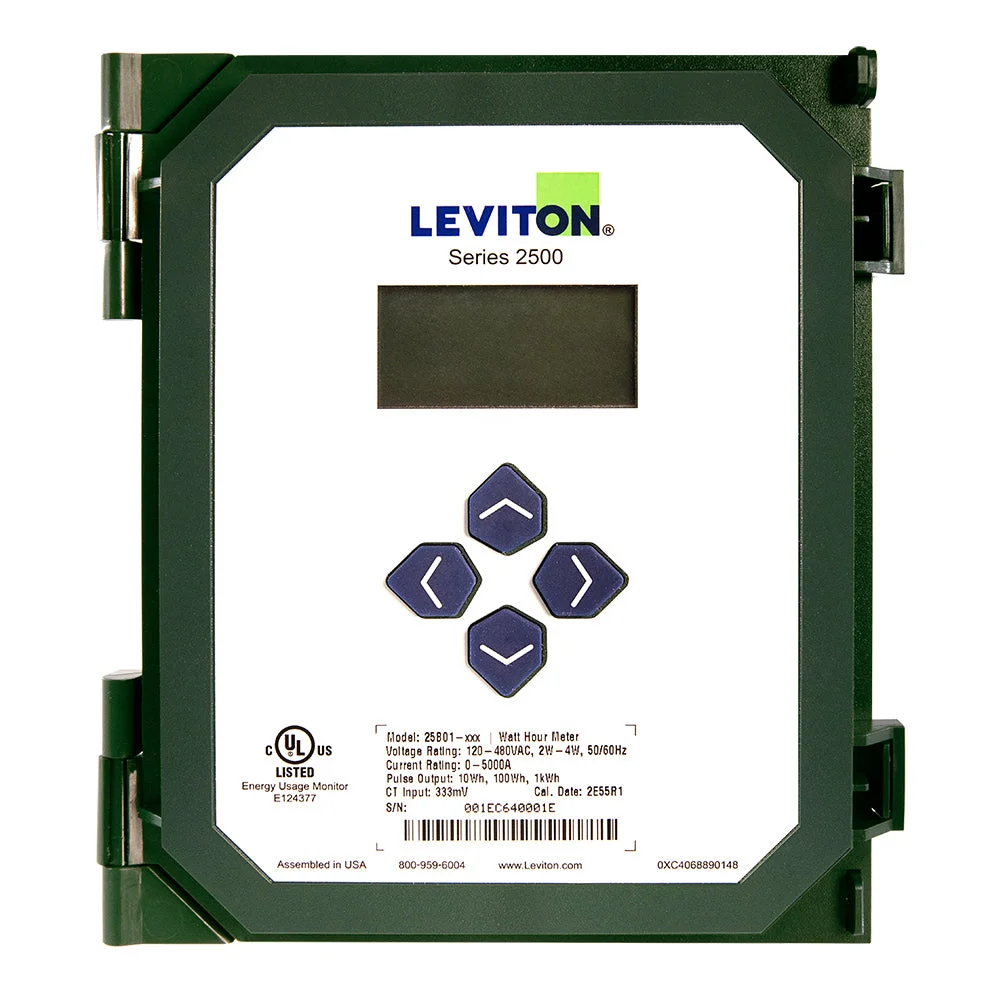
The pictured Leviton VerifEye submeter is a monitoring product example. Metering can help characterize use, while a load calculation, distribution assessment, and equipment review answer different design questions. Ask what information supports the recommendation and whether the scope includes controls, communications, commissioning, or only electrical installation. A good proposal identifies those boundaries so neither the owner nor another trade assumes an essential connection is someone else’s responsibility.
VerifEye Submeter, 120/208V, 120/240V, & 277/480V, Single, Split, and 3-Phase Programmable, Pulse/Modbus, 25B01-000Product source: Leviton
Manufacturer product photographs illustrate the equipment discussed, not completed EmergenServe installations. Models are examples; availability, specifications, and compatibility must be confirmed. Source attribution does not imply a manufacturer partnership.
Lowcountry conditions that affect the work
Humidity, outdoor moisture, retained finishes, and concealed wiring can all affect the scope of an electrical project in the Lowcountry. Coastal exposure calls for equipment suited to the actual mounting location, not a generic claim that every enclosure is weatherproof. In older buildings, assess the conductors and prior alterations rather than judging by faceplates. Newer construction still needs a load calculation when substantial equipment is added.
For this project, assess operating loads, business continuity, equipment requirements, and access for safe maintenance at the actual address. Confirm the parcel’s jurisdiction before scheduling work that requires a permit. Inspection or utility scheduling can affect completion; ask about the sequence rather than treating an estimated date as a guaranteed reconnection time.
Prepare for a useful estimate
Provide equipment schedules and available electrical drawings.
Identify permitted shutdown windows and critical operations.
Confirm tenant, owner, and other-trade responsibilities.
Pricing depends on the agreed equipment, routing, access, existing conditions, and any required permits or utility work. Existing starting prices elsewhere on this page are not a quote for every configuration. Compare written scopes and confirm finish repairs, supplied materials, testing, and exclusions. No new price or manufacturer warranty is implied by the product examples in this guide.