EmergenServe, LLC BBB Business Review
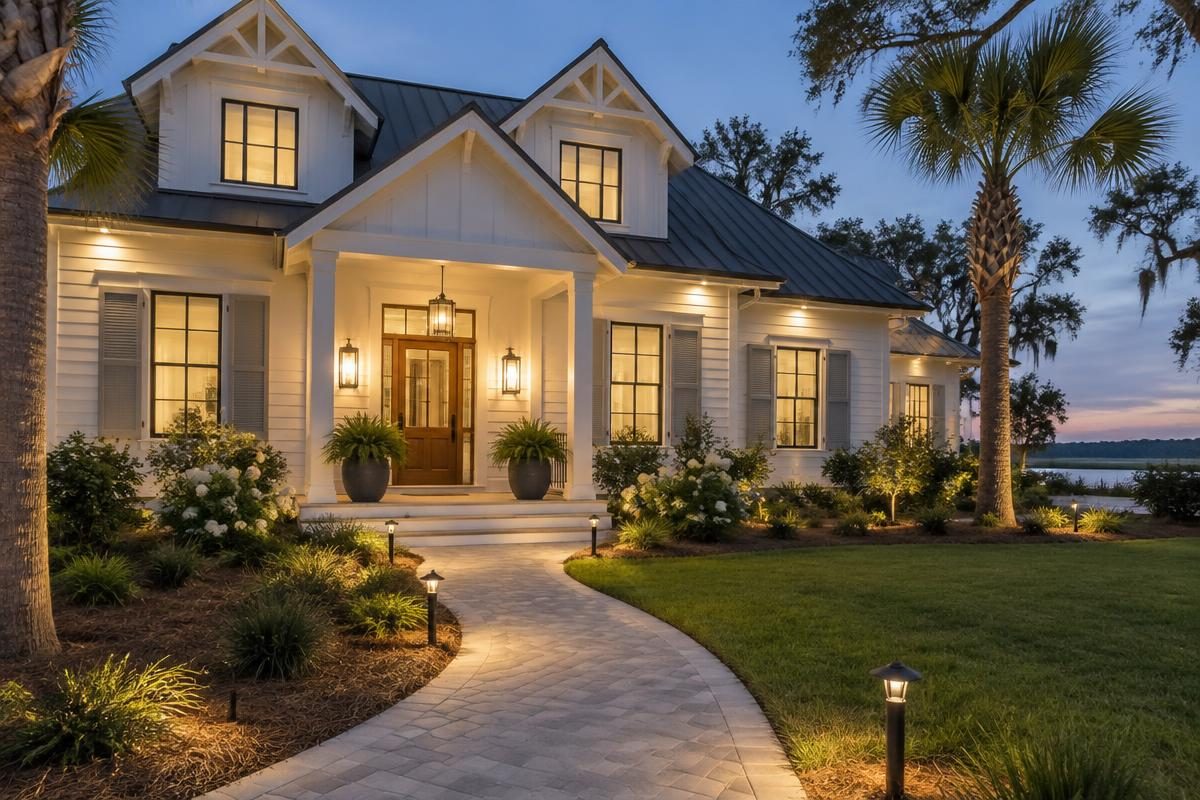
    Exterior wall lights and pathway lighting at a coastal home at dusk; illustration of electrical services available in Charleston, SC

    Security Lighting · Charleston Lowcountry

    Security Lighting Installation Across the Charleston Lowcountry

    Licensed and insured electricians answering live 24 hours a day, serving Charleston, Berkeley, and Dorchester counties.

    SC Licensed
    24/7 Service
    5-Star Rated
    Lowcountry Based

    Who provides security lighting installation in Charleston, SC?

    EmergenServe provides security lighting installation throughout Charleston, Berkeley, and Dorchester counties. Call (843) 754-1671 any hour for a licensed electrician, a flat rate quote, and permit and inspection handled start to finish.

    (843) 754-1671, available 24/7

    About Security Lighting Installation

    Security lighting works when it eliminates hiding places without blinding your own cameras. Overly bright floods aimed at a driveway wash out plate numbers and faces, while a properly aimed layer of lower output fixtures gives cameras usable images all night.

    EmergenServe installs hardwired motion, dusk to dawn, and camera integrated lighting for homes and small commercial properties throughout the Lowcountry. Hardwired means the fixture is still working in year five, when battery and solar units have long since stopped.

    Motion floodlight installation on existing circuits runs 250 to 500 dollars per fixture. New circuits, pole lighting, and commercial wall pack projects are quoted by scope.

    What Is Included

    Motion activated LED floodlights at entries, driveways, and side yards
    Dusk to dawn perimeter and parking area lighting
    Camera integrated fixtures wired to constant power
    Detached garage, shed, and dock area coverage
    Photocell, timer, and smart schedule controls
    Commercial wall packs and parking lot pole lighting
    Aiming and shielding to prevent camera glare and neighbor spill
    Emergency and egress lighting for commercial properties

    Signs You Need This Now

    • Dark side yards, alleys, or blind spots around the property
    • Cameras produce unusable footage after dark
    • Existing floodlights are battery or solar and unreliable
    • Motion sensors trigger constantly or not at all
    • A break in or attempted entry occurred nearby
    • A commercial lot has burned out or unlit fixtures

    Our Process

    1. 01Night walk of the property to identify actual dark zones
    2. 02Fixture and control plan with a flat rate quote
    3. 03Hardwired circuits run with weatherproof terminations
    4. 04Sensors tuned for range, sensitivity, and dwell time
    5. 05Aiming verified against your camera footage before we leave

    Security Lighting Installation FAQ

    How bright should security lighting be?

    Even coverage matters more than raw lumens. We usually recommend multiple lower output fixtures over a single harsh flood, which improves camera usability and reduces neighbor complaints.

    Hardwired or solar security lights?

    Hardwired. Solar units in shaded Lowcountry yards rarely hold charge through a full night by their second season.

    Can you tie lighting to my existing camera system?

    Yes. We wire camera integrated fixtures to constant power and coordinate placement so the lighting supports rather than blinds the cameras.

    Equipment & planning guide · the Charleston Lowcountry

    Lighting fixtures, controls, and room-by-room planning

    Use this guide to compare options before booking. For this work, the important starting points are fixture placement, existing wiring, ceiling access, and compatibility between lamps and controls. Exact equipment selection follows an assessment of your property, the manufacturer’s instructions, and applicable local requirements.

    01

    Layer the light instead of increasing wattage

    General illumination, task lighting, and accent lighting serve different purposes. A bright ceiling fixture can still leave a kitchen work surface shadowed, while a row of downlights can create glare without making a living room comfortable. Start with how the room is used, where people sit or stand, and which surfaces need light. Beam angle, fixture spacing, mounting height, and reflected light matter as much as the number printed on the package.

    Color temperature describes the appearance of the light, while color rendering affects how materials and skin tones look. Warmer light often suits relaxed spaces; neutral light may be useful for detailed work. These are preferences, not universal rules. Keep adjacent fixtures visually consistent and consider a sample before committing to an entire room. An electrician can assess the wiring and controls, while fixture selection should also account for appearance, serviceability, and the manufacturer’s placement guidance.
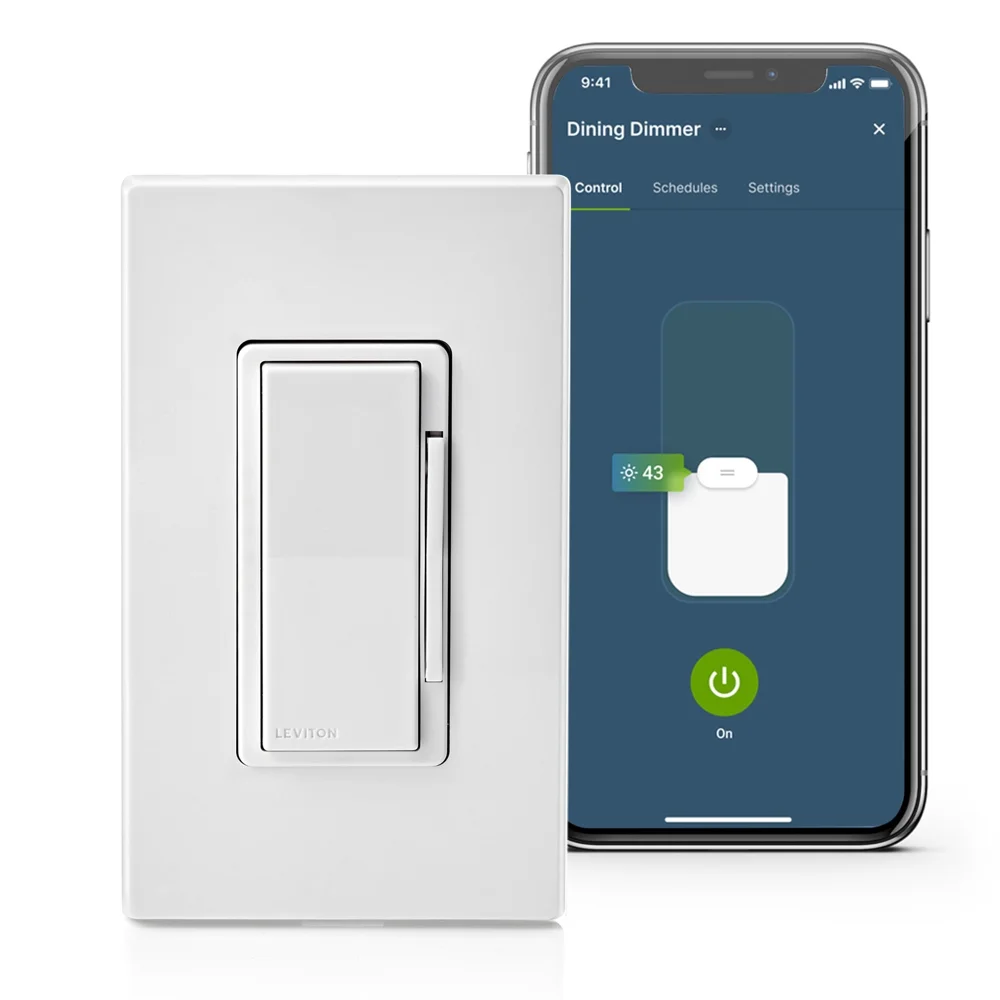
    Decora Smart Dimmer Switch, Wi-Fi, Works with Matter, My Leviton, Alexa, Google Assistant, Apple Home/Siri & Wired or Wire-Free 3-Way, Neutral Wire Required, D36HD-1RW, White manufacturer product photo, Layer the light instead of increasing wattage guide for the Charleston Lowcountry
    Decora Smart Dimmer Switch, Wi-Fi, Works with Matter, My Leviton, Alexa, Google Assistant, Apple Home/Siri & Wired or Wire-Free 3-Way, Neutral Wire Required, D36HD-1RW, WhiteProduct source: Leviton
    02

    LED dimming depends on compatibility

    An LED lamp marked dimmable is not automatically compatible with every dimmer. The driver, control method, minimum load, and number of connected fixtures influence low-end performance. Flickering, buzzing, delayed start, or lamps that never switch fully off can result from an unsuitable pairing or an installation issue. Lutron and Leviton publish compatibility and product information to help narrow the choice. Manufacturer instructions remain more useful than a general promise that a dimmer works with all LEDs.

    The pictured Leviton Decora Smart dimmer illustrates a connected control that can add schedules and app operation when its wiring and network requirements are met. Smart controls may require a neutral and can behave differently in multi-location circuits. Before choosing one, confirm manual operation, household access, and what happens when Wi-Fi is unavailable. A conventional compatible dimmer can be the better choice when a simple, reliable wall control is the real goal.

    03

    Recessed fixtures and ceiling construction

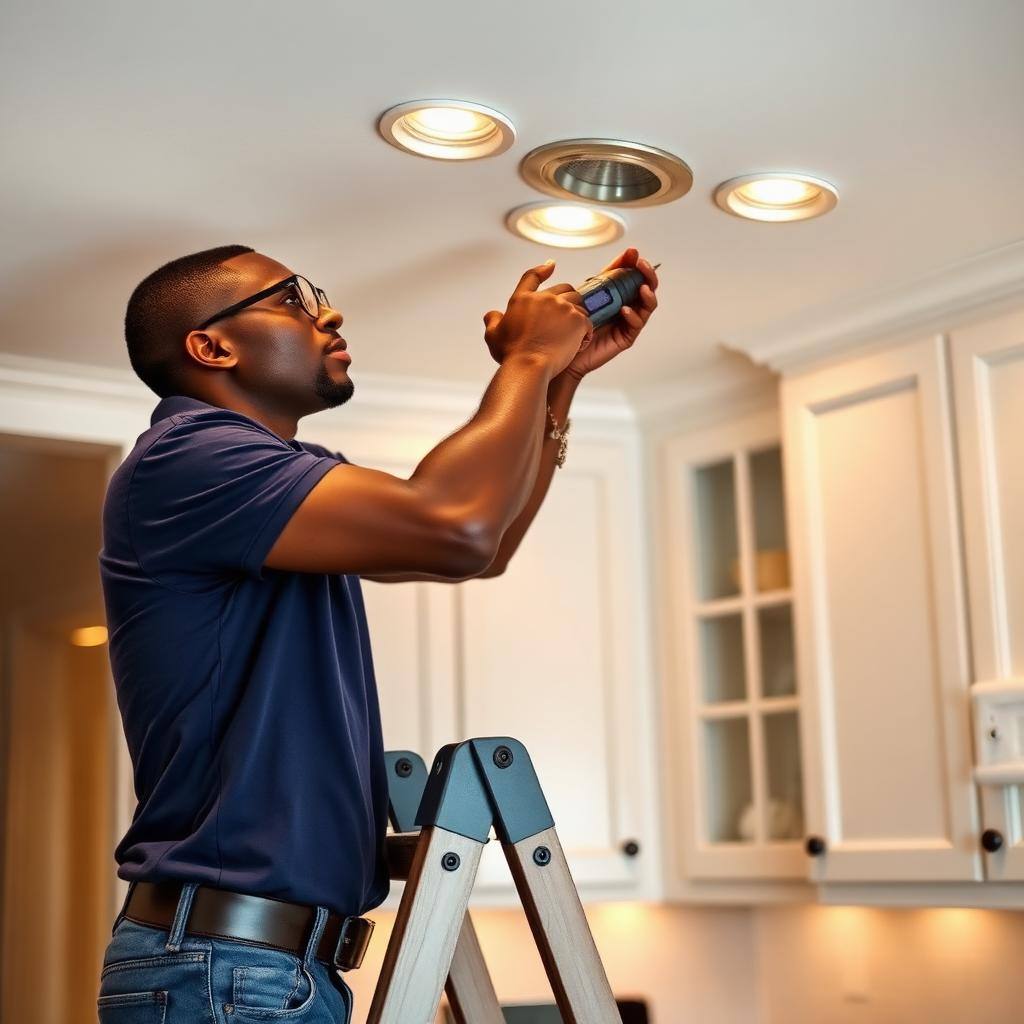
    Canless LED downlights and traditional recessed housings differ in access, driver placement, trim flexibility, and future replacement options. A slim fixture does not remove the need to respect clearances, insulation-contact ratings, air-sealing requirements, and the manufacturer’s installation instructions. Above a finished ceiling, joists, ducts, pipes, and existing wiring may prevent an ideal drawing from translating directly into the desired layout.

    Discuss the positions before openings are cut, especially near cabinets, artwork, television screens, and seating. The scope should distinguish new wiring from fixture replacement and explain any patching responsibility. For exterior soffits or bathrooms, the location rating needs to match actual exposure. Brands such as HALO, Juno, and Lithonia offer different fixture families; a brand name alone does not establish suitability. Choose the exact listed product rather than relying only on diameter or advertised brightness.

    04

    Commercial lighting and outdoor reliability

    Commercial lighting projects also involve operating hours, emergency lighting, maintenance access, and the lighting needs of occupants. Retrofitting lamps is different from replacing fixtures or modifying controls. A proposal should identify the existing equipment, driver or ballast work, disposal responsibilities, and whether occupancy or daylight controls are part of the design. Ask how the selected equipment will be serviced later, particularly in high ceilings or areas where a lift is required.

    Exterior lighting needs attention to water entry, corrosion, glare, aiming, and unwanted light beyond the property. Motion sensors should be positioned for the intended approach path rather than aimed indiscriminately at moving branches or traffic. Persistent flicker or tripping deserves investigation of both the fixture and its supply. Maintenance is safer when the circuit is clearly identified and access is planned; reaching a corroded fixture with an improvised ladder is not a sensible long-term strategy.

    Manufacturer product photographs illustrate the equipment discussed, not completed EmergenServe installations. Models are examples; availability, specifications, and compatibility must be confirmed. Source attribution does not imply a manufacturer partnership.

    Lowcountry conditions that affect the work

    Humidity, outdoor moisture, retained finishes, and concealed wiring can all affect the scope of an electrical project in the Lowcountry. Coastal exposure calls for equipment suited to the actual mounting location, not a generic claim that every enclosure is weatherproof. In older buildings, assess the conductors and prior alterations rather than judging by faceplates. Newer construction still needs a load calculation when substantial equipment is added.

    For this project, assess fixture placement, existing wiring, ceiling access, and compatibility between lamps and controls at the actual address. Confirm the parcel’s jurisdiction before scheduling work that requires a permit. Inspection or utility scheduling can affect completion; ask about the sequence rather than treating an estimated date as a guaranteed reconnection time.

    Prepare for a useful estimate

    • Identify whether you need general, task, accent, or security lighting.
    • Bring fixture model numbers and the dimmer compatibility information.
    • Note ceiling height, insulation, and access above the room.

    Pricing depends on the agreed equipment, routing, access, existing conditions, and any required permits or utility work. Existing starting prices elsewhere on this page are not a quote for every configuration. Compare written scopes and confirm finish repairs, supplied materials, testing, and exclusions. No new price or manufacturer warranty is implied by the product examples in this guide.

    Contact Us

    Book Your Appointment Online

    Pick your service and a time that works for you below. Your request goes straight to our scheduling team. Prefer a full page? Open booking in a new tab.

    Call Us Directly

    (843) 754-1671

    Available for emergency calls 24/7

    Business Hours

    • Monday, Friday7am, 5pm
    • SaturdayBy Appointment
    • SundayClosed

    Emergency Services Available 24/7

    Why Charleston Trusts EmergenServe

    • Licensed, Bonded & Insured

      SC Commercial Contractor License #M118613. Active general liability and workers' comp coverage. COI sent to your GC, HOA, or closing attorney the same day you ask.

    • 5.0-Star Google Rated

      Google Screened and BBB Accredited with 33 real Google reviews from Charleston, Mount Pleasant, Summerville, and across the Lowcountry.

    • Upfront Flat-Rate Pricing

      Every job is priced before we lift a tool. No clock running, no surprise add-ons, no guessing what the bill will look like when we're done.

    • 100% Satisfaction Guarantee

      If something isn't right, we come back and fix it. Workmanship stands behind every breaker, outlet, fixture, and panel we install.

    EmergenServe, LLC BBB Business Review