

Why Choose Local Family-Owned Electricians
Table of Contents
- The Advantage of Local Ownership and Accountability
- Speed and Reliability: Why Local Matters in Emergencies
- Questions to Ask an Electrician Before Hiring
- Verifying Your Licensed Electrician in South Carolina
- How to Compare Electrical Contractor Estimates Fairly
- Community Knowledge and Specialized Experience
- The Trust Factor: Insurance, Bonding, and Guarantees
- Frequently Asked Questions
Last Updated: October 11, 2026
The Advantage of Local Ownership and Accountability
When electrical problems strike, the difference between a faceless corporation and a local family-owned business becomes clear. Local family-owned electricians operate with their reputation on the line every single day. They answer to neighbors, not distant shareholders. This accountability shapes how they work.
A family business depends on repeat customers and word-of-mouth referrals within the same community. If work is shoddy, everyone knows it. If service is exceptional, that reputation spreads fast. EmergenServe, serving the Lowcountry region, exemplifies this commitment. The team shows up on time, completes work correctly, and stands behind every job because their name is literally on the door.
Local ownership also means faster decision-making. Need an exception to standard procedure? A family-owned operation can approve it immediately. A large corporation requires approval from multiple layers of management. That speed matters when your home has no power or your business is offline.
Speed and Reliability: Why Local Matters in Emergencies
Emergencies don't wait for business hours. A panel fire at 2 AM demands immediate response, not a callback in the morning. Local electricians understand this urgency in a way that distant call centers cannot.
Response time becomes the critical factor when your electrical system fails. Local family-owned electricians in North Charleston can reach you quickly because they're already in the community. No long drive from a distant service center. EmergenServe offers a 60-minute emergency response time, which reflects genuine local presence and commitment.
Same-day booking matters equally. When you call a local family business, you're talking to someone who can actually schedule work that afternoon or evening. Large contractors often book weeks out. For electrical emergencies, waiting isn't an option.
Reliability also improves when the electrician knows your neighborhood. They understand local building codes, common issues in older homes, and typical electrical loads for the area. This familiarity reduces diagnostic time and increases accuracy on the first visit.
Questions to Ask an Electrician Before Hiring
Before hiring any electrician, prepare specific questions that reveal their expertise and professionalism. These questions separate experienced professionals from inexperienced contractors.
Start with licensing and insurance. Ask directly: "Are you licensed in South Carolina?" Follow up with "What's your license number?" and "Can you provide proof of current insurance and bonding?" Legitimate electricians answer these immediately without defensiveness. They expect the question.
Ask about experience with your specific issue. For older homes, inquire: "Have you worked on properties built in the 1920s?" For commercial work: "Do you have experience with three-phase systems?" For modern installations: "Have you installed EV chargers before?" Specific experience matters far more than general claims of expertise.
Request references from recent jobs similar to yours. A contractor who won't provide references is hiding something. Call those references and ask specific questions: Did work finish on time? Were there unexpected costs? Would you hire them again?
Ask about warranty and guarantees. What happens if the work fails? How long is the warranty? Will they return to fix issues at no charge? Confidence in workmanship shows in the warranty offered.
Inquire about the estimate process. Will they provide a written estimate? How detailed is it? Do they charge for estimates? Professional electricians provide detailed written estimates that break down labor and materials.
Verifying Your Licensed Electrician in South Carolina
South Carolina requires electrical contractors to be licensed. This isn't optional or negotiable. Unlicensed work puts your home at risk and may void insurance coverage.
The South Carolina Department of Labor, Licensing and Regulation (SCDHLLR) maintains records of licensed electricians. You can verify a contractor's license status through their online database. Search by name or license number to confirm the electrician is currently licensed and in good standing.
Check for disciplinary history. The same database shows whether an electrician has faced complaints or disciplinary action. Multiple complaints indicate a pattern of problems. One resolved complaint may be acceptable, depending on the nature.
Ask the electrician directly for their license number and verification details. Professional electricians provide this information readily. They may even show you their physical license. Hesitation or vague answers should trigger concern.
For North Charleston specifically, verify that the electrician's license covers residential and commercial work if needed. Some licenses restrict scope. Confirm the license matches the work you're requesting.
Bonding and insurance are separate from licensing. Licensing proves qualification. Bonding and insurance protect you if something goes wrong. Ask for proof of both. A licensed electrician without bonding or insurance is a liability.
How to Compare Electrical Contractor Estimates Fairly
Comparing estimates requires understanding what you're actually comparing. Three estimates with vastly different prices often reflect different scopes of work, not quality differences.
Request written estimates from at least three contractors. Each estimate should itemize labor, materials, and any additional fees. Vague estimates like "electrical work: $1,500" tell you nothing. Detailed estimates break down the actual work planned.
Ensure all three estimates address the identical scope. If one contractor proposes a different solution, ask why. Sometimes different approaches exist, and the electrician should explain the reasoning. If estimates differ wildly in scope, they're not truly comparable.
Watch for hidden fees. Some contractors quote low initially, then add charges for permits, inspections, or disposal. Ask explicitly: "Is this the total price, or are there additional fees?" Get everything in writing.
Compare timeline as well as price. The cheapest estimate that takes three weeks may not be better than a slightly higher estimate with same-day availability. For emergencies, speed has value.
Consider the contractor's local presence. A local family-owned business like EmergenServe has invested in the community and has ongoing relationships to maintain. That's different from a contractor passing through town once.
Community Knowledge and Specialized Experience
Local electricians accumulate specialized knowledge that outsiders simply don't have. They've worked on homes and businesses throughout North Charleston and the surrounding Lowcountry for years. This experience translates directly into better service.
Older homes in the area often have original wiring from the 1920s or 1950s. A contractor unfamiliar with these systems may recommend complete rewiring when selective upgrades would suffice. Local electricians know what works and what actually needs replacement.
The Lowcountry's climate creates specific electrical challenges. Humidity, salt air, and coastal weather accelerate corrosion. Local electricians understand these environmental factors and specify materials that hold up. They know which upgrades are essential for coastal properties.
Commercial electrical needs vary by industry. A restaurant requires different electrical infrastructure than an office or retail space. Local contractors have experience across multiple business types in the area. They understand the specific demands of local commercial operations.
Specialized installations like EV chargers, generators, and solar systems require particular expertise. EmergenServe specializes in modern electrical infrastructure, including EV charger installations. This specialized knowledge prevents costly mistakes during installation.
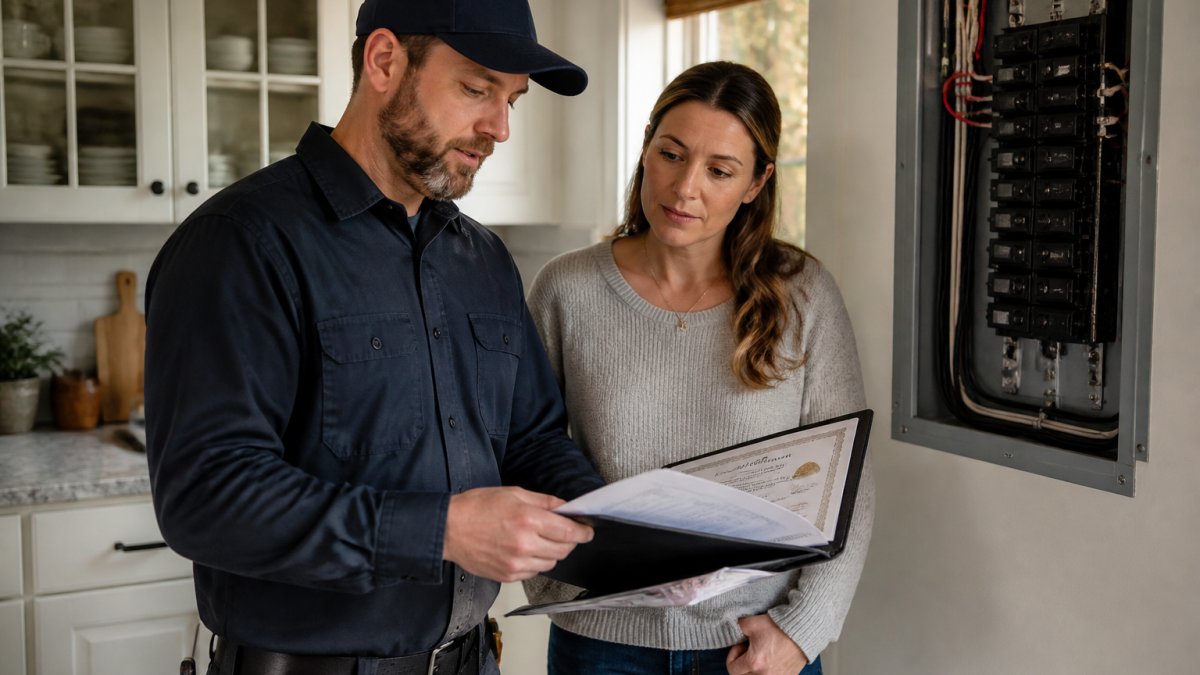
The Trust Factor: Insurance, Bonding, and Guarantees
Insurance and bonding separate professional contractors from uninsured amateurs. These protections exist for your benefit, not the contractor's.
Insurance covers damage to your property during work. If an electrician accidentally damages your wall while running wire, their insurance pays for repairs. Without insurance, you pay out of pocket. Verify the contractor carries general liability insurance and ask for proof.
Bonding is a financial guarantee. If the contractor fails to complete work or performs it incorrectly, the bonding company compensates you. This is your recourse if problems arise. Licensed electricians in South Carolina should carry bonding. Verify the bond is current and adequate for your project scope.
Guarantees on workmanship matter equally. What happens if the work fails within the first year? Professional contractors guarantee their work for a specified period. This guarantee reflects confidence in quality. A contractor unwilling to guarantee work is admitting uncertainty about quality.
EmergenServe's licensing, bonding, and insurance status provides protection and accountability. When hiring any electrician in North Charleston, verify all three elements before work begins.
Ask specifically: "What's your guarantee if something goes wrong?" Get the answer in writing. A vague verbal promise isn't binding. Written guarantees protect both parties by clarifying expectations.
The trust factor ultimately depends on verifiable credentials. Licensed status, active insurance, current bonding, and written guarantees create accountability. These aren't bureaucratic formalities. They're the foundation of professional service.
Choosing a local family-owned electrician means partnering with someone invested in your community. When electrical problems strike, having a trusted local contractor nearby makes all the difference. EmergenServe brings 24/7 emergency availability, licensed expertise, and same-day service to North Charleston and the Lowcountry. With 60-minute emergency response and a commitment to doing the job right the first time, local family-owned electricians deliver reliability that national chains cannot match. Schedule Service Now with EmergenServe and experience the advantage of working with electricians who answer to their neighbors, not distant corporate offices.
Frequently Asked Questions
Why choose local family-owned electricians over larger national chains?
Local family-owned electricians are invested in their community's reputation and typically offer faster response times, personalized service, and deeper knowledge of regional electrical codes and older home construction. They depend on word-of-mouth and customer loyalty rather than corporate marketing, which means they prioritize quality and accountability. Many can also provide same-day service and 24/7 emergency availability because they operate locally rather than dispatching from distant service centers.
What questions should I ask an electrician before hiring them?
Ask about their licensing status, insurance coverage, bonding, and years of experience with your specific project type. Request references from recent jobs, inquire about their pricing structure (flat rate vs. hourly), ask for a detailed written estimate, and confirm their availability for your timeline. Also ask how they handle unexpected issues that arise during work and whether they provide any guarantees on their labor. These questions help you verify competence and set clear expectations before work begins.
How can I verify an electrician is licensed in South Carolina?
You can verify licensure through the South Carolina Department of Labor, Licensing and Regulation (SCDHLLR), which maintains a database of licensed electricians and contractors. Ask the electrician for their license number and check it independently before hiring. Licensed electricians must meet training requirements, pass exams, and maintain their credentials through continuing education. Verification ensures they meet state safety standards and have the legal authority to perform electrical work in your area.
How do I compare electrical contractor estimates fairly?
Request detailed written estimates from multiple contractors that break down labor, materials, and any additional costs. Ensure each estimate addresses the same scope of work so you're comparing apples to apples. The lowest price isn't always the best value; consider the contractor's experience, response time, warranty terms, and customer reviews. Ask whether the estimate includes permits, inspections, and cleanup. A thorough estimate comparison reveals which contractor understands your project and stands behind their work.
