EmergenServe, LLC BBB Business Review
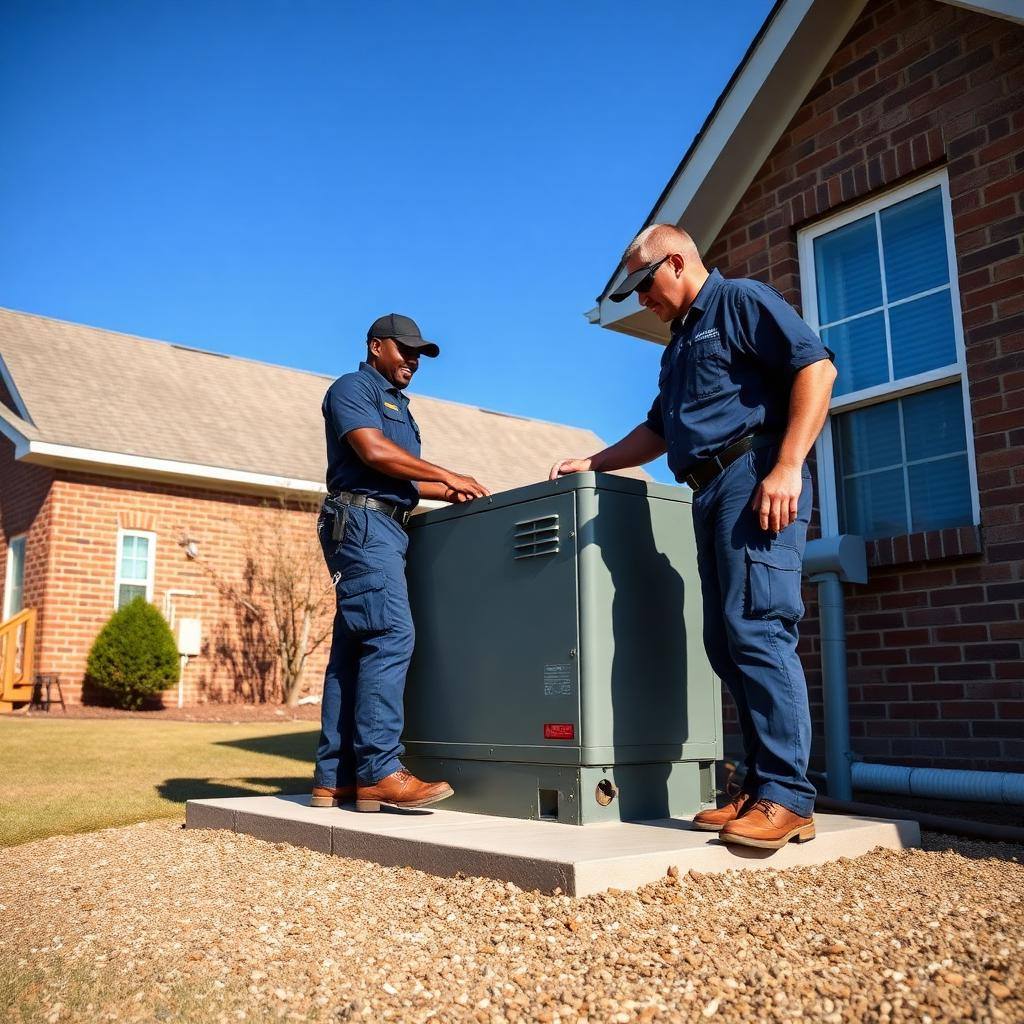
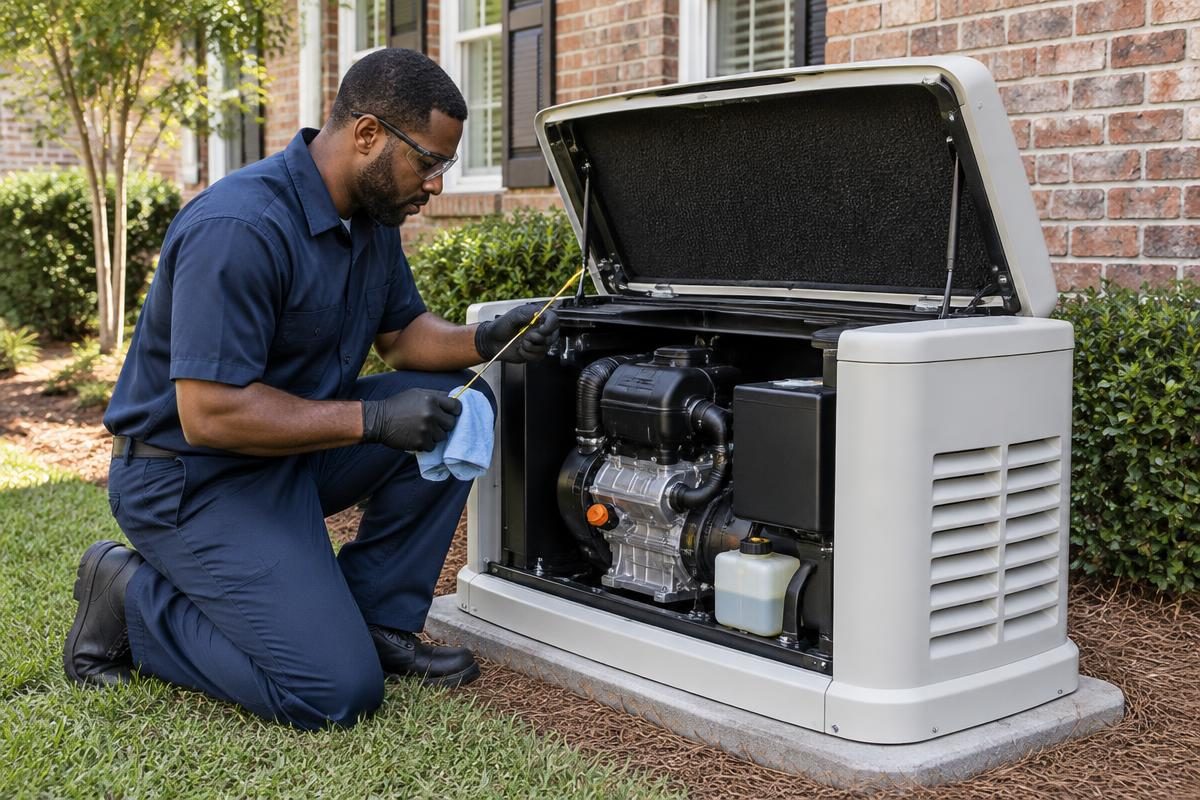
    Technician checking the oil dipstick during standby generator maintenance; illustration of electrical services available in Charleston, SC

    Generator Maintenance · Charleston Lowcountry

    Generator Maintenance Across the Charleston Lowcountry

    Licensed and insured electricians answering live 24 hours a day, serving Charleston, Berkeley, and Dorchester counties.

    SC Licensed
    24/7 Service
    5-Star Rated
    Lowcountry Based

    Who provides generator maintenance in Charleston, SC?

    EmergenServe provides generator maintenance throughout Charleston, Berkeley, and Dorchester counties. Call (843) 754-1671 any hour for a licensed electrician, a flat rate quote, and permit and inspection handled start to finish.

    (843) 754-1671, available 24/7

    About Generator Maintenance

    Standby generators fail from neglect far more often than from wear. A unit that sits for eleven months and runs five minutes a week still needs oil, filters, a load test, and a battery it can actually crank on. Manufacturer warranties assume that service happens on schedule and are routinely denied when it does not.

    EmergenServe runs scheduled maintenance across the Lowcountry with hurricane season as the deadline. Our standard visit covers the engine, the controller, the transfer switch, and the fuel path, and we leave a written record you can hand to a warranty claim adjuster.

    Annual maintenance plans start around 325 dollars for air cooled residential units and scale with engine size. Semi annual plans include priority storm response.

    What Is Included

    Oil and filter change with manufacturer specified weight
    Air filter, spark plug, and valve lash service
    Battery load test and terminal cleaning or replacement
    Controller fault history review and firmware check
    Automatic transfer switch inspection and simulated outage test
    Fuel line, regulator, and gas pressure verification
    Enclosure corrosion treatment and rodent intrusion check
    Written service record for warranty compliance

    Signs You Need This Now

    • It has been more than a year since the last service
    • The weekly exercise cycle is not running
    • The controller shows a maintenance due message
    • Hurricane season starts within ninety days
    • The unit is new and the warranty requires documented service
    • The generator was inherited with the house

    Our Process

    1. 01Scheduled visit before hurricane season or at your annual interval
    2. 02Full engine, battery, controller, and transfer switch service
    3. 03Simulated utility failure to prove the whole system transfers
    4. 04Any findings quoted separately with no pressure to proceed
    5. 05Written service record emailed and filed for warranty purposes

    Generator Maintenance FAQ

    How often does a standby generator need maintenance?

    Follow the maintenance schedule for your generator model, fuel type, operating hours, and use conditions. Service may be due by elapsed time or run hours, whichever comes first, with additional checks after extended operation. We confirm the interval, service tasks, and warranty requirements from the manufacturer’s instructions.

    Will skipping maintenance void my warranty?

    It can. Generac, Kohler, and Cummins all require documented maintenance intervals. We provide a dated written record after every visit for exactly that reason.

    Do you test the transfer switch too?

    Yes. We simulate a utility outage on every maintenance visit, because a healthy engine behind a failed transfer switch still leaves the house dark.

    Equipment & planning guide · the Charleston Lowcountry

    Standby generators, transfer equipment, and reliable backup

    Use this guide to compare options before booking. For this work, the important starting points are the loads that need backup, fuel availability, placement, and the approved transfer arrangement. Exact equipment selection follows an assessment of your property, the manufacturer’s instructions, and applicable local requirements.

    01

    Essential-load backup or a larger standby system?

    Generator selection starts with the loads you need to operate and their starting demands. A refrigerator, lighting, communications, medical equipment, and a heating or cooling system can create very different priorities from a whole-property backup goal. Motor starting current can be significant, and some loads can be managed rather than supplied simultaneously. A properly developed load plan is more useful than choosing a unit solely by house size.

    The pictured Generac Guardian is an actual standby generator product example. Generac, Kohler, and Cummins offer different residential and commercial families, with model-specific ratings and requirements. Generator output can vary with fuel type and operating conditions, so compare the exact specifications rather than a headline rating. A proposal should distinguish the generator, transfer equipment, fuel work, pad or support, permits, and any load-management equipment.
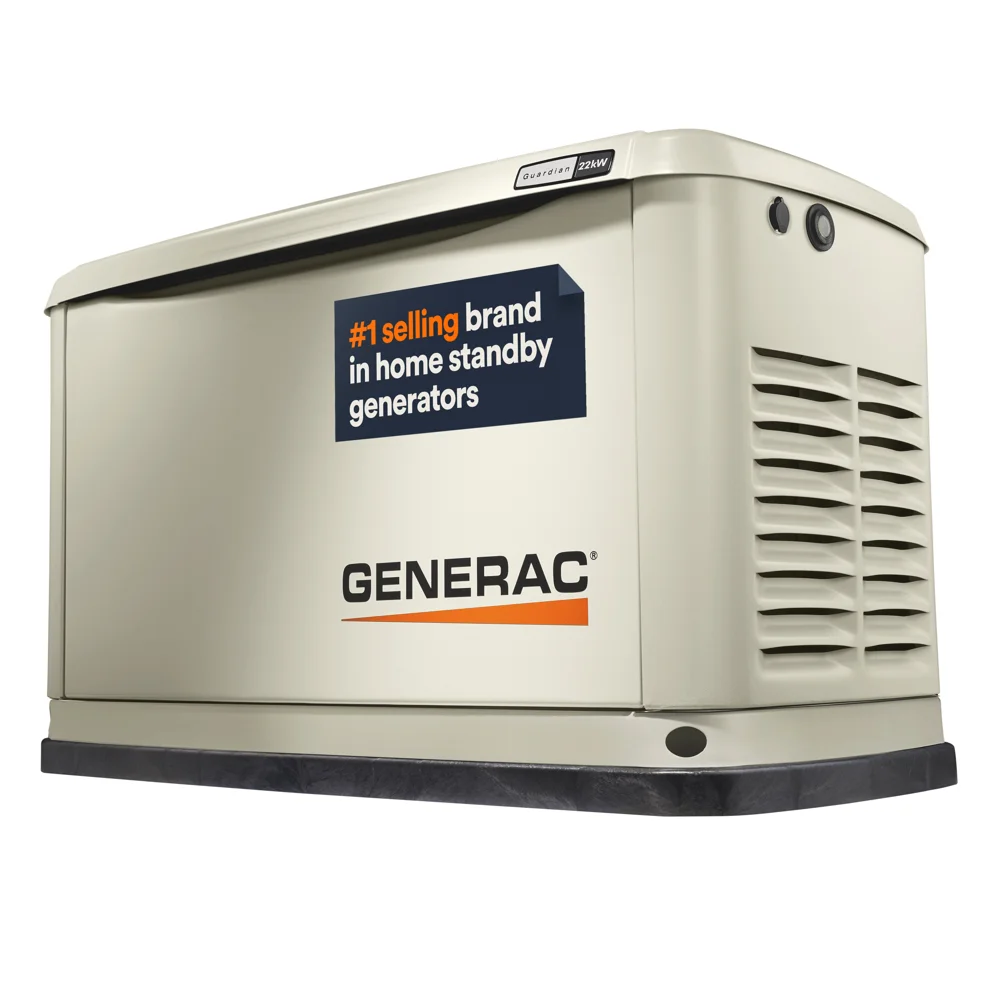
    Generac Guardian standby generator manufacturer product photo, Essential-load backup or a larger standby system? guide for the Charleston Lowcountry
    Generac Guardian standby generatorProduct source: Generac
    02

    Transfer equipment prevents dangerous backfeed

    A generator cannot safely be connected to a building by feeding power backward through a receptacle. An approved transfer arrangement separates the utility source from the generator source and follows the requirements of the installed equipment. Automatic transfer switches and properly applied manual arrangements serve different needs. The design also determines which loads are supplied and how the system handles the return of utility power.

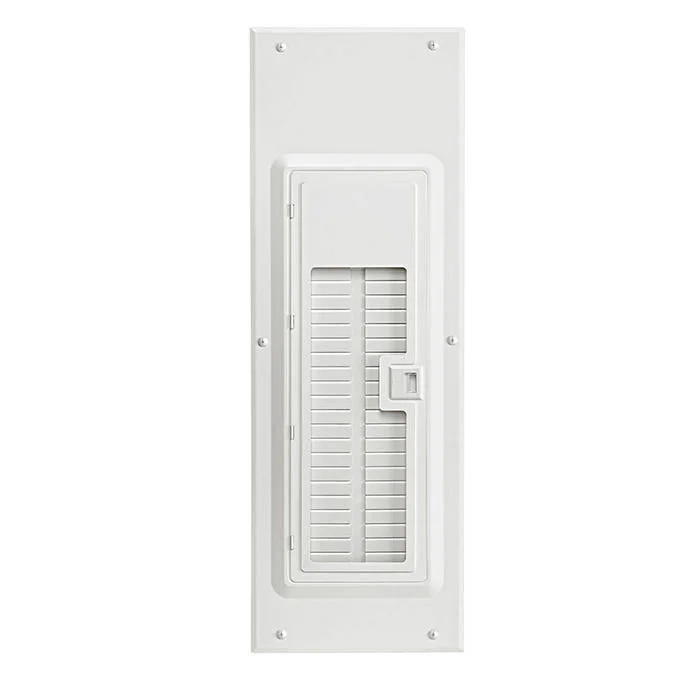
    The pictured load center represents distribution equipment, not a transfer switch. Existing service configuration, grounding and bonding, service-rated equipment requirements, and generator instructions all influence the installation. Never improvise a connection during a storm or use a homemade cable to energize a house. For portable generators, follow the manufacturer’s outdoor placement and carbon-monoxide safety guidance; a garage, porch enclosure, or open doorway is not a substitute for safe placement.

    42 Space Indoor Load Center and Door with Window, LDC42-W manufacturer product photo, Transfer equipment prevents dangerous backfeed guide for the Charleston Lowcountry
    42 Space Indoor Load Center and Door with Window, LDC42-WProduct source: Leviton
    03

    Placement, fuel, and coastal exposure

    Placement needs to account for manufacturer clearances, building openings, exhaust, service access, local requirements, and site conditions. A location that looks convenient near the meter may be unsuitable near a window, vent, boundary, or flood-prone area. Fuel sizing and delivery also matter, especially when other appliances share the supply. Electrical work and fuel work should be coordinated with the appropriate trades.

    Coastal humidity and salt exposure make enclosure condition and routine care important. Ask how the installation will accommodate drainage, access for service, and the actual site exposure. If elevated mounting is considered, it must be designed for the equipment and applicable requirements. Discuss noise expectations and exercise scheduling before the unit is installed. A quiet advertised rating does not eliminate the need for thoughtful siting and consideration of nearby occupied spaces.

    04

    Maintenance and diagnosing a unit that will not start

    Standby generators need maintenance even when outages are rare. Exercise schedules, oil and filter service, battery condition, and other tasks vary by model and usage. Keep the service schedule from the manufacturer rather than adopting a generic interval from another generator. After an extended outage, the operating hours can change the maintenance needs significantly.

    A failed start can arise from fuel, battery, controls, electrical connections, or mechanical issues. Record the fault message, the time, recent maintenance, and whether the failure occurred during exercise or a real outage. Do not repeatedly attempt operation when there is visible damage, a fuel smell, abnormal noise, or an unsafe condition. Ask the service provider to distinguish a generator repair from a transfer or building-wiring fault and to explain the test that confirms normal operation afterward.

    Manufacturer product photographs illustrate the equipment discussed, not completed EmergenServe installations. Models are examples; availability, specifications, and compatibility must be confirmed. Source attribution does not imply a manufacturer partnership.

    Lowcountry conditions that affect the work

    Humidity, outdoor moisture, retained finishes, and concealed wiring can all affect the scope of an electrical project in the Lowcountry. Coastal exposure calls for equipment suited to the actual mounting location, not a generic claim that every enclosure is weatherproof. In older buildings, assess the conductors and prior alterations rather than judging by faceplates. Newer construction still needs a load calculation when substantial equipment is added.

    For this project, assess the loads that need backup, fuel availability, placement, and the approved transfer arrangement at the actual address. Confirm the parcel’s jurisdiction before scheduling work that requires a permit. Inspection or utility scheduling can affect completion; ask about the sequence rather than treating an estimated date as a guaranteed reconnection time.

    Prepare for a useful estimate

    • Prioritize essential circuits and large motor loads.
    • Identify the fuel source and existing service equipment.
    • Discuss exercise cycles, maintenance access, and outage expectations.

    Pricing depends on the agreed equipment, routing, access, existing conditions, and any required permits or utility work. Existing starting prices elsewhere on this page are not a quote for every configuration. Compare written scopes and confirm finish repairs, supplied materials, testing, and exclusions. No new price or manufacturer warranty is implied by the product examples in this guide.

    Contact Us

    Book Your Appointment Online

    Pick your service and a time that works for you below. Your request goes straight to our scheduling team. Prefer a full page? Open booking in a new tab.

    Call Us Directly

    (843) 754-1671

    Available for emergency calls 24/7

    Business Hours

    • Monday, Friday7am, 5pm
    • SaturdayBy Appointment
    • SundayClosed

    Emergency Services Available 24/7

    Why Charleston Trusts EmergenServe

    • Licensed, Bonded & Insured

      SC Commercial Contractor License #M118613. Active general liability and workers' comp coverage. COI sent to your GC, HOA, or closing attorney the same day you ask.

    • 5.0-Star Google Rated

      Google Screened and BBB Accredited with 33 real Google reviews from Charleston, Mount Pleasant, Summerville, and across the Lowcountry.

    • Upfront Flat-Rate Pricing

      Every job is priced before we lift a tool. No clock running, no surprise add-ons, no guessing what the bill will look like when we're done.

    • 100% Satisfaction Guarantee

      If something isn't right, we come back and fix it. Workmanship stands behind every breaker, outlet, fixture, and panel we install.

    EmergenServe, LLC BBB Business Review