Folly Beach
Folly Beach Coastal Soffit Lighting
Wet-rated LED recessed soffit lighting on coastal beach-block elevation with sealed marine-grade housings.
OutcomeCharleston County final cleared on first visit.

Licensed & Insured Electricians
EmergenServe delivers professional recessed lighting installation across all of Charleston County, from historic downtown peninsula homes to Mount Pleasant, Daniel Island, James and Johns Islands, Folly Beach, Isle of Palms, Kiawah, and Seabrook. Our licensed electricians design and install LED recessed lighting layouts engineered for every Lowcountry housing style.
How much does recessed lighting installation cost in Charleston County, SC?
In Charleston County, most recessed lighting installs run $125 to $250 per light installed, depending on ceiling type, insulation, and switching. EmergenServe is a licensed South Carolina electrical contractor providing free on-site quotes and same-week install dates across Charleston County and the Lowcountry.
(843) 754-1671, available 24/7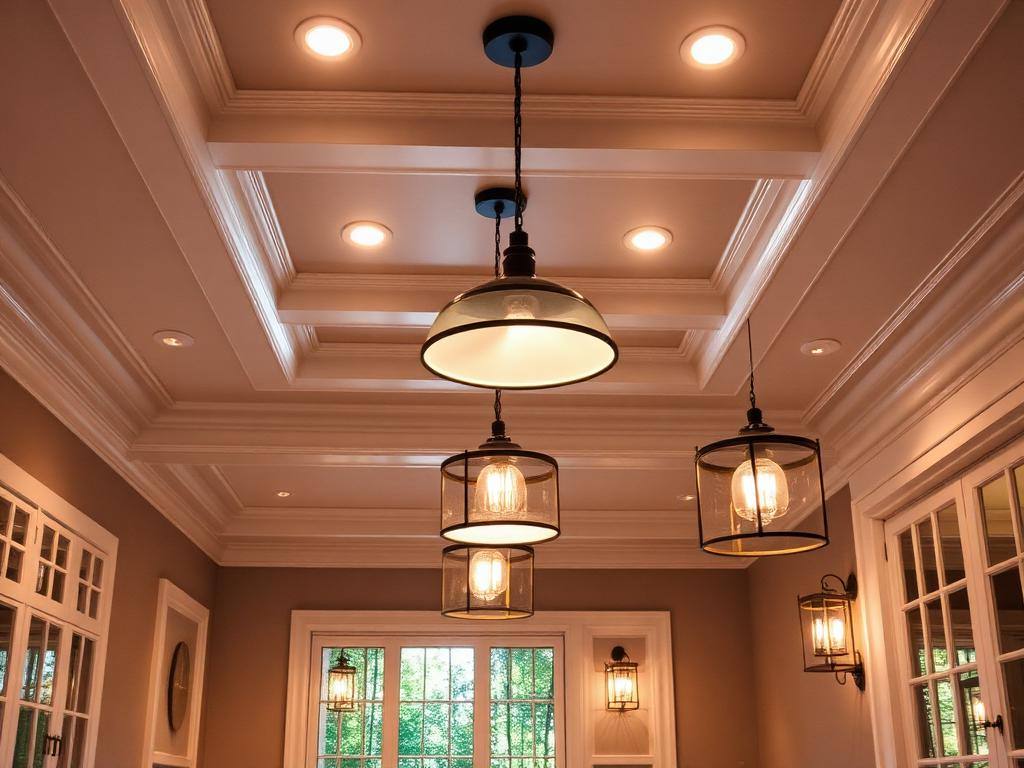
Charleston County spans more than 1,300 square miles of barrier islands, historic districts, and suburban neighborhoods. Each pocket of the county presents unique recessed lighting challenges, plaster ceilings south of Broad, salt-air corrosion on Sullivan's Island and Folly Beach, vaulted great-room ceilings in Mount Pleasant new construction, and tight remodel cavities in 1960s ranch homes across West Ashley. Our Charleston County electricians have installed recessed lighting in all of them.
Every recessed lighting installation we perform in Charleston County uses IC-rated, airtight LED housings that meet NEC 2026 requirements. We pull permits with the City of Charleston, Mount Pleasant, North Charleston, Folly Beach, Isle of Palms, Sullivan's Island, and unincorporated Charleston County, and we coordinate with the Board of Architectural Review when historic properties require visible ceiling work.
From a single can light in a Folly Beach bathroom to a 40-light whole-home retrofit on Kiawah, one Charleston County recessed lighting team handles design, wiring, dimmer programming, and cleanup in as few visits as possible.
What sets a countywide recessed-lighting contractor apart from a one-zip-code handyman is parts on the truck. Our Charleston County trucks roll with Halo, Lithonia, Cooper Eaton, and DMF housings in 4-inch and 6-inch sizes, ultra-thin canless disks for tight cavities, wet-rated and damp-rated trims for barrier-island porches, marine-grade stainless trim rings for IOP and Sullivan's, and 2700K through 4000K LED modules so a Mount Pleasant homeowner can A/B color temperatures on a sample ceiling before we commit to the full kitchen. Same for dimmers: Lutron Caseta, Diva CL, RadioRA keypads, and Leviton Decora Smart all live on the shelf so we never delay a Folly Beach or Wadmalaw install because the right dimmer is sitting at a supplier 25 miles away.
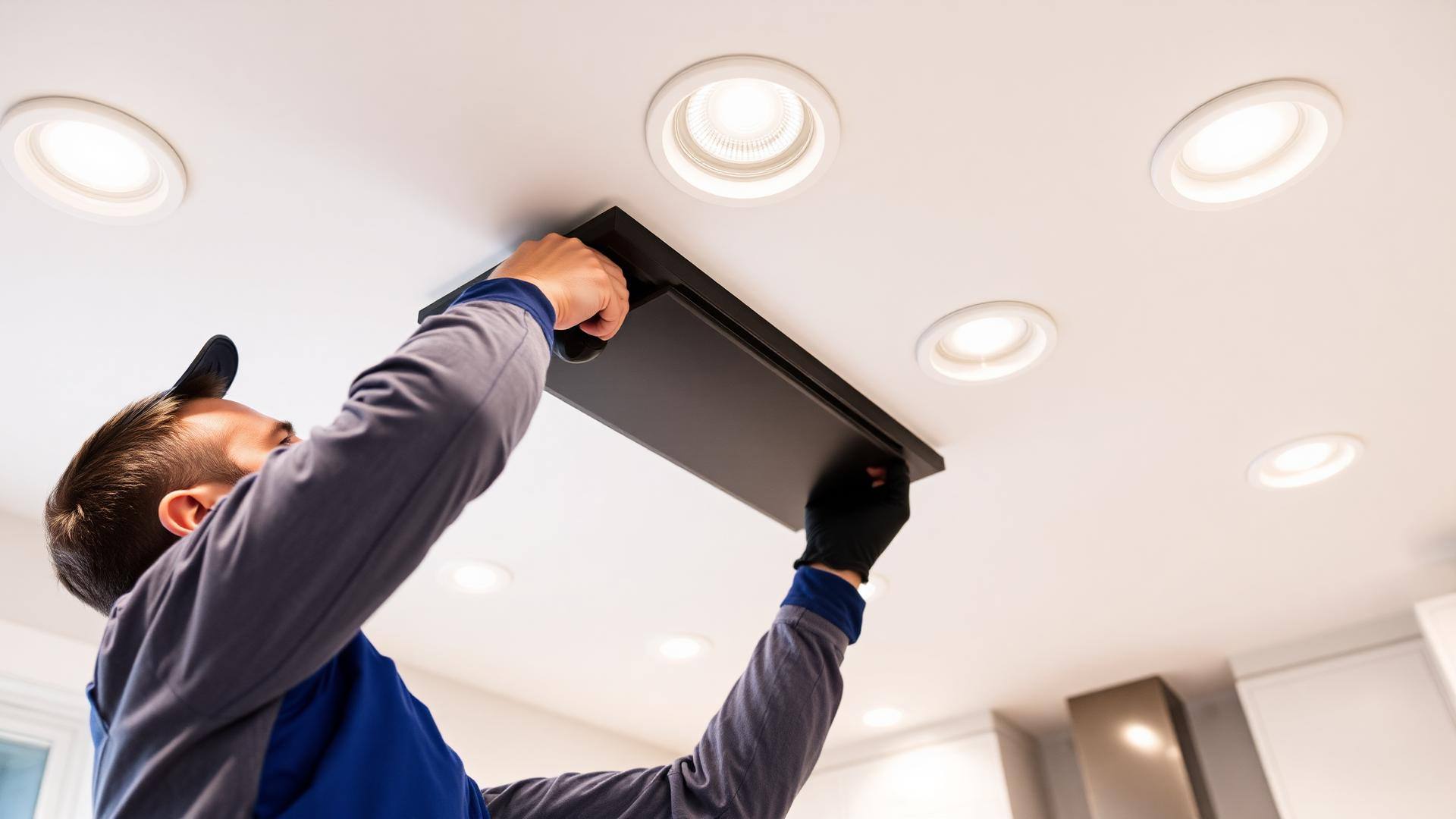
Recessed lighting installation is one of the most impactful upgrades you can make to your Charleston County home. Unlike traditional flush-mount fixtures or chandeliers, recessed lights sit flush with the ceiling, creating clean sightlines and making rooms feel larger and more open. LED recessed lights deliver even, shadow-free illumination that is perfect for kitchens, living rooms, bathrooms, and hallways.
Every recessed lighting installation we perform in Charleston County uses energy-efficient LED fixtures with IC-rated housings, airtight seals, and dimmable drivers. This means your lighting is safe, efficient, and fully adjustable from bright task lighting to soft ambient glow.
Our Charleston County electricians handle everything from a single can light addition to a full-home recessed lighting plan with multiple dimmer zones. We provide free estimates, upfront pricing, and a workmanship warranty on every installation.
We assess your Charleston County home, measure the room, and design a recessed lighting layout with proper spacing, trim selection, and dimmer zones.
We cut precise ceiling openings, install IC-rated LED housings, run wiring, and connect everything to dedicated dimmer switches.
We test every light, program dimmer settings, and walk you through the controls so you get the exact lighting experience you want.
Every room in your Charleston County home has different lighting needs. Our electricians design recessed lighting layouts tailored to how you actually use each space, ensuring the right amount of light exactly where you need it.
The kitchen is the most popular room for recessed lighting installation in Charleston County homes. We position 6-inch LED can lights over countertops, islands, and sink areas for bright, shadow-free task lighting. Most Charleston County kitchens need 4 to 8 recessed lights depending on size. We wire each zone to a separate dimmer so you can switch from bright cooking light to soft dining ambiance instantly. For kitchens with under-cabinet lighting, we coordinate both systems on a single smart switch panel.
Living rooms in Charleston County homes benefit from recessed lighting that replaces bulky ceiling fans with light kits or dated flush-mount fixtures. We install 6-inch recessed lights around the room perimeter with adjustable gimbal trims to accent artwork, bookshelves, or architectural features. Dimmable LED drivers let you set the mood for movie nights, reading, or entertaining. For living rooms with vaulted or tray ceilings, we use sloped-ceiling housings that direct light downward evenly.
Bedroom recessed lighting installation in Charleston County creates a clean, modern ceiling with no dangling fixtures. We recommend 4-inch recessed lights for bedrooms because they produce softer, more intimate illumination. Placing lights over closet areas, reading nooks, and dressers provides functional task lighting without the harshness of overhead fixtures. Every bedroom installation includes a dimmer switch so you can lower lights for winding down in the evening.
Bathrooms require special attention during recessed lighting installation. NEC 2026 requires wet-rated or damp-rated fixtures in shower and tub areas. Our Charleston County electricians install appropriate fixtures in each bathroom zone: wet-rated LED recessed lights directly over showers, damp-rated fixtures in the general bathroom area, and standard housings in adjacent closets or dressing areas. Proper bathroom recessed lighting eliminates shadows at the vanity and provides even illumination for grooming.
Hallways and entryways are often the darkest areas in Charleston County homes. Recessed lighting installation transforms these transitional spaces with evenly spaced 4-inch LED can lights that provide welcoming illumination from the moment you walk through the door. We typically space hallway recessed lights 4 to 6 feet apart, depending on ceiling height, and connect them to a dimmer or motion sensor for energy savings during overnight hours.
Charleston County's mild climate means covered porches, screened porches, and outdoor living areas get year-round use. We install wet-rated and damp-rated LED recessed lighting in soffits, covered patios, and outdoor ceilings throughout Charleston County. These fixtures are sealed against moisture and rated for temperature extremes. Outdoor recessed lighting extends your living space into the evening and enhances home security by illuminating entry points and walkways.
If your Charleston County home was built before 2010, there is a good chance it has older incandescent or halogen recessed lighting. These fixtures consume significantly more energy, generate excessive heat, and require frequent bulb replacements. Upgrading to LED recessed lighting is one of the smartest electrical investments a Charleston County homeowner can make.
LED recessed lights use 75% less electricity than incandescent equivalents. A typical 12-watt LED recessed light produces the same brightness as a 65-watt incandescent BR30 bulb. For a Charleston County home with 20 recessed lights running 5 hours per day, switching from incandescent to LED can save $150 to $250 per year on electricity alone. LED bulbs also last 25,000 to 50,000 hours compared to 1,000 to 2,000 hours for incandescent, meaning years of maintenance-free lighting.
Heat output is another critical factor, especially during Charleston County's hot summers. Incandescent recessed lights generate significant heat that radiates into the room and into the attic space above, increasing cooling costs. LED recessed lights run cool to the touch, reducing the strain on your HVAC system and lowering the risk of heat-related issues in your ceiling cavity. Our Charleston County electricians retrofit existing incandescent can lights to LED in a single visit, often without replacing the housing.
Every recessed lighting installation EmergenServe performs in Charleston County meets the National Electrical Code (NEC 2026). Code compliance is not optional. It protects your family, preserves your homeowner's insurance coverage, and ensures your home passes inspection if you ever sell or refinance.
NEC 2026 requires all recessed luminaires installed in insulated ceilings to be IC-rated (insulation contact), meaning the fixture housing is designed to be safely covered with insulation without creating a fire hazard. Additionally, fixtures in insulated ceilings must be airtight to prevent conditioned air from escaping into the attic, which wastes energy and can cause moisture problems in Charleston County's humid climate.
In wet locations such as showers and outdoor soffits, NEC 2026 mandates wet-rated fixtures with sealed housings and appropriate GFCI protection on the circuit. Our Charleston County electricians verify the rating of every fixture before installation and ensure all circuits are properly protected with the correct breaker type and wire gauge.
Hiring an unlicensed handyman for recessed lighting installation in Charleston County may save money upfront, but it often results in non-compliant work that fails inspection, voids warranties, and creates safety hazards. EmergenServe's licensed electricians guarantee code-compliant installations on every project, and we coordinate directly with local inspectors when permits are required.
Selecting the right recessed lighting involves more than picking a fixture off the shelf. Size, color temperature, trim style, and housing type all affect the final result. Our Charleston County electricians guide you through every decision.
The two most common recessed light sizes are 4-inch and 6-inch. Four-inch fixtures work best in smaller spaces like hallways, bathrooms, and closets where a more subtle light source is preferred. Six-inch fixtures are the standard for kitchens, living rooms, and bedrooms where broader, more powerful illumination is needed. Our Charleston County electricians help you choose the right size based on ceiling height, room dimensions, and your aesthetic preference.
Color temperature is measured in Kelvin (K) and determines whether your recessed lighting looks warm and cozy or bright and clinical. For most Charleston County homes, we recommend 2700K to 3000K (warm white) for living spaces and bedrooms, and 3500K to 4000K (neutral to cool white) for kitchens, bathrooms, and workspaces. We can install different color temperatures in different rooms to match the function of each space.
Recessed lighting trims are the visible portion of the fixture that sits flush with your ceiling. Baffle trims have ribbed interiors that absorb light and reduce glare, making them ideal for living areas. Smooth reflector trims maximize light output for kitchens and task areas. Adjustable gimbal trims tilt to aim light at artwork or architectural features. Our Charleston County electricians carry trim options in white, brushed nickel, oil-rubbed bronze, and black to match your home's decor.
New construction housings mount to ceiling joists before drywall is installed, providing the most secure and precise installation. Remodel (retrofit) housings are designed for existing ceilings and clip in through a cut opening, making them perfect for upgrading Charleston County homes without major construction. Our electricians determine the right housing type based on your ceiling access and project scope during the initial consultation.
We install recessed lighting throughout Charleston County and surrounding communities. Here are some of the areas we serve.
Recessed lighting installation in historic peninsula homes requires low-profile LED housings and careful coordination with the Board of Architectural Review. We specialize in upgrading lighting in plaster-ceiling rowhouses without damaging original finishes.
Open-concept great rooms and gourmet kitchens in Mount Pleasant, Park West, Belle Hall, and Daniel Island are ideal for full LED recessed lighting layouts with smart dimming zones.
Retrofit recessed lighting for established Charleston County neighborhoods, from James Island bungalows to Johns Island farmhouses and West Ashley ranch homes.
Salt-air-rated recessed lighting installation for barrier island properties. We use marine-grade trims and damp-rated housings engineered for Charleston County coastal conditions.
Based in the Charleston metro area, our electricians provide recessed lighting installation throughout the Lowcountry.
A snapshot of recent permitted recessed lighting installation projects we've delivered for Charleston County homeowners and businesses.
Wet-rated LED recessed soffit lighting on coastal beach-block elevation with sealed marine-grade housings.
OutcomeCharleston County final cleared on first visit.
Retrofitted 22 LED cans through plaster ceilings in a 1940s cottage with minimal disruption.
OutcomeTown of Mount Pleasant cleared the final the same day.
Designed a 46-fixture recessed lighting layout for a rural Charleston County home with four dimmer zones.
OutcomeOwner received commissioned scenes at hand-off.
Electrical work in Charleston County is permitted through the Charleston County Building Inspections. As the licensed contractor of record, EmergenServe files the permit, schedules the inspection, and meets the inspector on-site so the work is documented and code-compliant.
Located at 4045 Bridge View Drive. We file with the appropriate municipality (Charleston, Mount Pleasant, North Charleston, Isle of Palms, Folly Beach, Sullivan's Island, James Island, Folly Beach) or directly with the County for unincorporated addresses.
Our most recent verified Google reviews from across the greater Charleston area. Ask about local Charleston County references at your estimate.
He was very quick to react, even on a Sunday evening, and was here Monday morning with an estimate and came at 3 PM that afternoon to get my electric vehicle charger installed. Very friendly great service.
Nat Wallen
2 days ago
I first called a company that was clearly AI, that was not the case with Emergenserve. I called and talked to an actual person. He answered at 9:00pm and was at my house the next morning at 8:30am. Extremely professional, fair prices, and gets the job done! 5 star work all day long!!!! Can’t recommend enough.
Zachary Strack
1 week ago
Excellent response time and a human actually answered the phone. Ready to help me with my electrical problem they made me a same day appointment. Showed up on time and immediately went to work. The technician explained to me the problem and fixed it quickly. I highly recommend their service!
Michael DeLeon
1 week ago
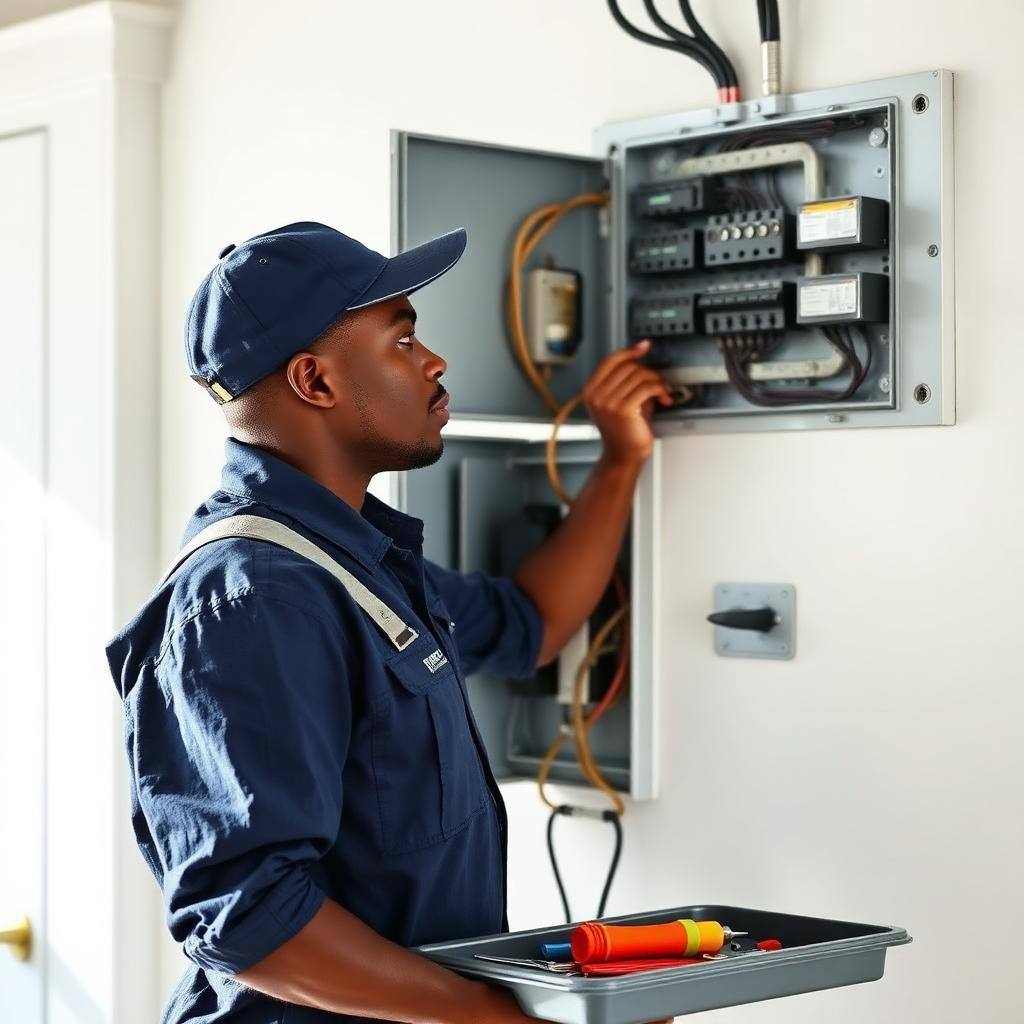
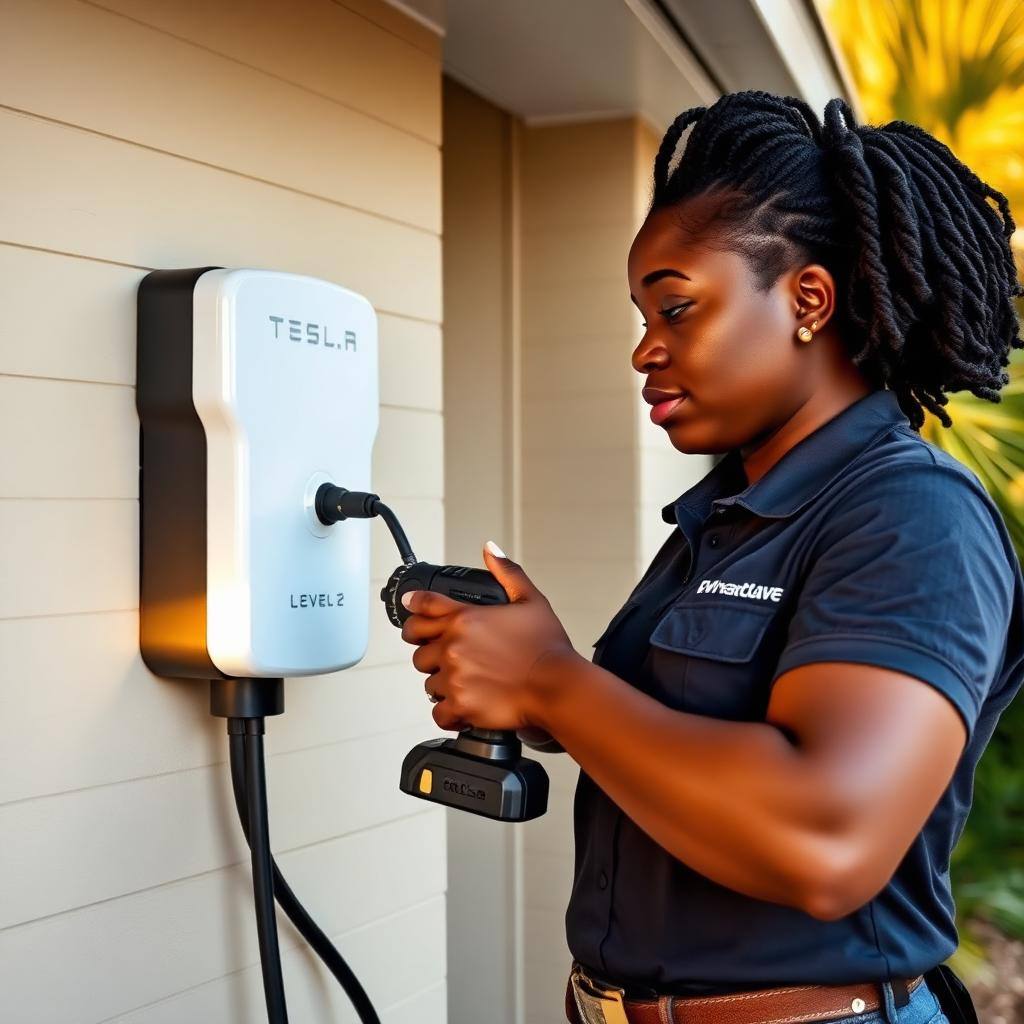
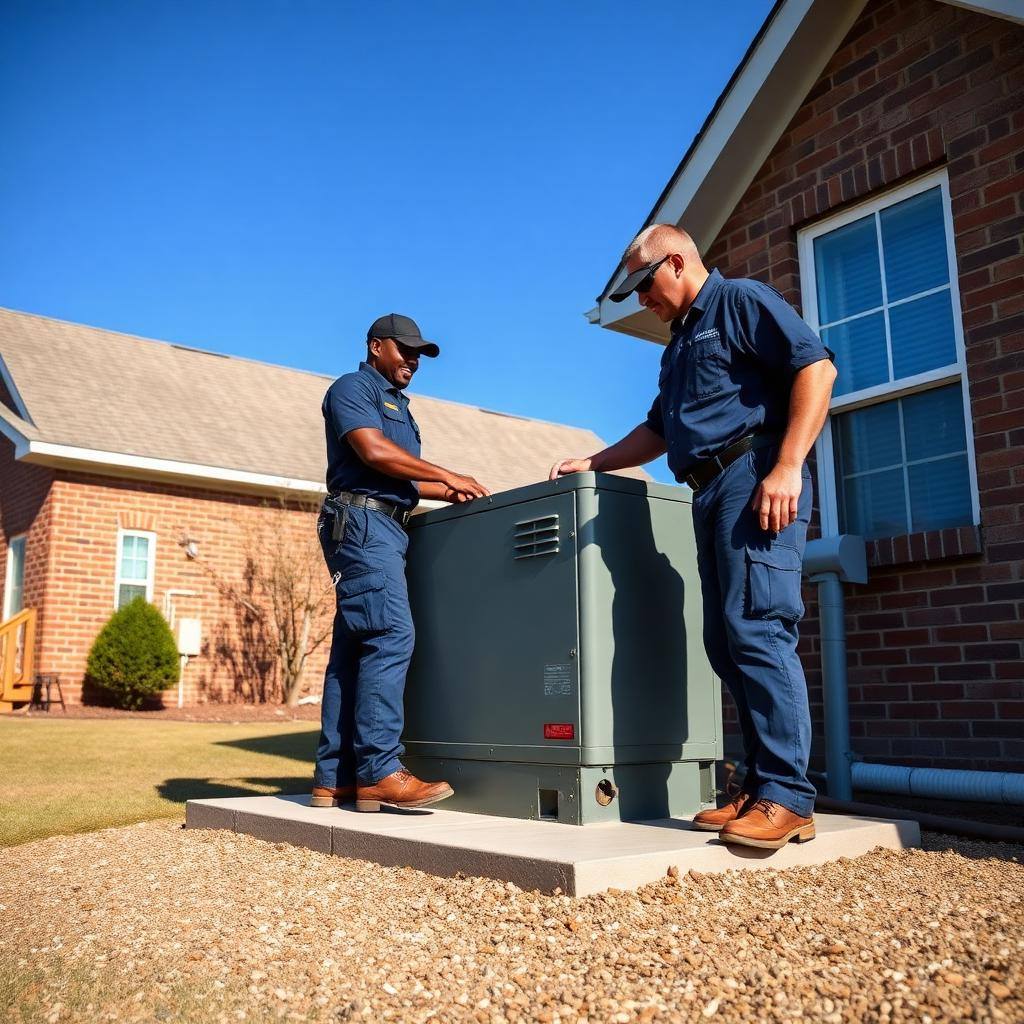
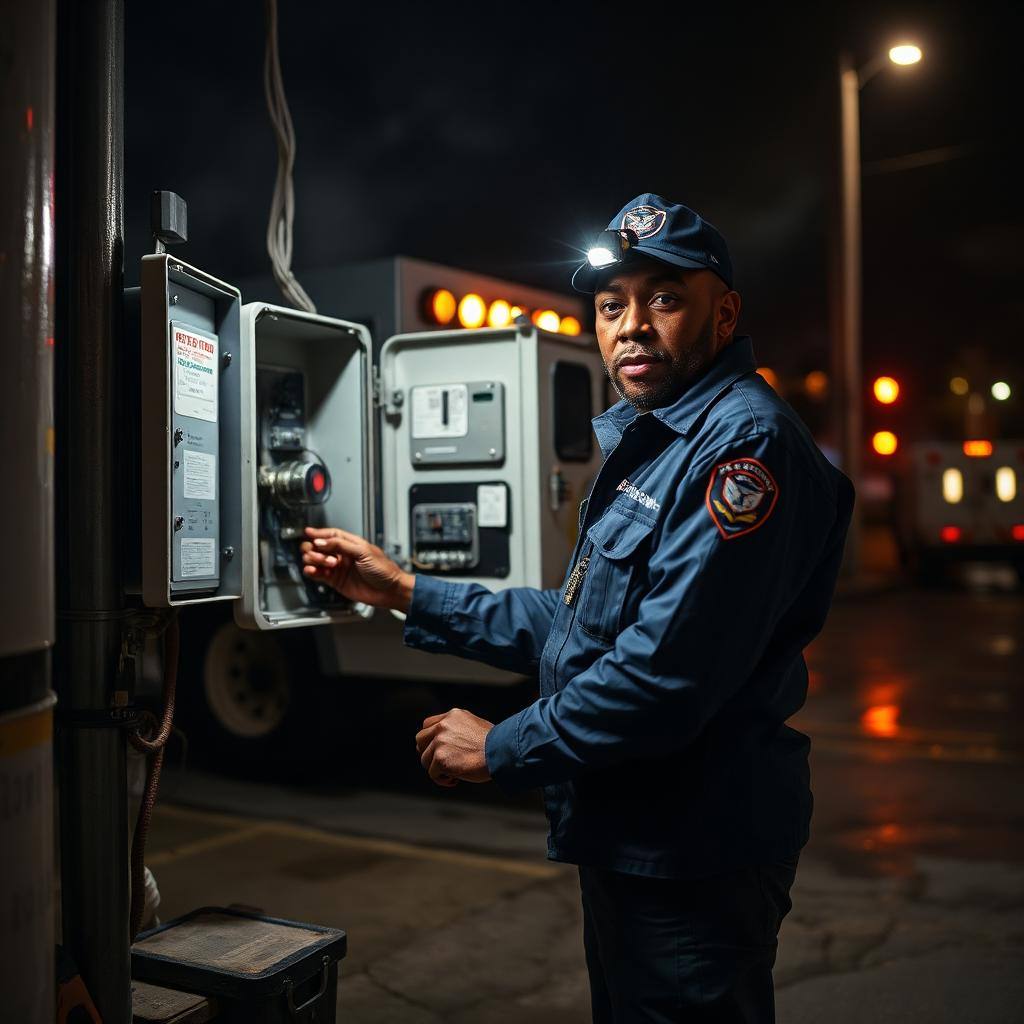
Real work from real jobs across Charleston County and the Charleston Lowcountry, from panel upgrades to storm night emergencies.
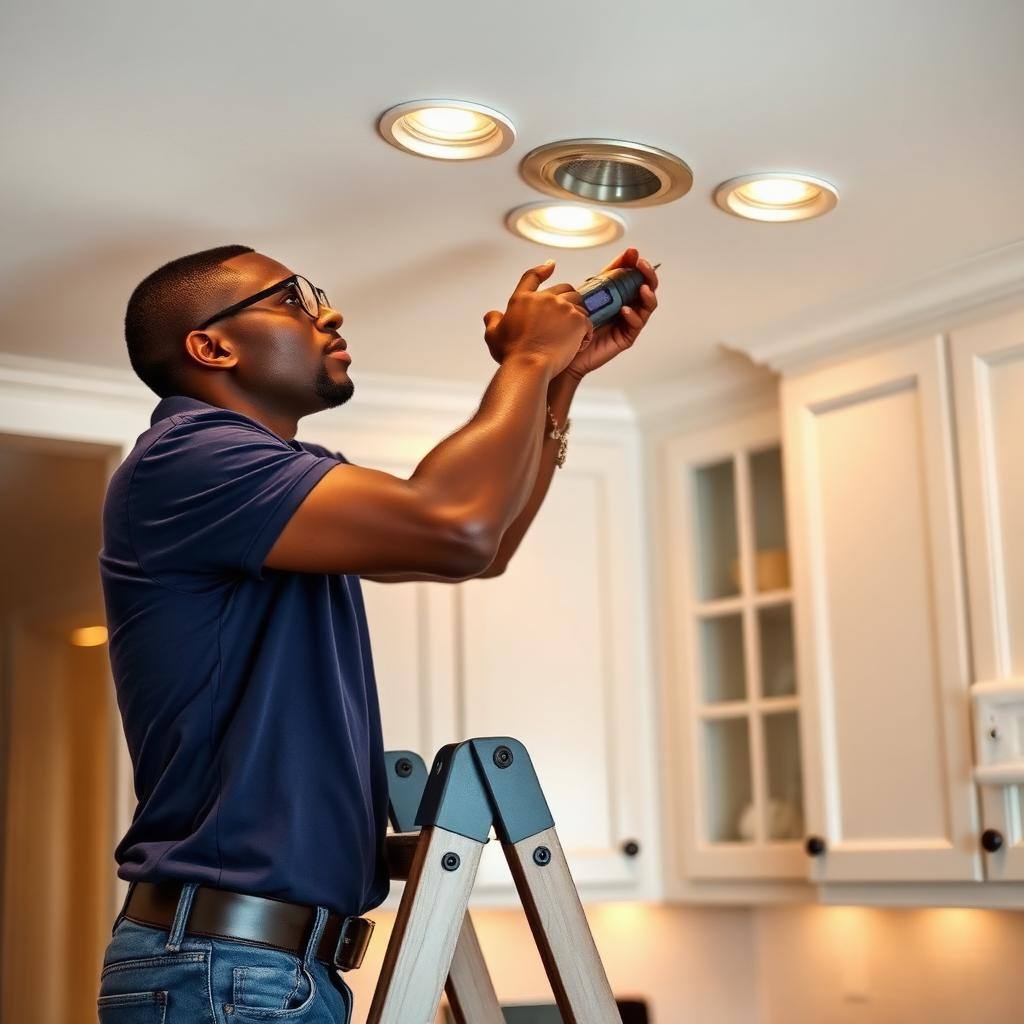

Call now for a free estimate on recessed lighting installation for your Charleston County home or business. Same-day scheduling available.
Recessed lighting installation in Charleston County typically costs $150 to $300 per light depending on ceiling type and municipality. A 6-light kitchen runs $900 to $1,800 including wiring and a dimmer switch. Call (843) 754-1671 for a free estimate anywhere in the county.
Yes. Our Charleston County recessed lighting electricians serve Charleston, North Charleston, Mount Pleasant, Folly Beach, Isle of Palms, Sullivan's Island, Kiawah, Seabrook, James Island, Johns Island, Wadmalaw, Edisto, Hollywood, Ravenel, Awendaw, and McClellanville.
Yes. Many Charleston County properties date to the 1700s and 1800s. We use slim LED housings that fit tight ceiling cavities and coordinate with BAR for any visible exterior changes on the peninsula and historic districts.
Yes. Properties on Folly Beach, IOP, Sullivan's Island, Kiawah, and Seabrook get wet-rated and damp-rated LED housings with marine-grade trims engineered to resist Charleston County coastal corrosion.
EmergenServe provides recessed lighting installation in cities throughout the greater Charleston area.
Equipment & planning guide · Charleston County, SC
Use this guide to compare options before booking. For this work, the important starting points are fixture placement, existing wiring, ceiling access, and compatibility between lamps and controls. Exact equipment selection follows an assessment of your property, the manufacturer’s instructions, and applicable local requirements.
General illumination, task lighting, and accent lighting serve different purposes. A bright ceiling fixture can still leave a kitchen work surface shadowed, while a row of downlights can create glare without making a living room comfortable. Start with how the room is used, where people sit or stand, and which surfaces need light. Beam angle, fixture spacing, mounting height, and reflected light matter as much as the number printed on the package.
Color temperature describes the appearance of the light, while color rendering affects how materials and skin tones look. Warmer light often suits relaxed spaces; neutral light may be useful for detailed work. These are preferences, not universal rules. Keep adjacent fixtures visually consistent and consider a sample before committing to an entire room. An electrician can assess the wiring and controls, while fixture selection should also account for appearance, serviceability, and the manufacturer’s placement guidance.
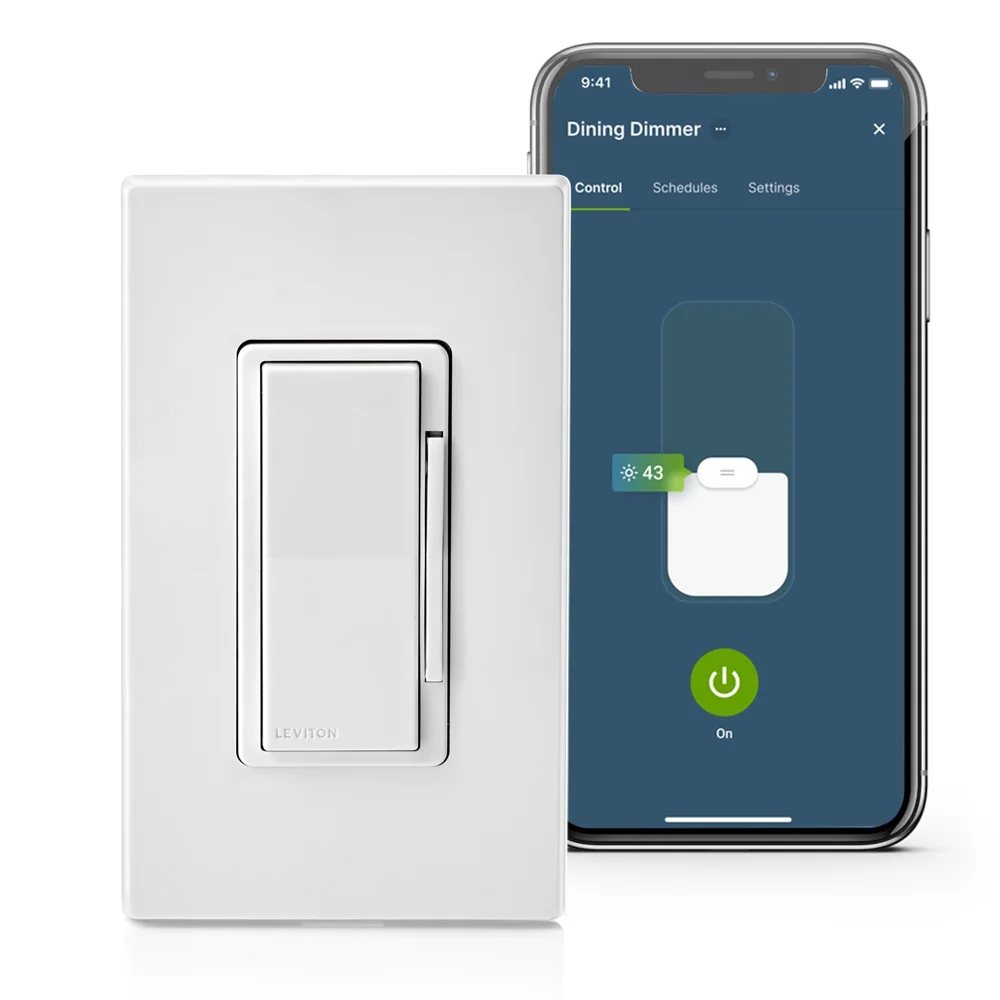
Manufacturer product photographs illustrate the equipment discussed, not completed EmergenServe installations. Models are examples; availability, specifications, and compatibility must be confirmed. Source attribution does not imply a manufacturer partnership.
A county-wide service area includes incorporated municipalities and unincorporated parcels with different administrative paths. Verify the actual property location before deciding where a permit application belongs. Coastal islands, historic districts, established inland neighborhoods, and rural properties also need different access and exposure planning. Treat those conditions as design inputs rather than applying one standard recommendation to every house or business in the county.
For this project, assess fixture placement, existing wiring, ceiling access, and compatibility between lamps and controls at the actual address. County-wide coverage does not mean every parcel uses the same permitting authority. Inspection or utility scheduling can affect completion; ask about the sequence rather than treating an estimated date as a guaranteed reconnection time.
Pricing depends on the agreed equipment, routing, access, existing conditions, and any required permits or utility work. Existing starting prices elsewhere on this page are not a quote for every configuration. Compare written scopes and confirm finish repairs, supplied materials, testing, and exclusions. No new price or manufacturer warranty is implied by the product examples in this guide.
Pick your service and a time that works for you below. Your request goes straight to our scheduling team. Prefer a full page? Open booking in a new tab.
Emergency Services Available 24/7
Recessed lighting transforms a Charleston County home like nothing else. The right number of cans, in the right pattern, on the right dimmable LED drivers, makes ceilings feel taller, kitchens feel larger, and living spaces feel finished. The wrong recessed install, too few cans, the wrong color temperature, mismatched trims, or non-dimmable drivers buzzing on a wall dimmer, is one of the most common complaints we hear from Charleston County homeowners who hired the cheapest bid.
Charleston County homes vary widely in ceiling construction, insulation type, and attic access, all of which affect how recessed lights are installed. New construction can typically use new-construction housings nailed directly to joists. Existing finished ceilings require remodel-rated cans installed through a hole saw cut, with springs that grip the back of the drywall. Insulated ceilings require IC-rated airtight housings to comply with energy code and prevent attic moisture issues common in the humid Lowcountry climate.
We size every recessed lighting plan to the room: kitchen work zones get tighter spacing for task light, living rooms get wider spacing for ambient wash, hallways get a single line of evenly spaced cans, and primary bedrooms often blend recessed cans with a center fixture for a layered look. Every fixture is matched in color temperature (typically 2700K to 3000K for residential warmth) and CRI (90+ for accurate color rendering on artwork and skin tones).
Modern LED recessed lights have moved past the buzzing, color-shifting fixtures of a decade ago, but only when the right components are paired together. We specify dimmable LED drivers from reputable manufacturers (Halo, Lutron, Lithonia, DMF) and we pair them with compatible Lutron Caséta or Diva dimmers so dimming is silent and smooth from 100% down to 1%.
Color temperature is a critical and often overlooked decision. We use 2700K in primary living spaces and bedrooms for a warm, incandescent-like feel, 3000K in kitchens for a slightly crisper task light, and 3500K to 4000K in garages and workshops where neutral-white visibility matters. Mixing color temperatures across an open floor plan looks amateur, so we plan the entire home together.
We start with a free in-home consultation: walk the rooms, listen to your goals, and sketch a layout that balances symmetry, function, and budget. We provide a written quote with fixture model numbers, can count per room, dimmer plan, and any electrical work needed (most projects can run off existing circuits, but heavily-loaded kitchens occasionally need a dedicated circuit added).
On install day, our electricians lay drop cloths over floors and furniture, mark every can location with chalk and a stud finder, then carefully cut each hole with a hole saw to minimize drywall damage. We fish wire through the attic when accessible, use fish tape and remodel boxes when not, and patch any unavoidable access holes with quick-set drywall mud. Most Charleston County projects are completed in a single day with minimal disruption.
Most living rooms in Charleston County homes look best with 6-10 cans on a 4-6 foot grid, depending on ceiling height and room size. We design the layout based on your specific room dimensions during the free consultation.
Cuts are precise and small (typically 4 or 6 inches). Any unavoidable access holes are patched with quick-set mud and primed; most homeowners cannot tell where the access was made after touch-up paint. We work hard to minimize patching in Charleston County homes.
Absolutely. LED recessed lights use 80-90% less energy, last 25,000-50,000 hours instead of 2,000, generate almost no heat (better for insulation and AC bills), and modern LEDs render color as well as halogen ever did.
recessed lighting installation Charleston County · LED can lights Charleston County SC · kitchen recessed lighting Charleston County · dimmable LED installation Charleston County · recessed lighting electrician Charleston County · Lutron dimmer installation Charleston County · IC airtight recessed cans Charleston County · Charleston County lighting design · Lowcountry recessed lighting · Charleston County recessed lighting installer
Charleston County is the historic heart of the Lowcountry and the most electrically demanding county we service. The peninsula, West Ashley, James Island, Johns Island, Wadmalaw, Kiawah, Seabrook, Folly Beach, Isle of Palms, Sullivan's Island, Mount Pleasant, and North Charleston are all Charleston County. That covers 250-year-old historic-district singles, barrier-island beach cottages, master-planned suburbs, working farms, and heavy industrial. No two zip codes in this county require the same truck loadout.
1750 through 1930 Charleston singles and double-houses. Knob-and-tube still live in a subset of these homes. BAR review on any exterior scope. Conduit-only wiring methods required inside the historic overlay.
1940s through today. Everything from post-war ranches on Federal Pacific panels to 2020s custom builds on 400-amp services. Aluminum SE cable is common in the 1970s and 80s builds. Panel replacements, service upgrades, and EV/generator adds are the dominant residential scope.
Salt-air environment, corrosion-driven maintenance cycle, and code-heavy pool and dock work. Meter bases and outdoor receptacles fail 30 to 50% faster than inland equivalents. Storm-drop repairs are a constant during hurricane season.
Working farms, rural homesteads, well-and-septic properties, and specialty three-phase agricultural circuits. Long co-op runs and older equipment dominate.
Charleston County has more permit jurisdictions than any other county we service: City of Charleston, City of North Charleston, Town of Mount Pleasant, Town of Sullivan's Island, City of Isle of Palms, City of Folly Beach, Town of Kiawah Island, Town of Seabrook Island, plus unincorporated Charleston County itself. We verify the correct jurisdiction on every parcel before quoting.
Almost all of Charleston County is served by Dominion Energy. We coordinate disconnect and reconnect directly and are familiar with their service planning group for new-construction and heavy-up work.
Charleston County takes the most severe hurricane exposure of any tri-county. Every named storm produces service-drop damage, tree-strike outages, and post-storm meter base and mast replacements. We run 24/7 continuous during and after storms.
Multiple municipalities within Charleston County have historic-district overlays and architectural review boards. We know the ARC and BAR review processes for the City of Charleston, Sullivan's Island, and Mount Pleasant Old Village.
Coordinated BAR review for a new rear-elevation meter base, replaced a 1948 60-amp fuse panel with a 200-amp Square D QO, and coordinated Dominion disconnect and reconnect.
Replaced a salt-corroded meter base and mast, then installed a 26 kW Generac Guardian on an elevated pad. Same-week install ahead of hurricane season.
Same-day Federal Pacific to Square D QO 200-amp swap with new meter base, coordinated Dominion disconnect and reconnect.
Full service upgrade, ground-rod and intersystem bonding retrofit, submersible well pump replacement, and dedicated septic control panel. Permitted with Charleston County.
"He was very quick to react, even on a Sunday evening, and was here Monday morning with an estimate and came at 3 PM that afternoon to get my electric vehicle charger installed. Very friendly great service."
"I first called a company that was clearly AI, that was not the case with Emergenserve. I called and talked to an actual person. He answered at 9:00pm and was at my house the next morning at 8:30am. Extremely professional, fair prices, and gets the job done! 5 star work all day long!!!! Can’t recommend enough."
"Excellent response time and a human actually answered the phone. Ready to help me with my electrical problem they made me a same day appointment. Showed up on time and immediately went to work. The technician explained to me the problem and fixed it quickly. I highly recommend their service!"
Charleston County spans 45 miles from our North Charleston yard to Edisto approach. Peninsula, West Ashley, and Mount Pleasant calls are 15 to 30 minutes. James Island and Folly Beach are 25 to 45. Barrier-island calls run 30 to 60 depending on bridge traffic. During hurricane season we stage trucks on both the peninsula and Mount Pleasant overnight.
It depends on the parcel. Homes inside incorporated city or town limits are permitted through that municipality's building department. Homes with a Charleston mailing address but outside city limits are permitted through Charleston County Building Services at Lonnie Hamilton Public Services Building on Leeds Avenue. We verify on the county GIS before quoting.
Yes. We run 24/7 continuous during and after named storms, prioritizing service-drop damage, panel replacements after tree strike, and Dominion coordination for reconnect. Barrier-island response depends on whether the bridges are passable.
Yes. We regularly prepare and submit historic-district drawings and screening plans for the City of Charleston BAR, the Town of Mount Pleasant Historic District (Old Village), the Town of Sullivan's Island, and multiple ARC boards on Daniel Island and Kiawah.
Yes. 480V three-phase panel installs, machine drops, motor controls, and process power circuits are a routine part of our commercial and industrial work, particularly in the North Charleston airport and Boeing corridors.
For a standard exterior meter/main configuration with Dominion coordination, most Charleston County 200-amp service upgrades run $3,500 to $5,500 depending on permit jurisdiction, historic-district review, and grounding/bonding work required. Federal Pacific or Zinsco replacements inside the home add $600 to $1,200.
Explore the other services our Charleston electricians deliver across the Lowcountry.
24/7 emergency electrician in Charleston SC for power outages, sparks, and burning smells, on-site same day.
Residential electrician services covering whole-home wiring, repairs, and safety upgrades for Charleston homes.
Whole-house standby generator installation with Generac and Kohler systems, permitted for Lowcountry hurricane season.
Electrical panel upgrades to 200 amp service and safe replacement of Federal Pacific and Zinsco panels to code.
Level 2 EV charger installation for Tesla, Ford, Rivian, and every major electric vehicle in Charleston SC.
Ceiling fan installation and replacement with fan-rated box reinforcement for indoor rooms and Charleston porches.
Lighting installation and design for recessed, pendant, landscape, and exterior fixtures across kitchens, baths, and yards.
Contact a licensed Charleston electrical contractor for a free estimate and same-day scheduling across the Lowcountry.
SC Commercial Contractor License #M118613. Active general liability and workers' comp coverage. COI sent to your GC, HOA, or closing attorney the same day you ask.
Google Screened and BBB Accredited with 33 real Google reviews from Charleston, Mount Pleasant, Summerville, and across the Lowcountry.
Every job is priced before we lift a tool. No clock running, no surprise add-ons, no guessing what the bill will look like when we're done.
If something isn't right, we come back and fix it. Workmanship stands behind every breaker, outlet, fixture, and panel we install.

Licensed Charleston electrical contractor. 24/7 emergency service across the Lowcountry.